01 / Access is already form / 进入本身已经是形式
Before a camera records anything, production has decided who may enter, who is invited, which distance can be crossed and how trust is negotiated. These decisions shape the field of possible images. Access is therefore not a logistical precondition outside the work; it is the first curatorial cut through reality.
在镜头开始记录之前,制片已经决定谁可以进入、谁被邀请、哪些距离能够被跨越,以及信任如何协商。这些决定塑造可能出现的图像范围。因此,进入并非作品之外的后勤前提,而是对现实进行的第一次策展切割。
02 / Time is distributed unequally / 时间被不均等地分配
Schedules appear administrative, yet they decide whose labour waits, whose domestic rhythms are interrupted and which encounter receives enough duration to become more than extraction. A production ethics begins by making these asymmetries visible. Protecting another person's time can be as formally consequential as choosing a lens.
日程看似行政事务,却决定谁的劳动需要等待、谁的日常节奏被打断,以及哪次相遇能够获得足够时长而不沦为提取。制片伦理首先需要让这些不对称变得可见。保护他人的时间,与选择镜头一样可能对形式产生决定性影响。
03 / Sound decides what counts as evidence / 声音决定何者成为证据
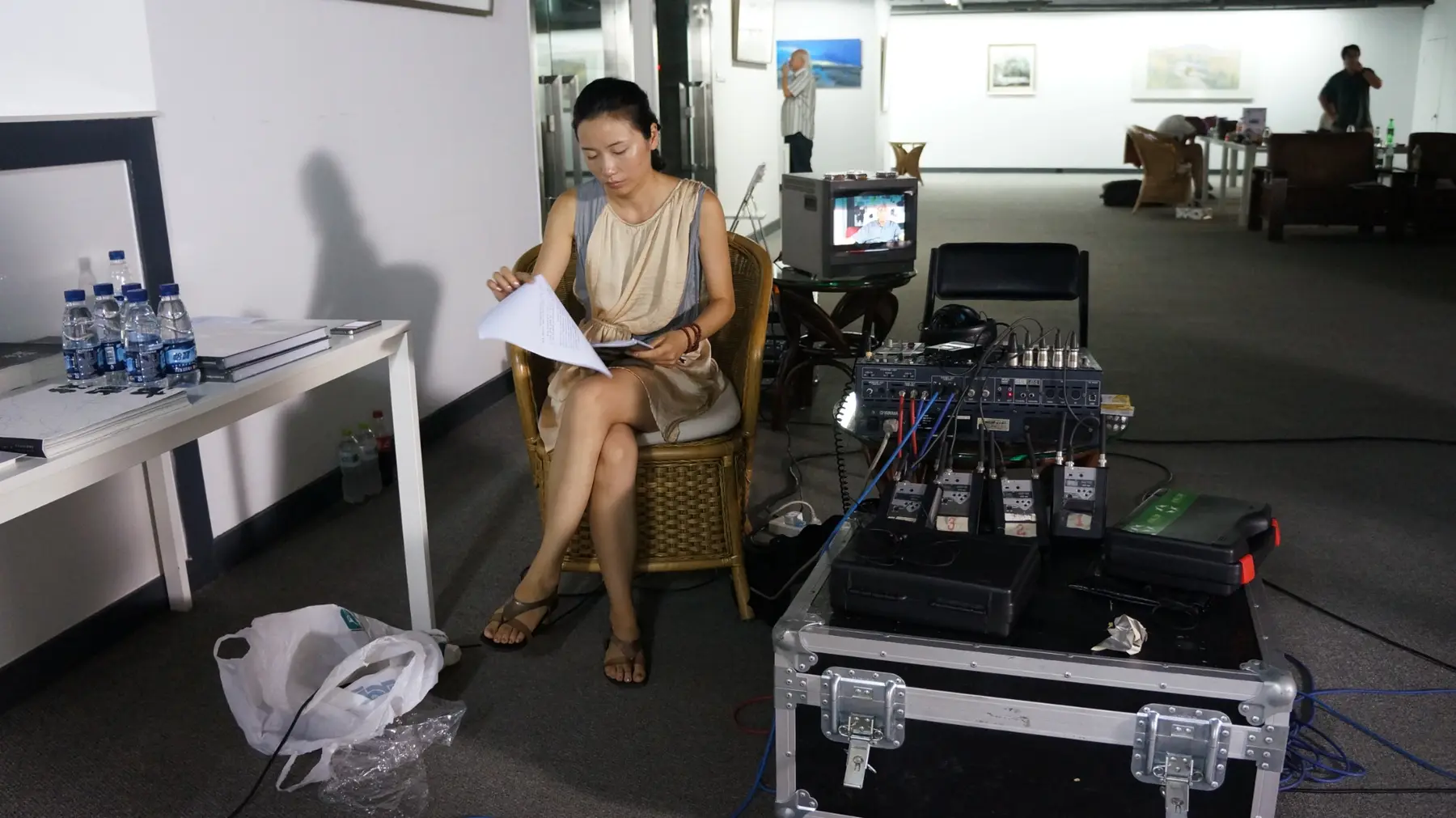
Microphone position, room tone, interruption and post-production determine which voice appears clear, intimate or authoritative. Sound is not a transparent carrier of testimony. It constructs audibility, and with it a hierarchy of presence. Production becomes curatorial when it treats that hierarchy as an ethical and aesthetic decision.
麦克风位置、空间底噪、打断与后期处理决定哪种声音显得清晰、亲密或权威。声音并不是证言的透明载体,它建构可听性,并由此建构在场的等级。当制片把这一等级视为伦理与审美决定时,它便获得策展性。
04 / Care is an infrastructure, not a mood / 照料是基础设施,而非情绪
Transport, food, safety, translation, rest and follow-up make an encounter possible. Calling these tasks care does not sentimentalise them; it recognises their material and political force. A work that depends on invisible labour while erasing it reproduces the very hierarchy its public language may claim to question.
交通、饮食、安全、翻译、休息与后续联系共同使相遇成为可能。把这些任务称为照料,并非将其情绪化,而是承认其物质与政治力量。若作品依赖隐形劳动却将其抹去,就会复制其公共语言声称要质疑的等级。
05 / A concrete production history / 一段具体的制片史
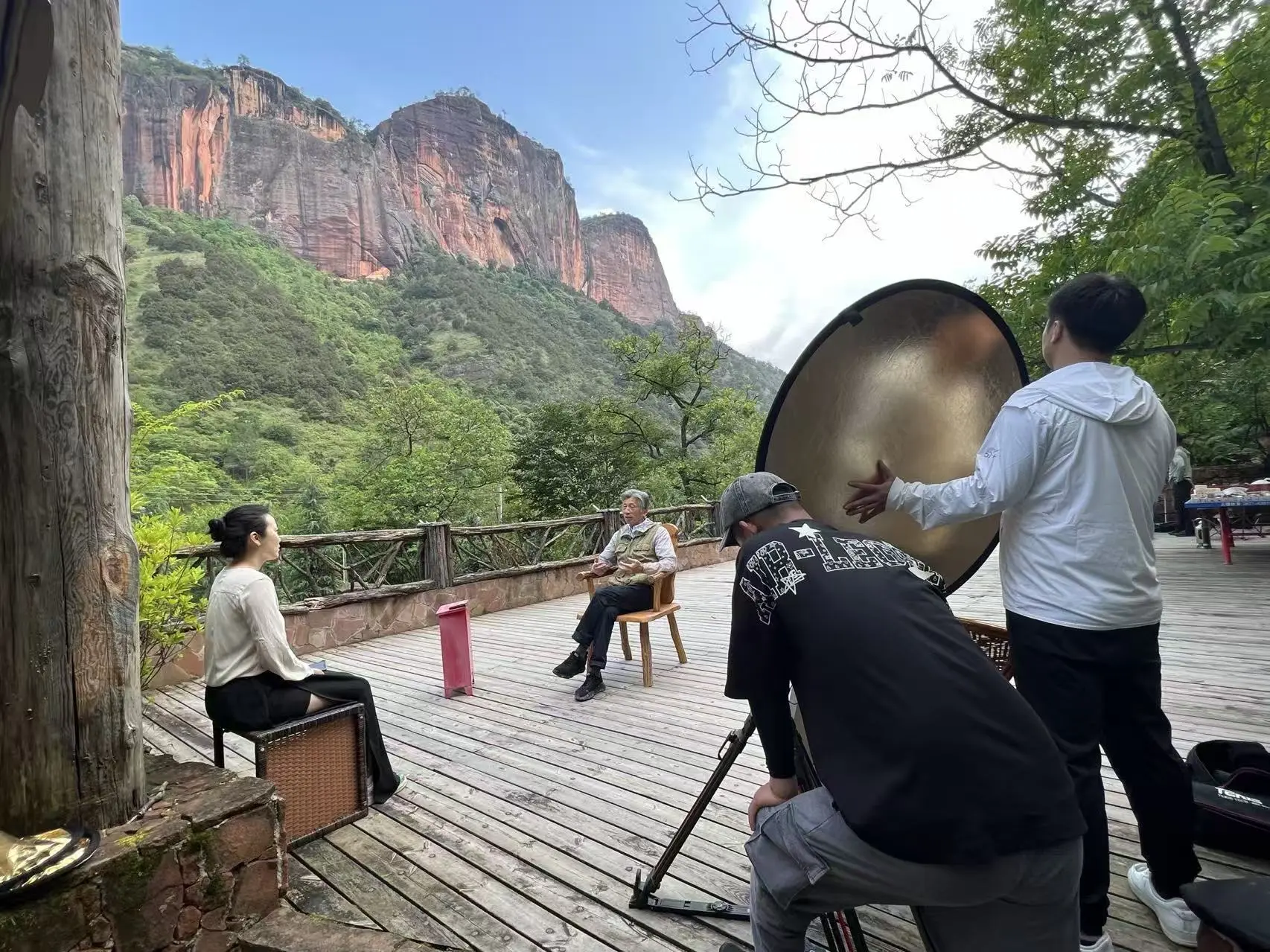
In The Diachronic House in the Future, Wu Qian worked as Co-Executive Producer across a documentary project concerned with inherited architecture, contemporary dwelling and rural transformation. That experience continues to inform how we approach production: not as support added after an idea, but as the place where access, duration, responsibility and form are negotiated together.
在《未来的老房子》中,吴倩以联合总制片人的身份参与这项围绕传统建筑、当代居住与乡村变迁展开的纪录片计划。这段经验延续至我们今天的制作方式:制片不是在观念之后附加的支持,而是进入、时长、责任与形式被共同协商的地方。