Activities

04 / WU—LIAO

Eight project dossiers bring together conversations, films, fieldwork, exhibitions, workshops, performance, installation and production.

八个项目档案连接对话、影片、田野、展览、工作坊、表演、装置与制片。

We read each project through its images, working methods and the questions it continues to leave open.

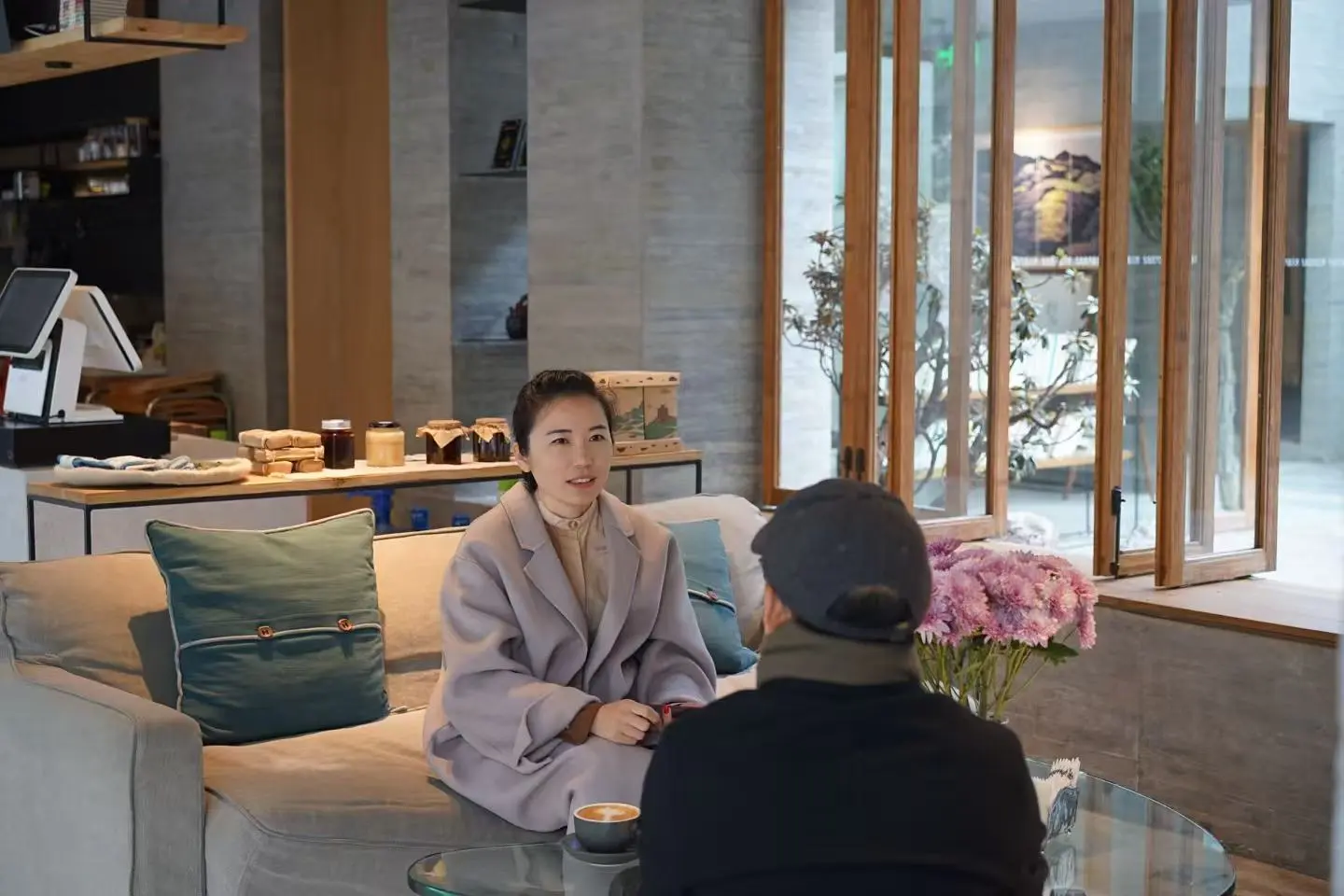
2024—Moving-image research platform

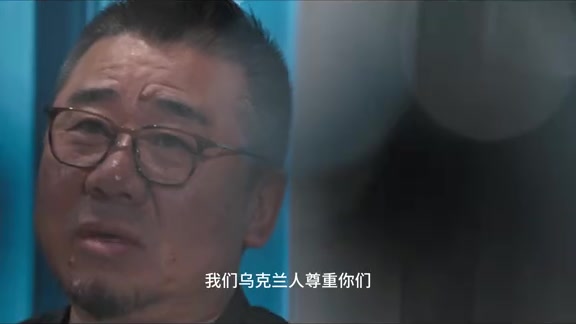
WU—LIAO: Conversation as Public Knowledge

无不吴聊:对话作为公共知识

Interview, montage and circulation are organised as one continuing artistic-research method.
WU—LIAO: Conversation as Public Knowledge — practice dossier
2018Documentary series

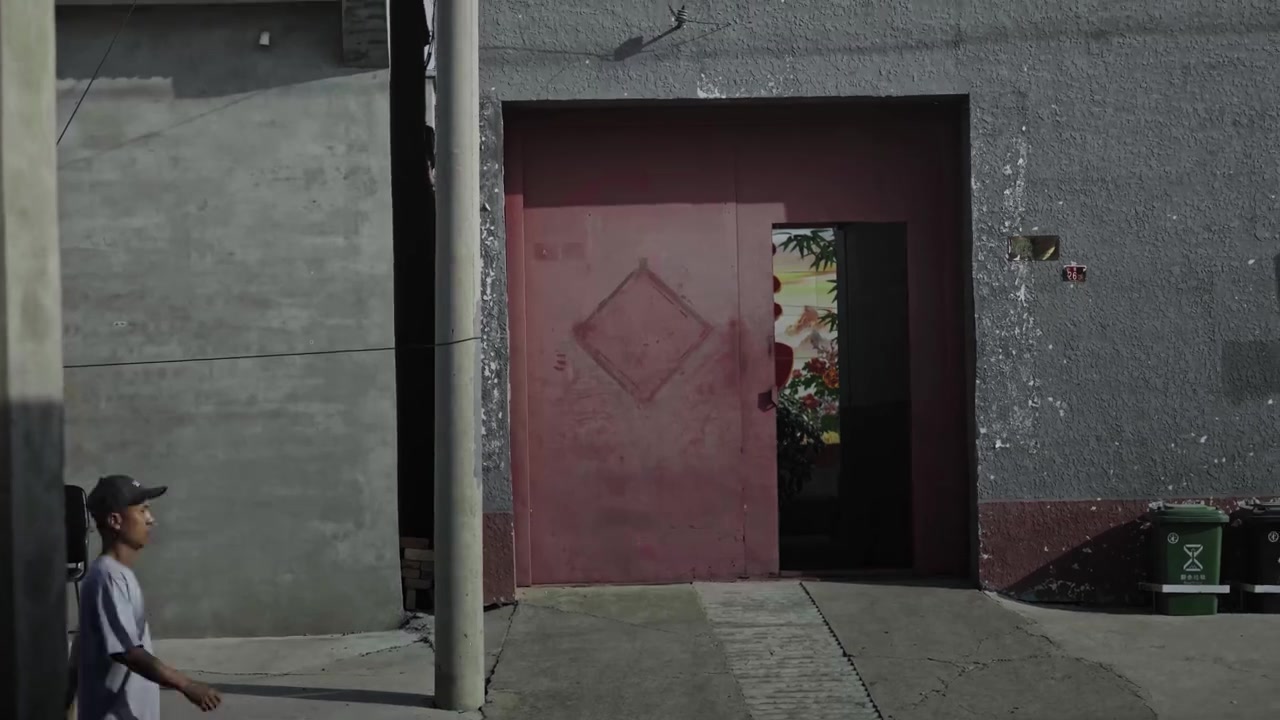
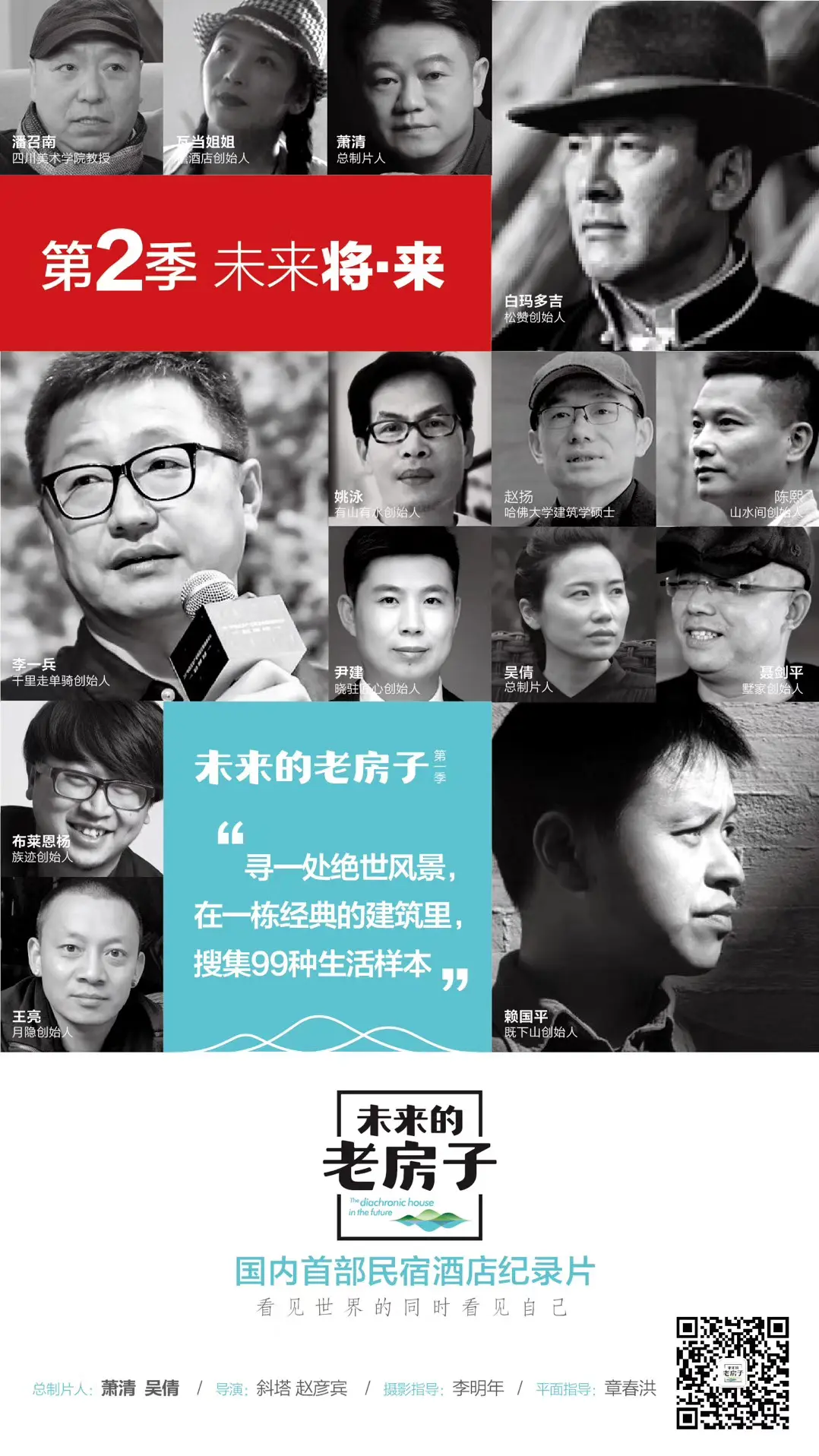
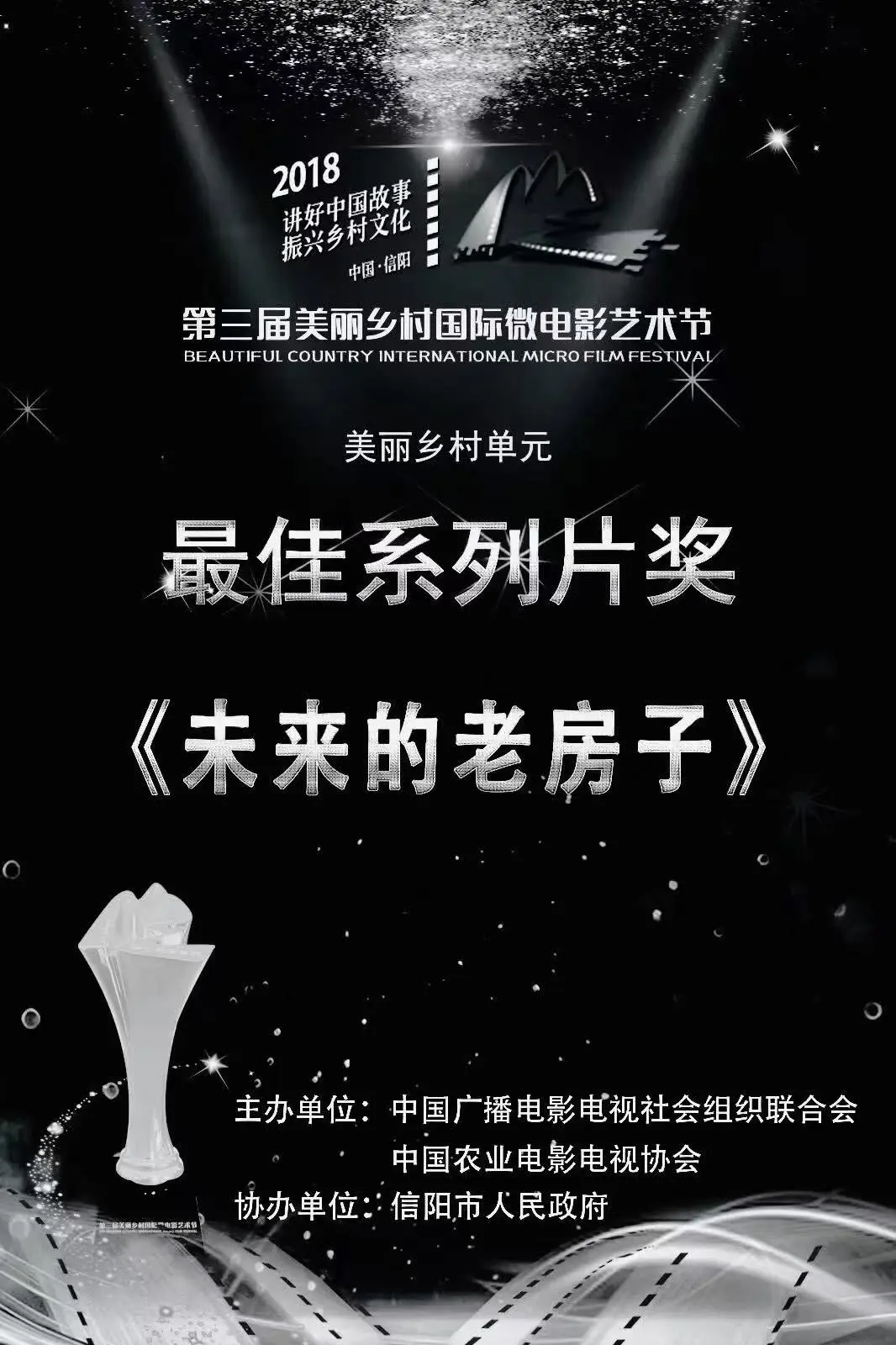
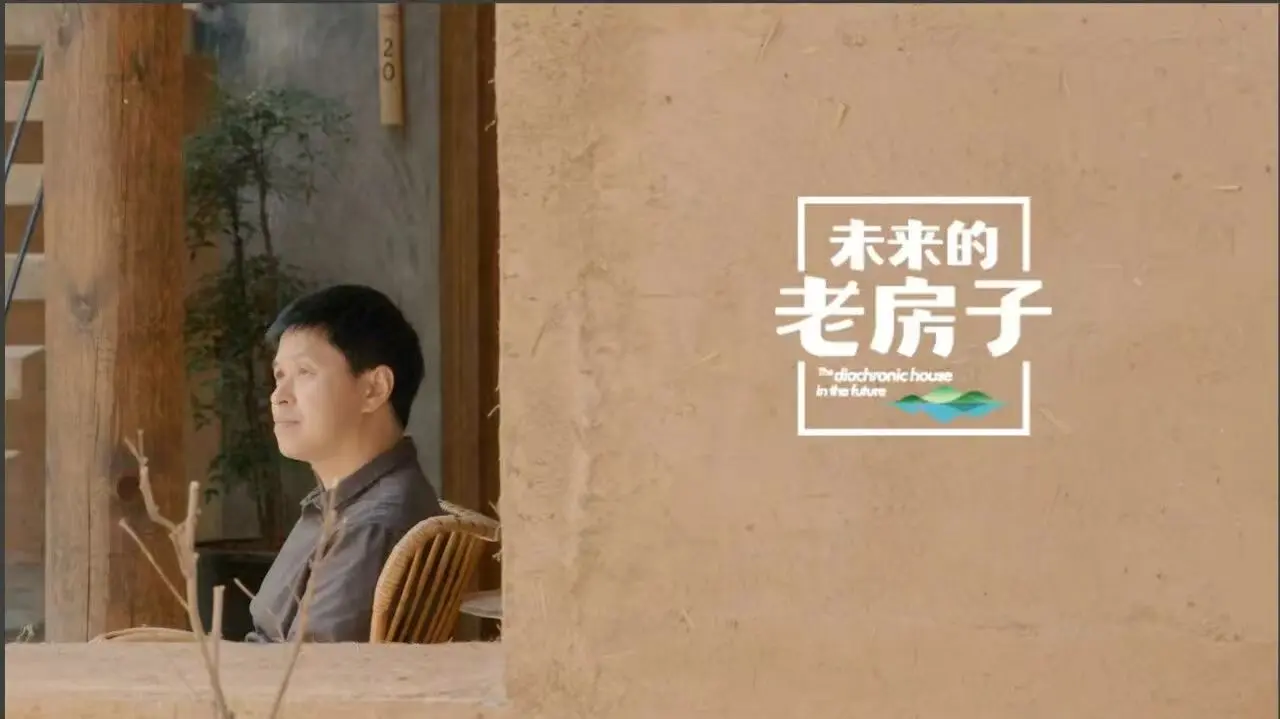
The Diachronic House in the Future

未来的老房子

A documentary project on inherited architecture, contemporary dwelling and rural transformation.
The Diachronic House in the Future — practice dossier
OngoingField / moving locations

Situated Conversations

在地对话

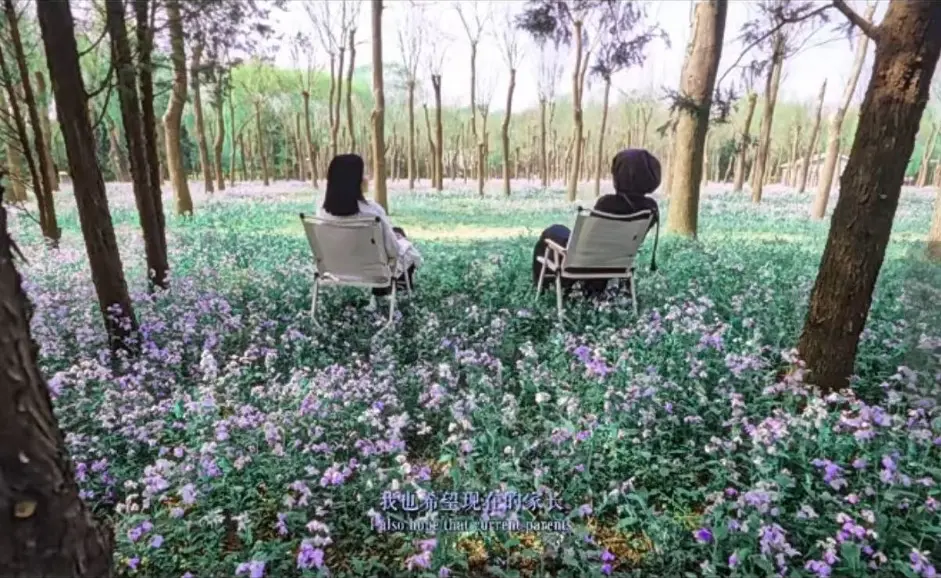
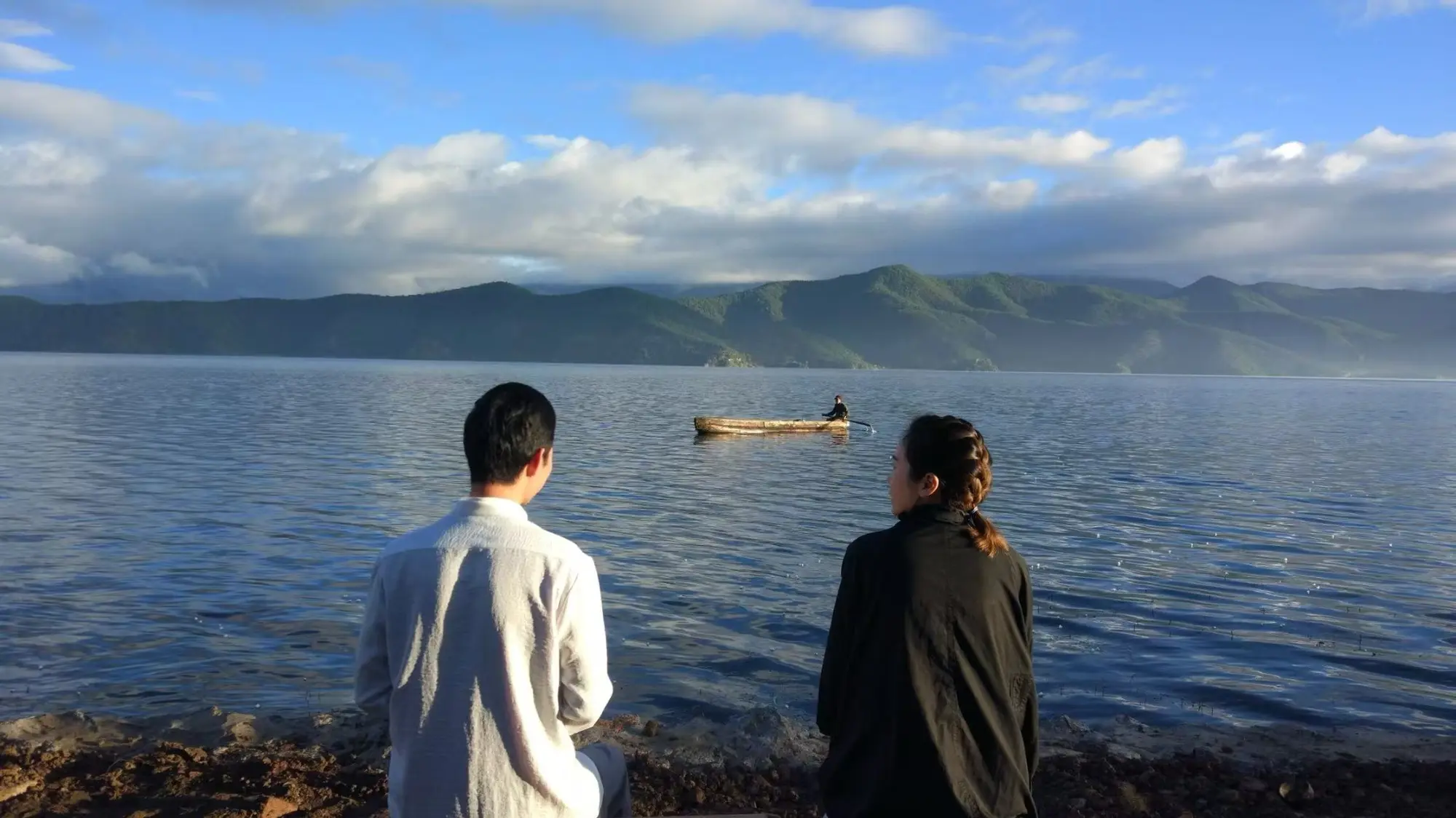
Landscape, memory and local knowledge enter the argument through embodied encounters.
Situated Conversations — practice dossier
ArchiveExhibition research

Exhibition as Dialogical Assembly

展览作为对话性组装

How artworks, people and spatial relations assemble a public situation.
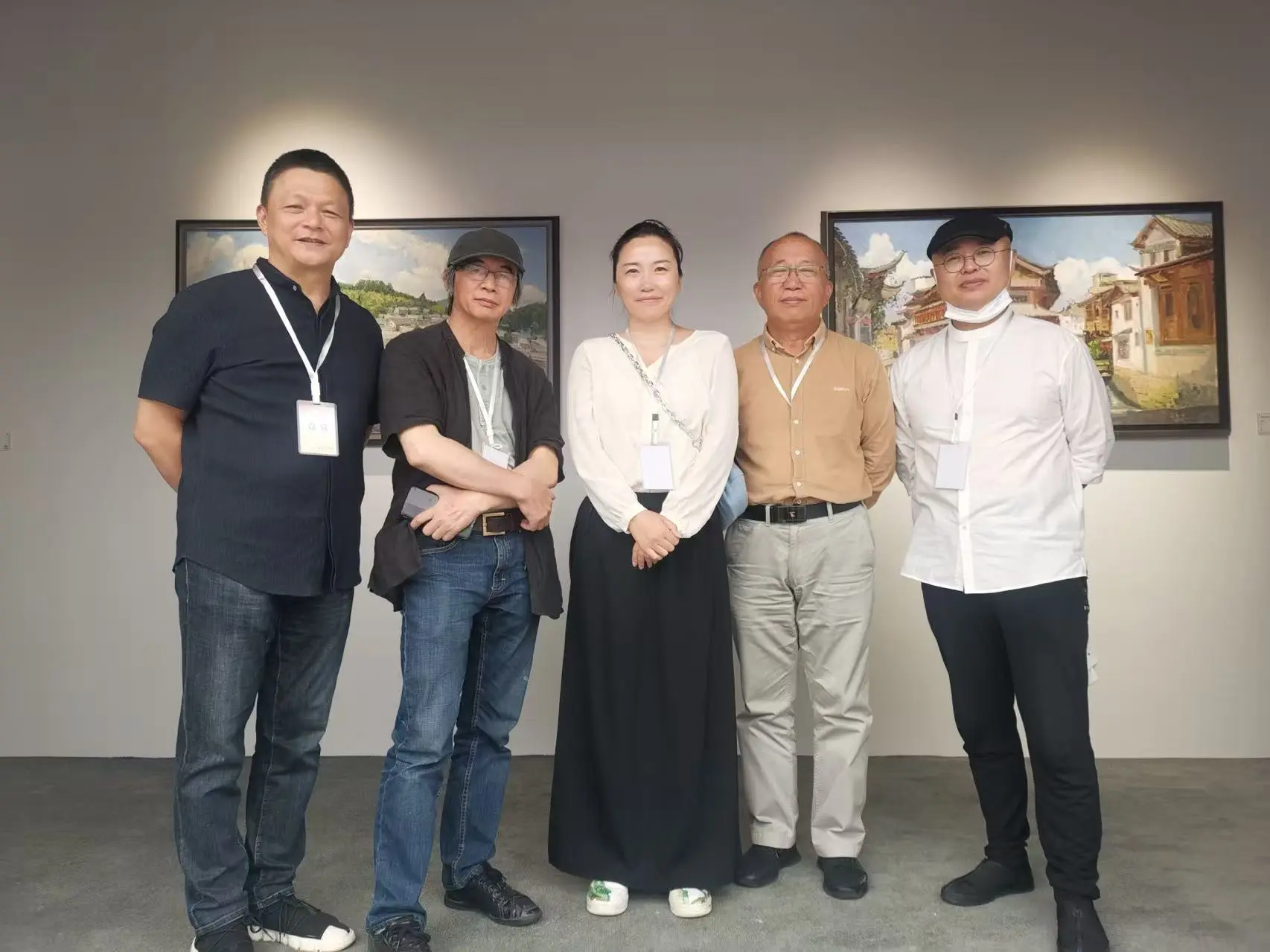
Exhibition as Dialogical Assembly — practice dossier
ArchiveParticipatory practice

Public Programme and Workshop

公共项目与工作坊

Participation is approached as a negotiated structure rather than an audience number.
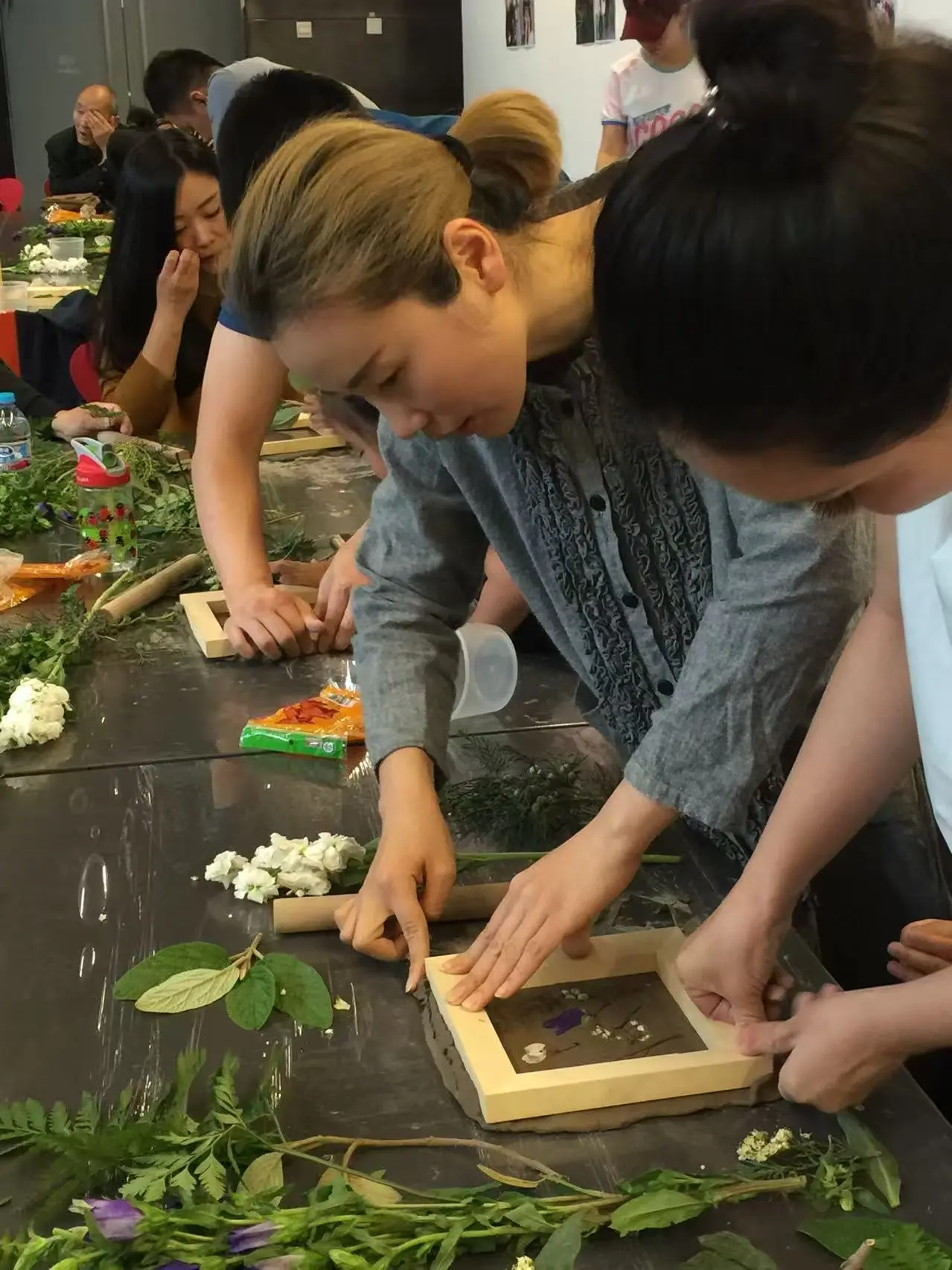
Public Programme and Workshop — practice dossier
ArchiveLive practice

Performance and Voice

表演与声音

Live voice, reading and embodied presence form an early cross-media layer of the practice.
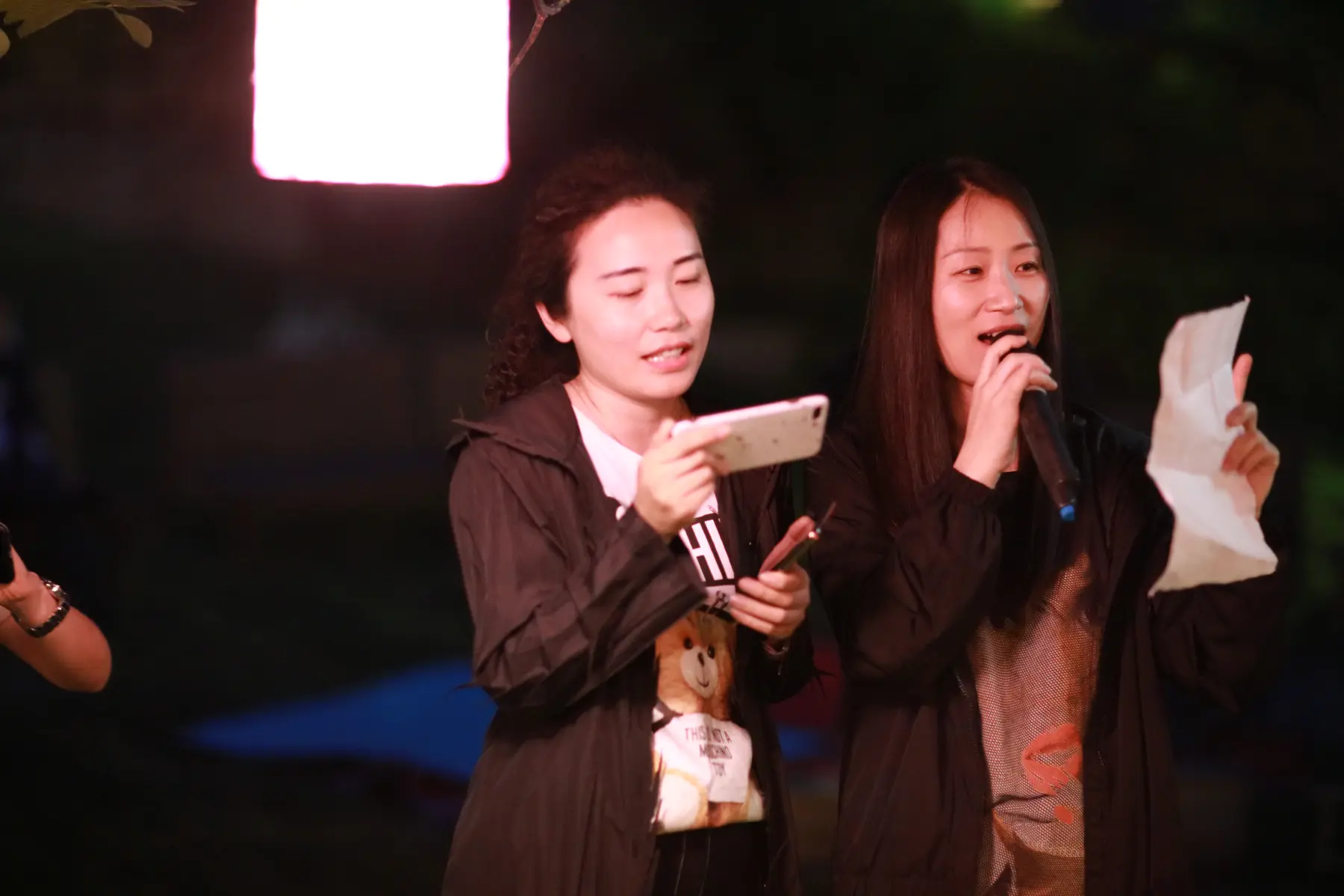
Performance and Voice — practice dossier
ArchiveSpatial research cluster

Installation and Plant Studies

装置与植物研究

A provisional cluster examining living matter, constructed environments and spectatorship.
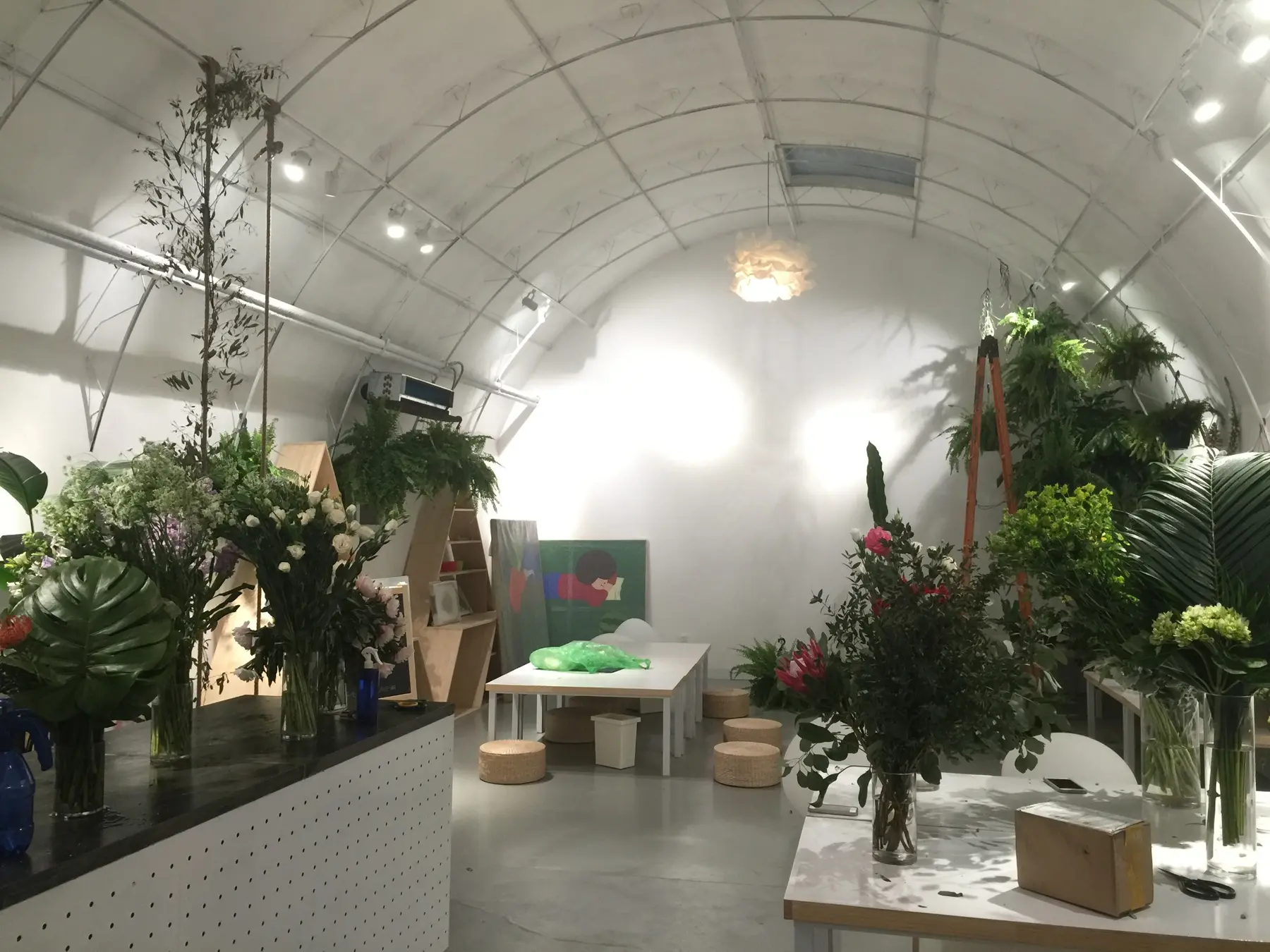
Installation and Plant Studies — practice dossier
OngoingFilm / sound / coordination

Production as Curatorial Practice

制片作为策展实践

Production decisions are treated as conceptual and relational decisions, not invisible logistics.
Production as Curatorial Practice — practice dossier
PROJECT DOSSIERS / 项目档案

Context is part of the work.

Images appear in sequence because one frame rarely carries a whole project. Rooms, gestures, equipment and people make sense through their relation to one another.

图像以序列出现,因为单张画面很少能够承载一个完整项目。空间、动作、设备与人物,需要在彼此关系中被阅读。

01

WU—LIAO: Conversation as Public Knowledge

无不吴聊:对话作为公共知识

2024—ongoing
PROJECT / 项目

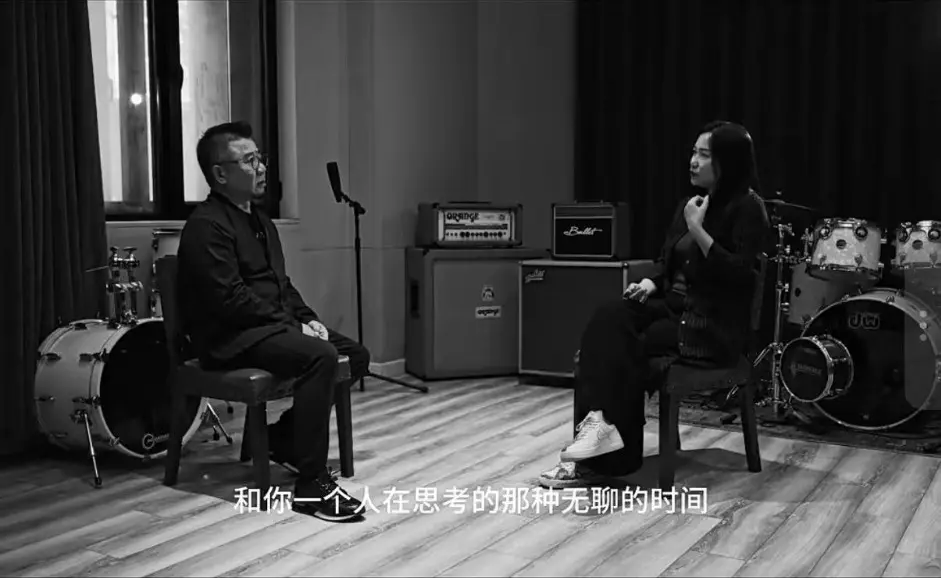
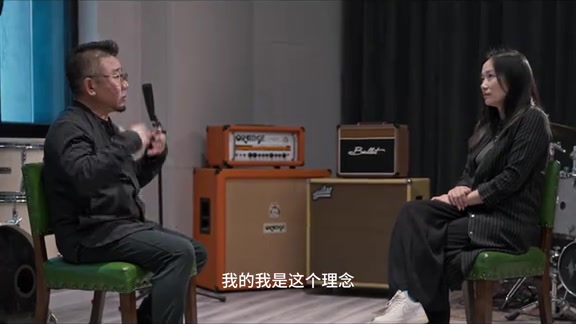
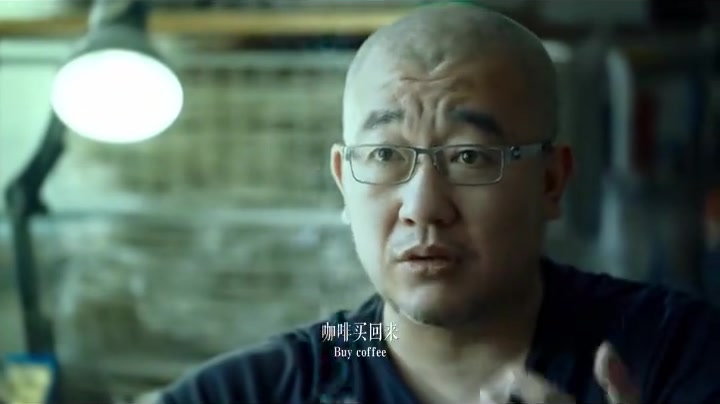
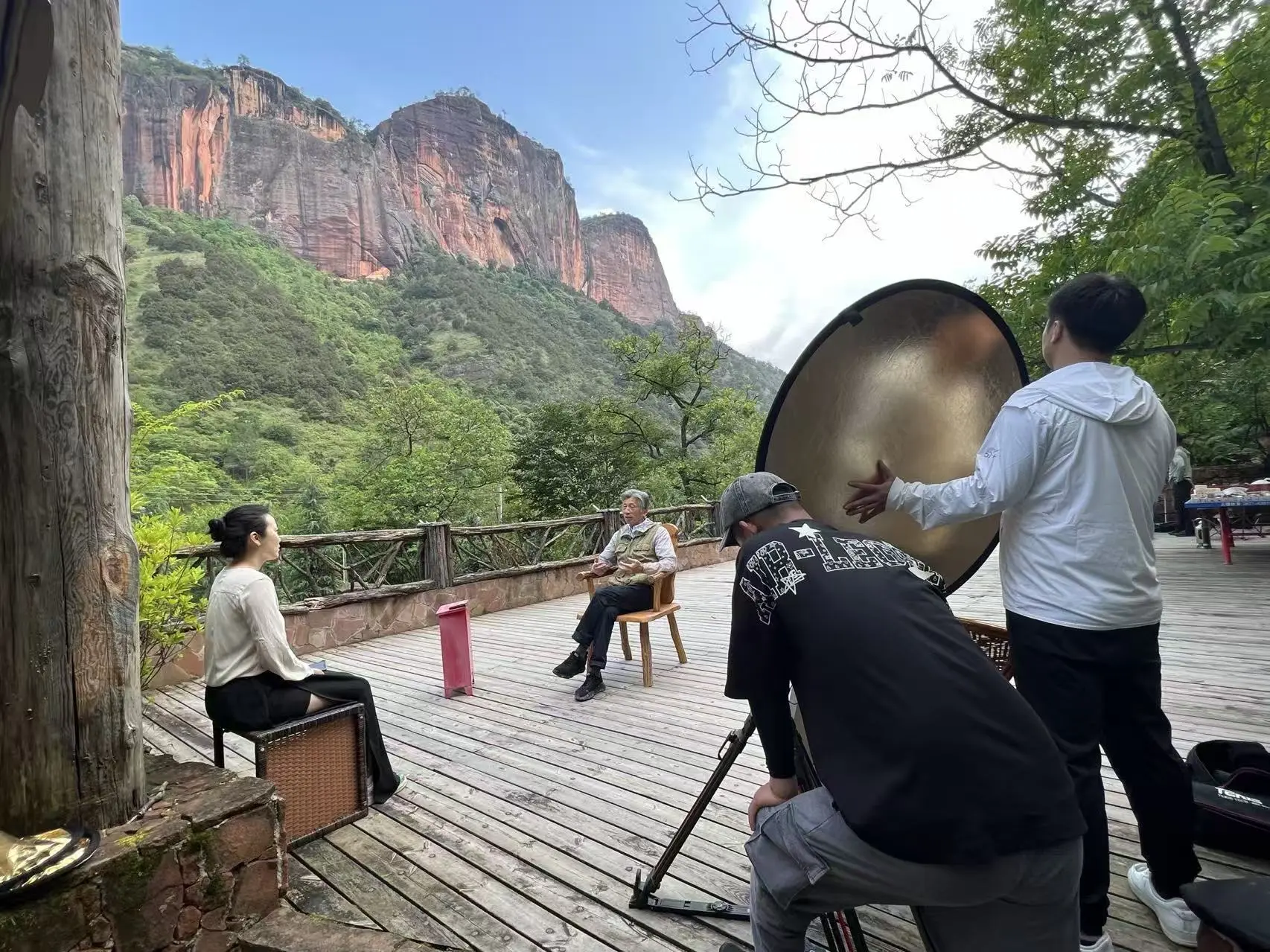
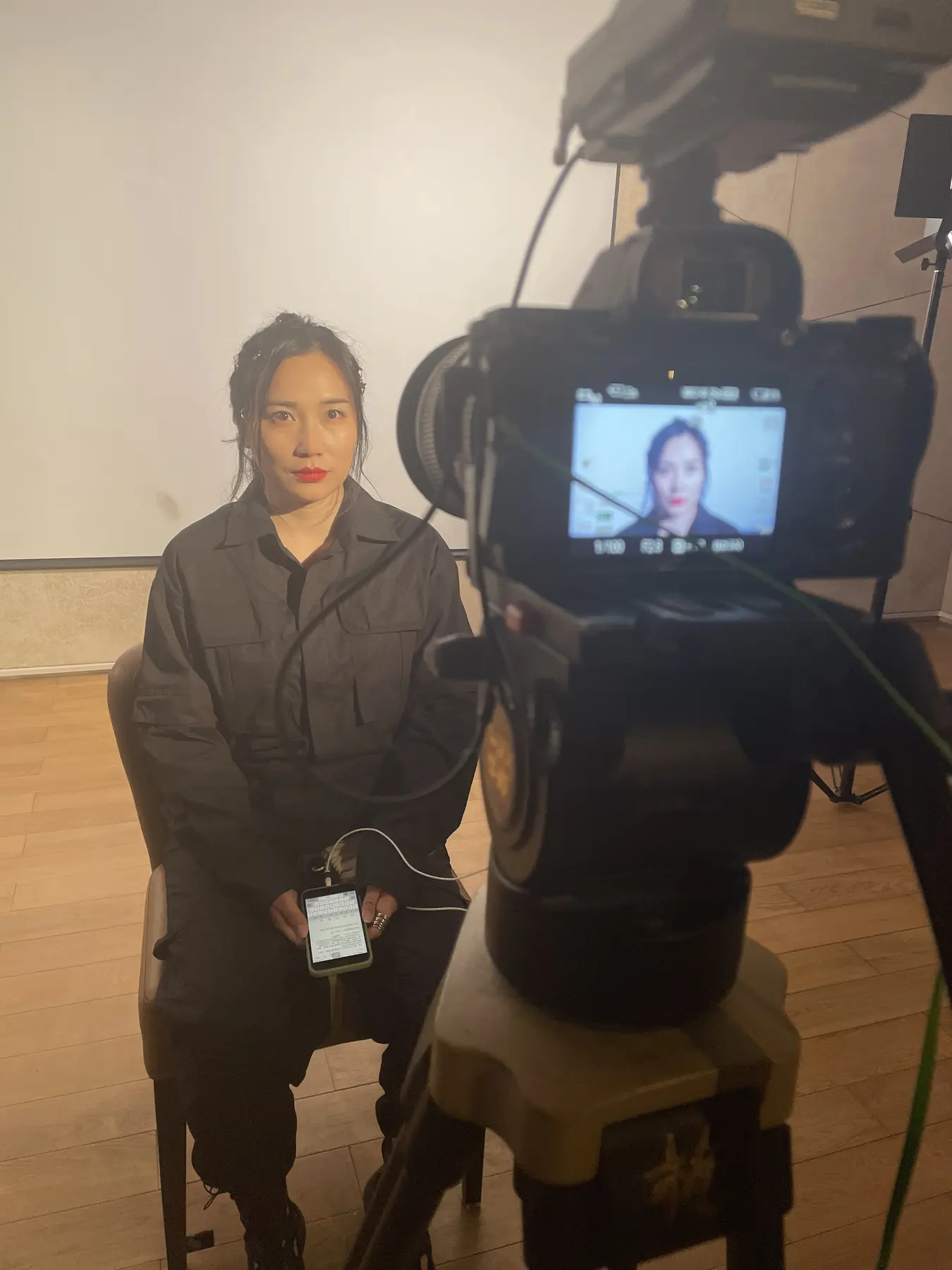
We began WU—LIAO as a place for conversations with artists and cultural practitioners. The opening question is usually simple; the conversation gradually reveals what a medium, a profession or a way of living takes for granted.

我们发起“无不吴聊”,邀请艺术家与文化实践者进入对话。开场的问题通常很简单,随着谈话展开,媒介、职业与生活方式中那些习以为常的前提会逐渐显现。

READING / 线索

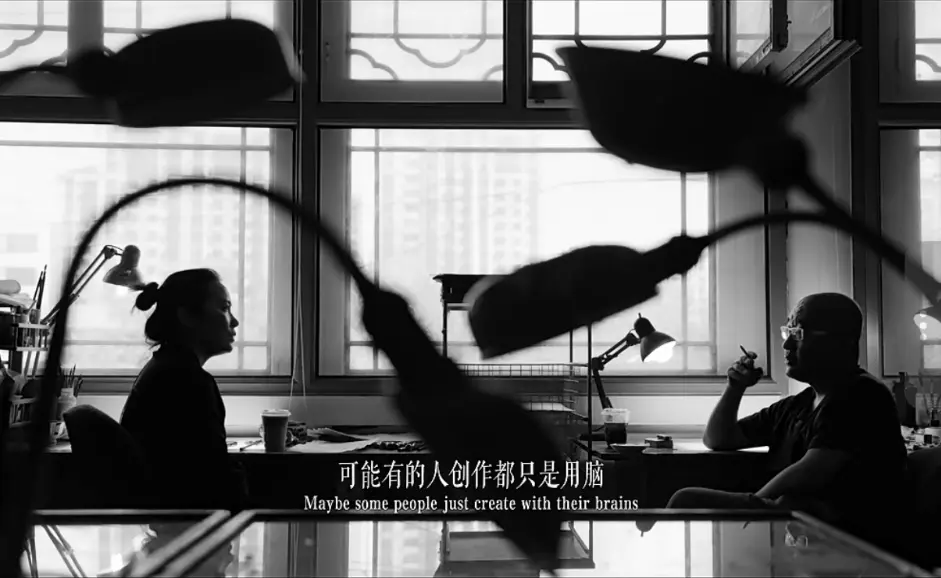
For us, the work is not only the interview footage. It also lives in the relation among question, encounter, duration, montage, caption, circulation and later return. A short film can remain unfinished and continue through another person, text or project.

对我们而言,作品不只存在于访谈画面,也存在于提问、相遇、持续时间、剪辑、文案、传播与日后返回之间。一部短片可以保持未完成,并在另一个人、另一篇文章或另一个项目中继续。

WHAT WE ARE WORKING THROUGH / 我们正在推进
STARTING POINT / 从这里开始

Conversation becomes an artistic medium when the encounter is not consumed as a finished answer but repeatedly reorganised through image, annotation, comparison and return.

当相遇不被消费为完成答案,而能通过影像、注释、比较与返回被持续重组时,对话才成为艺术媒介。

WHY IT MATTERS / 为什么重要

The project tests whether a platform-native interview can retain duration, disagreement and intellectual reusability after circulation.

项目检验:平台原生访谈在传播之后,能否继续保留持续时间、异议与可重复使用的思想价值。

HOW IT UNFOLDS / 如何展开
  1. Encounter — invitation, setting, question and duration produce the primary relation.

    相遇——邀请、场景、问题与时长共同生成第一层关系。

  2. Moving image — framing, voice, gesture, silence and montage organise how thought appears.

    动态影像——构图、声音、姿态、沉默与蒙太奇组织思想如何显现。

  3. Publication — caption, index, transcript and bibliography return a transient clip to cumulative research.

    出版——文案、索引、转写与文献把短暂片段重新带回累积性研究。

WAYS OF WORKING / 工作方式

Interview访谈

Moving image动态影像

Editorial montage编辑性蒙太奇

Bilingual annotation双语注释

Public circulation公共传播

QUESTIONS WE KEEP OPEN / 保持开放的问题
Q

What makes this more than an interview channel?

它为什么不只是一个访谈账号?

Because each conversation can continue. It is placed beside other questions, returned to in writing and allowed to grow into another film, project or public situation.

因为每次对话都可以继续:它会与其他问题并置,在写作中被重新返回,也可能长成另一部影片、另一个项目或一个新的公共现场。

Q

Where does authorship sit in a conversation?

一场对话的作者性在哪里?

In the choices that shape attention: whom we invite, what we ask, when we stay silent, how we edit and which relations we allow to remain visible.

它存在于塑造注意力的选择中:邀请谁、提出什么问题、何时沉默、如何剪辑,以及让哪些关系继续保持可见。

Q

How can a short film become a body of knowledge?

一部短片如何进入更大的知识关系?

By remaining partial. A fragment gains depth when it can meet a longer conversation, another person's thought, a project, a book or a question that has not yet been answered.

关键是允许它保持局部。当一个片段能够与更长的对话、另一个人的思考、一个项目、一本书或一个尚未回答的问题相遇时,它会获得新的深度。

Read the nine expanded moving-image studies
02

The Diachronic House in the Future

未来的老房子

2018
PROJECT / 项目

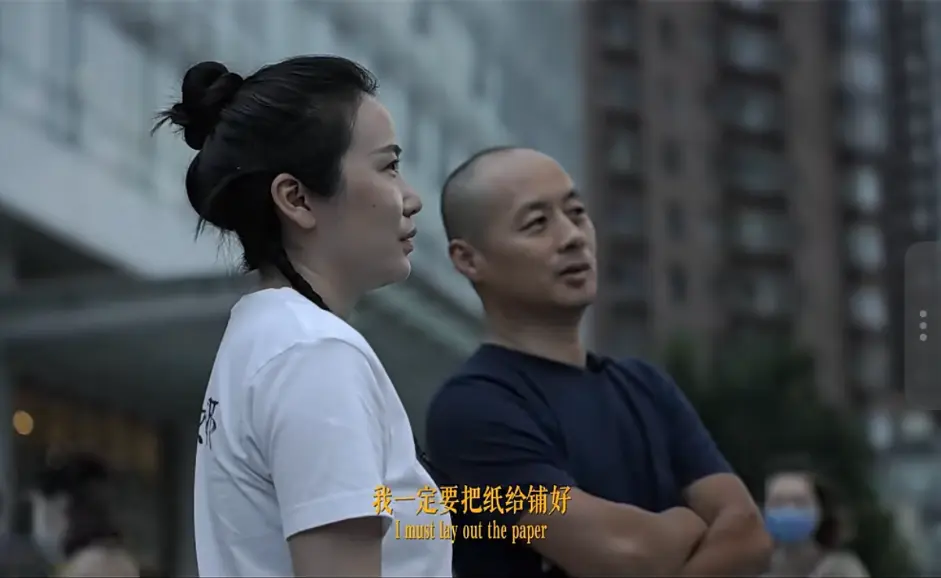
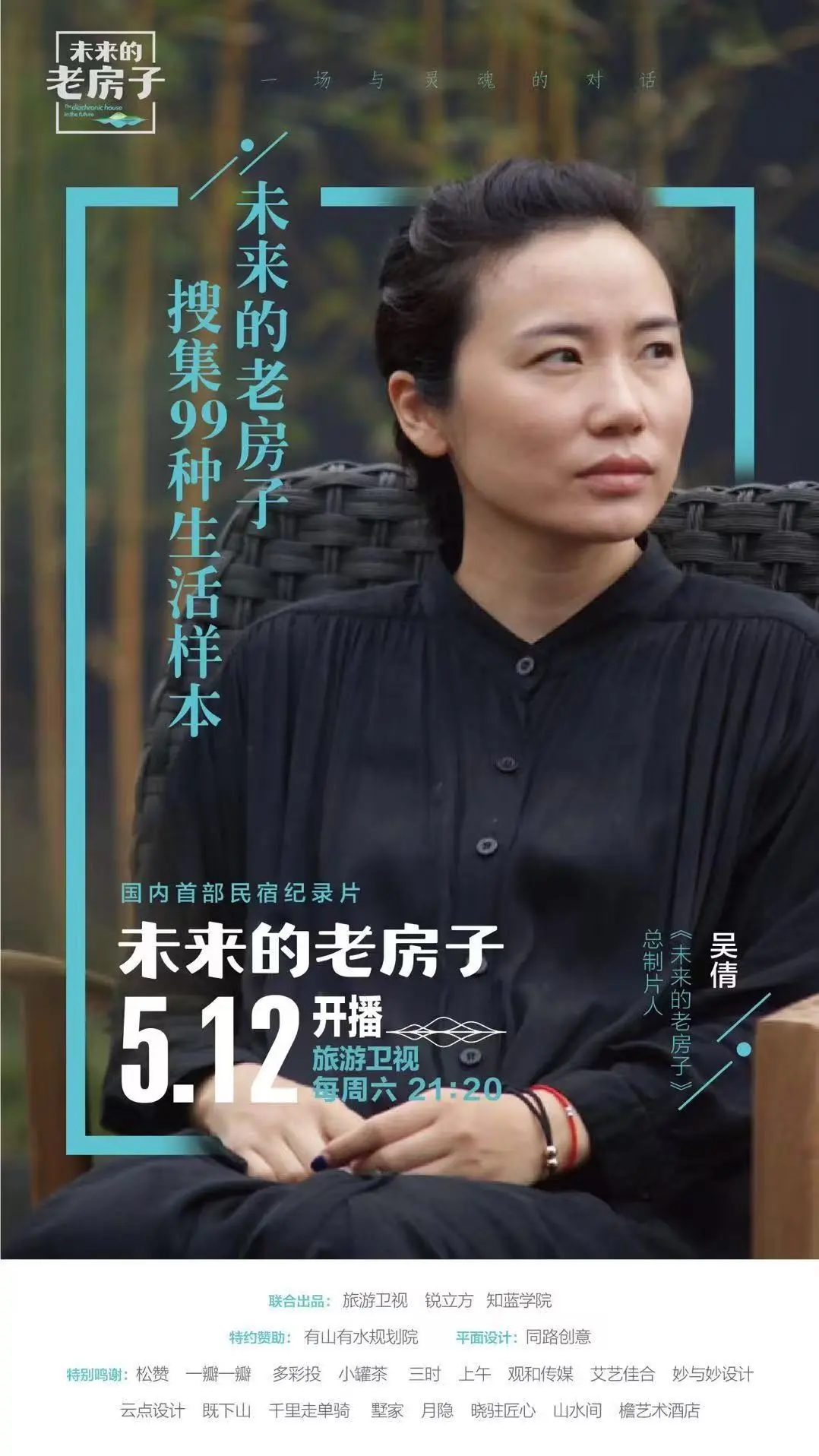
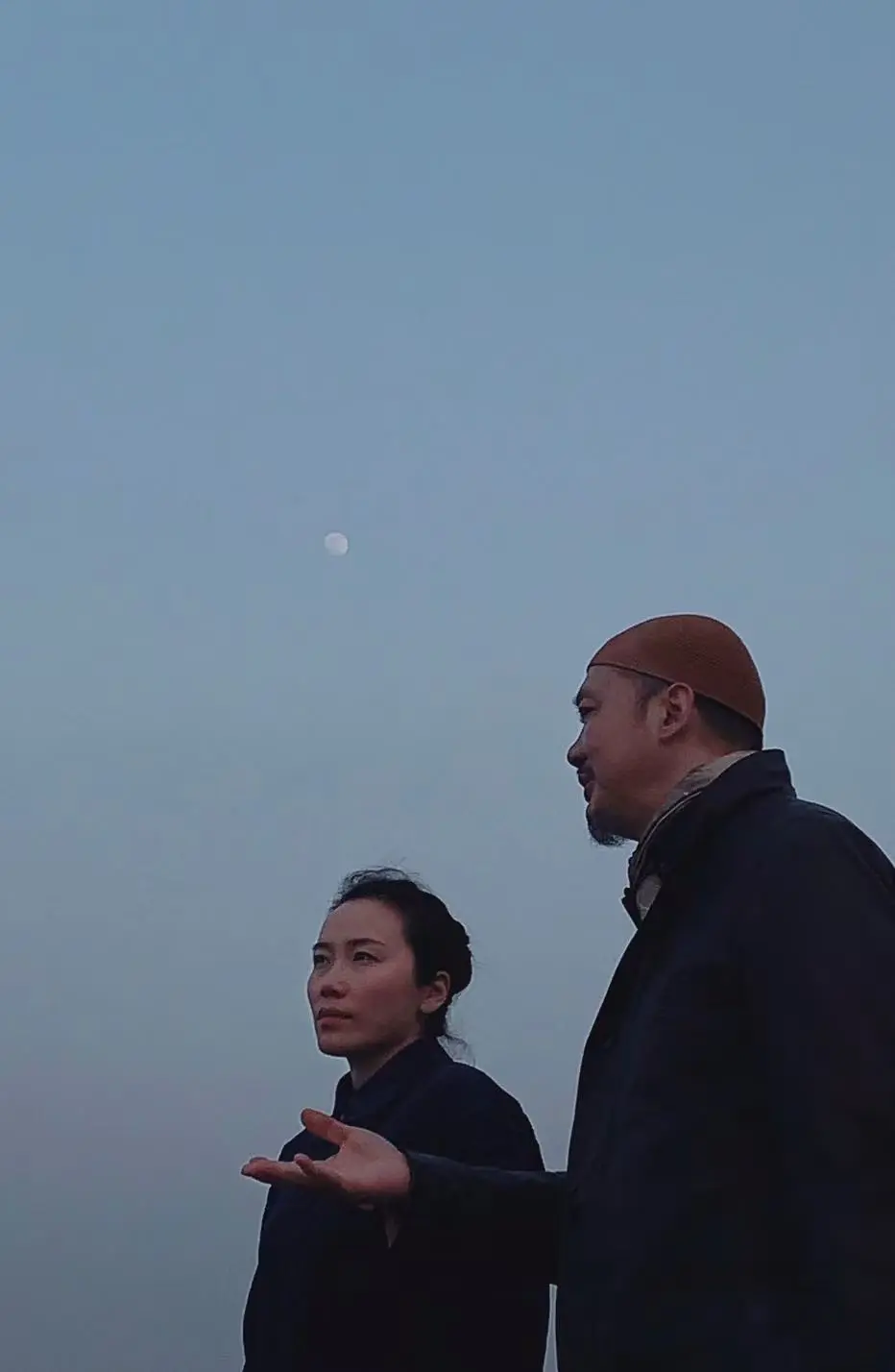
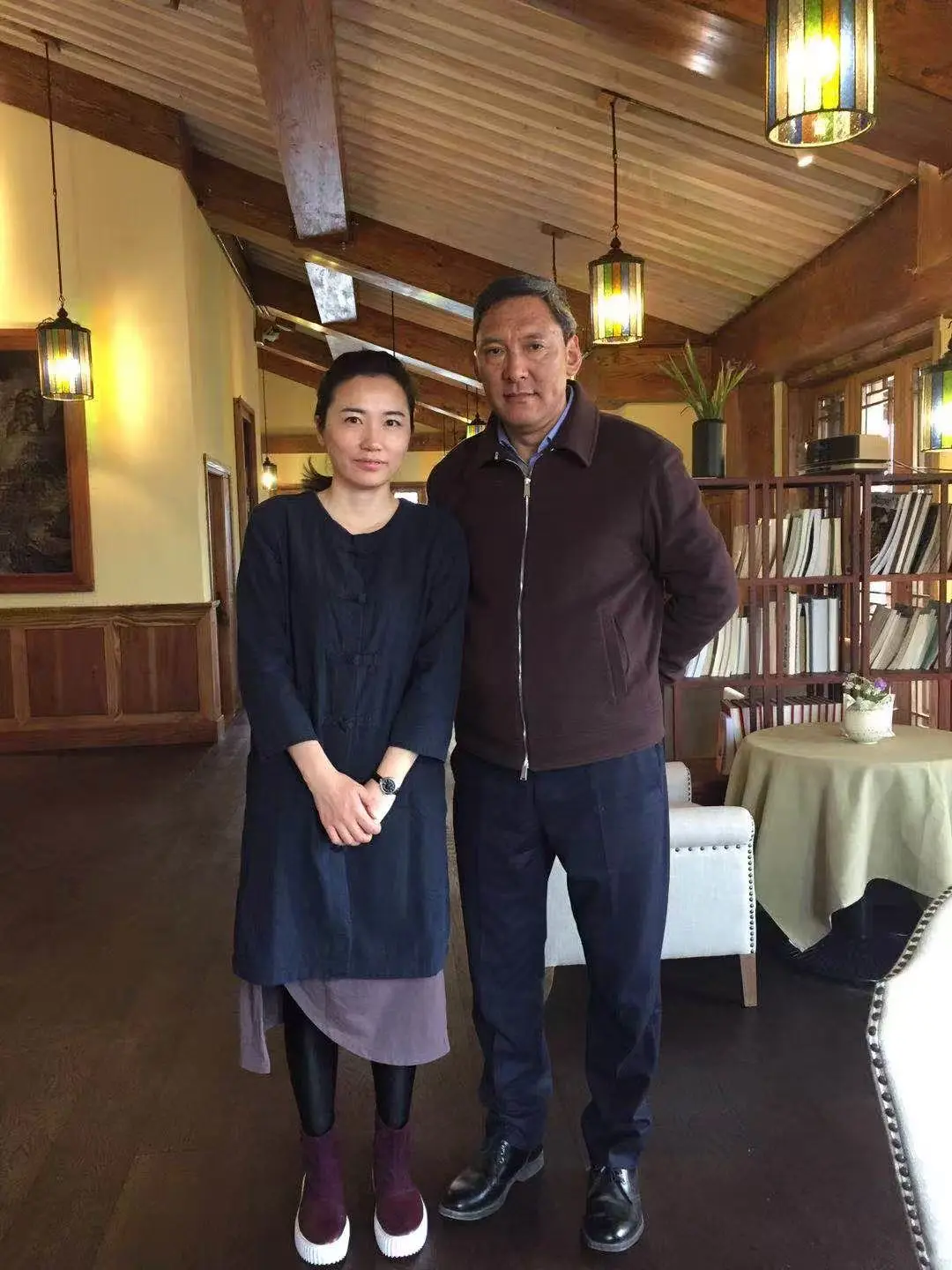
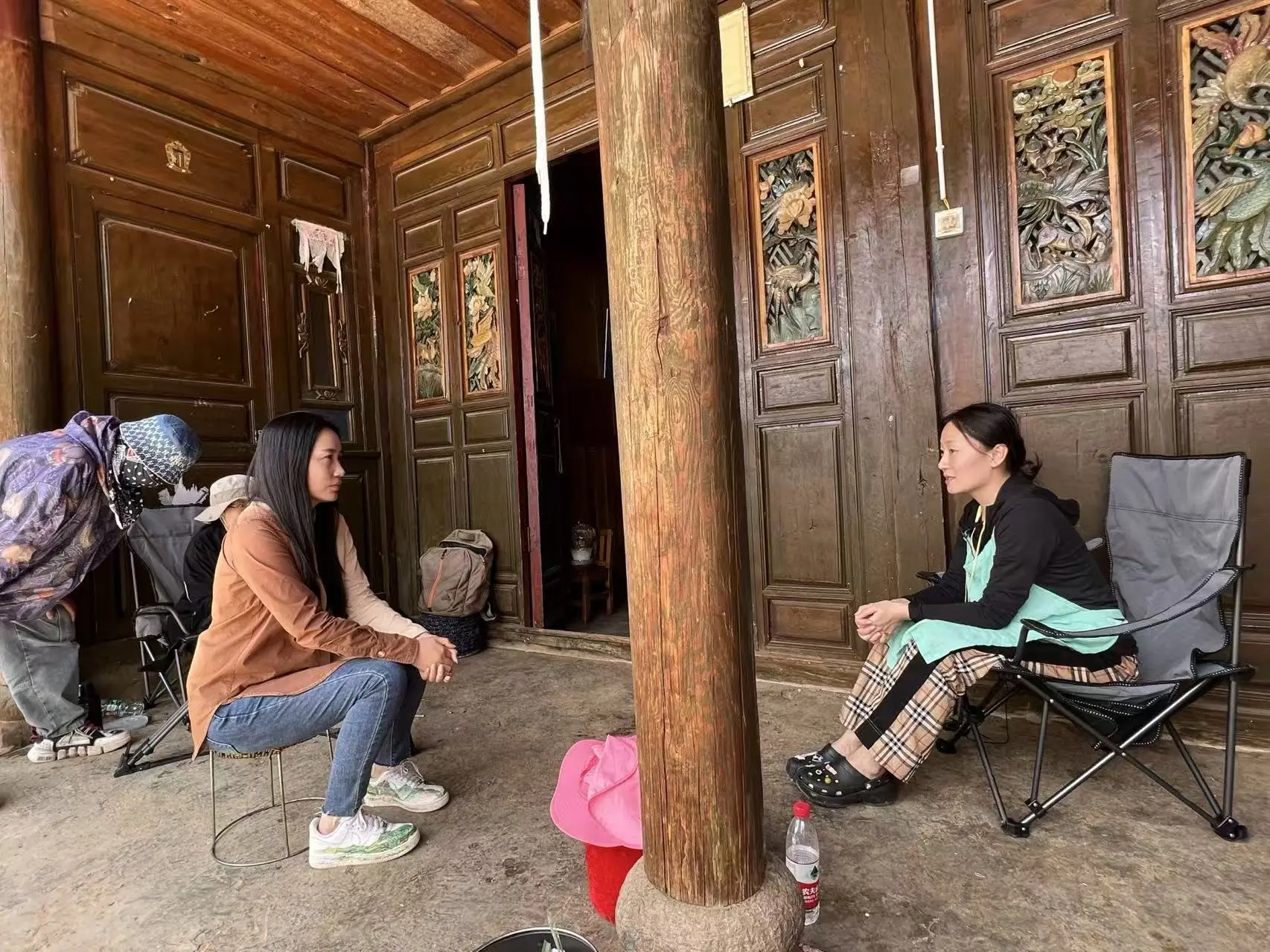
We follow inherited rural architecture as it enters contemporary dwelling and hospitality. The series moves through houses, their inhabitants and the practical choices that shape what a place can become. Wu Qian is credited as Co-Executive Producer.

我们沿着传统乡村建筑进入当代居住与民宿业态的过程,进入房屋、居住者,以及一个地点能够变成什么的现实选择。吴倩担任联合总制片人。

READING / 线索

The ‘old house’ is not treated as a stable heritage object. It is diachronic: memory, labour, tourism, design and local life occupy the same structure at different speeds. The future in the title therefore does not cancel the past; it asks which past can remain active under new economic and social uses.

“老房子”并非稳定的遗产物件,而是历时性的结构:记忆、劳动、旅游、设计与地方生活以不同速度共同占据它。标题中的“未来”并不取消过去,而是在追问:当新的经济与社会用途进入之后,哪些过去仍能保持活性?

WHAT WE ARE WORKING THROUGH / 我们正在推进
STARTING POINT / 从这里开始

The house is not a preserved object outside time; it is an active negotiation among inheritance, livelihood, design, memory and the people who continue to inhabit it.

房屋不是时间之外被保存的物件,而是继承、生计、设计、记忆与持续居住者之间仍在发生的协商。

WHY IT MATTERS / 为什么重要

The series asks how inherited architecture remains active when rural dwelling, hospitality, design and local economies begin to occupy it at different speeds.

该系列追问:当乡村居住、民宿、设计与地方经济以不同速度进入传统建筑时,继承空间如何继续保持活性。

HOW IT UNFOLDS / 如何展开
  1. House as record — material alterations hold negotiations between memory and use.

    房屋作为记录——材料变化保存记忆与使用之间的协商。

  2. Hospitality as economy — the future of a building is connected to new forms of livelihood.

    民宿作为经济——建筑的未来与新的生计形式相连。

  3. Documentary as access — production conditions decide which histories and voices enter the frame.

    纪录片作为进入——制作条件决定哪些历史与声音进入画面。

WAYS OF WORKING / 工作方式

Documentary production纪录片制片

Field coordination田野协调

Architecture and memory建筑与记忆

Situated narrative在地叙事

QUESTIONS WE KEEP OPEN / 保持开放的问题
Q

Why is production an artistic question here?

为什么这里的制片也是艺术问题?

Because access, timing, trust, location and resource allocation determine what reality can enter the image. Production does not merely deliver a prior concept; it shapes the work's ethics and field of visibility.

因为进入权限、时间、信任、地点与资源分配共同决定了哪些现实能够进入画面。制片不是执行既定概念,而是在塑造作品的伦理与可见范围。

Q

What is the ‘future’ of an old house?

老房子的“未来”是什么?

It is not a single restored appearance. The future is the contested ability of architecture to support memory, livelihood, hospitality and contemporary use without erasing the labour and histories already embedded in it.

它不是一种统一的修复外观,而是建筑在不抹去既有劳动与历史的前提下,继续承载记忆、生计、待客与当代用途的争议性能力。

Q

How does the project avoid romanticising the rural?

项目如何避免浪漫化乡村?

By keeping transformation, economy, production labour and unequal access inside the frame. Rural architecture is approached as a lived and changing structure, not as a picturesque refuge from modernity.

通过让变化、经济、制作劳动与不平等进入画面。乡村建筑被理解为仍在生活并持续改变的结构,而不是逃离现代性的风景化避难所。

Open the publication record
03

Situated Conversations

在地对话

Ongoing
PROJECT / 项目

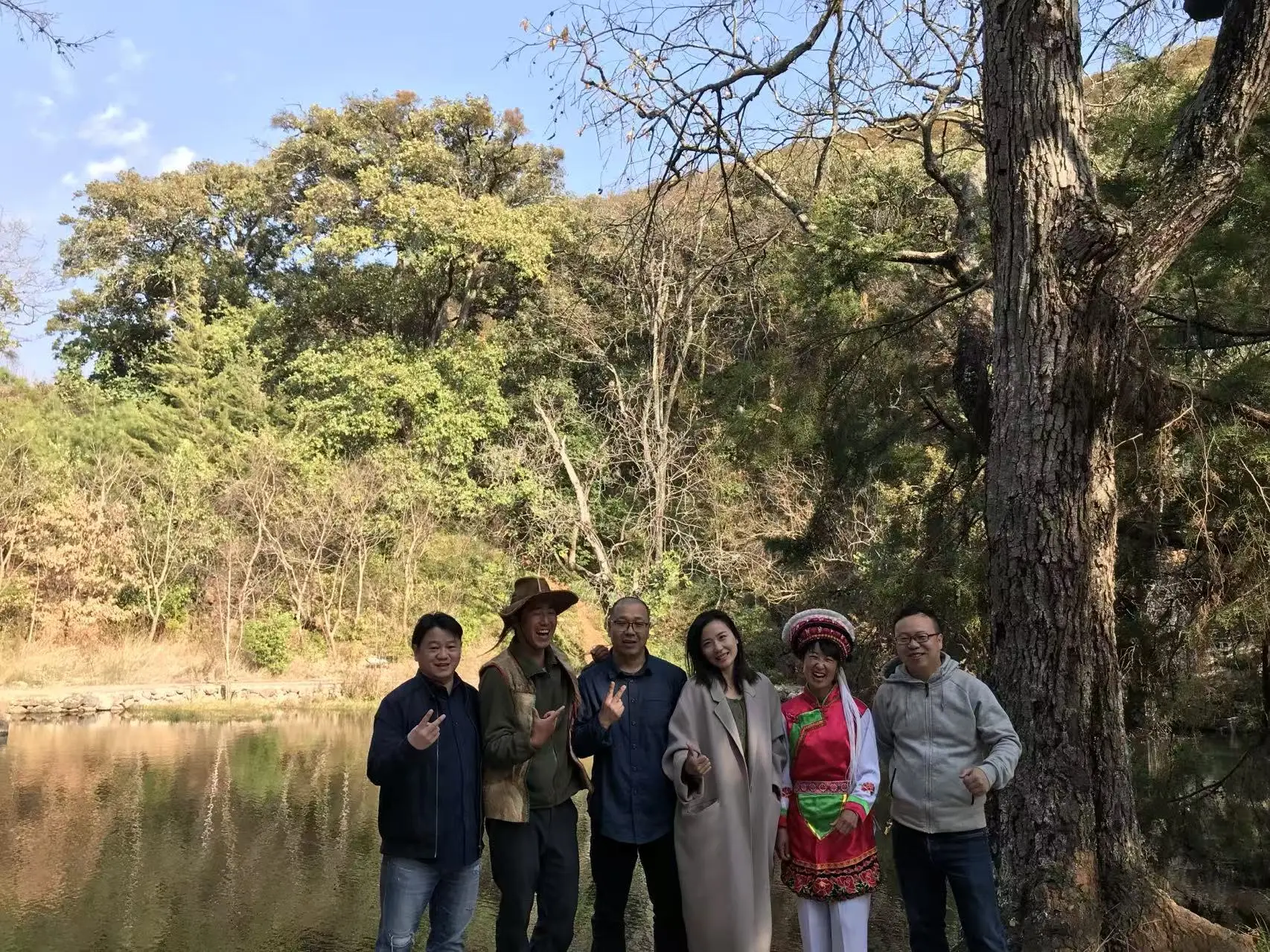
This dossier gathers field encounters in which landscape, distance and local memory change the form of a conversation. A site is not used as picturesque scenery behind a finished argument; weather, access and the knowledge of people encountered there alter what can be asked and recorded.

该档案汇集一组田野相遇:景观、距离与地方记忆改变了对话的形式。现场不是完成论证之后的风景背景;天气、进入条件以及相遇者持有的知识,会重新改变什么能够被提问与记录。

READING / 线索

Situated practice transfers authority away from the camera alone. The image becomes a negotiation among the person filming, the person speaking and the place that makes both positions possible. Weather, distance and local knowledge are not background; they redirect the encounter.

在地实践把权威从镜头一方移开。图像成为拍摄者、说话者与使双方位置得以成立的地点之间的协商。天气、距离与地方知识并非背景,它们会重新改变相遇。

WHAT WE ARE WORKING THROUGH / 我们正在推进
STARTING POINT / 从这里开始

A site is a co-author when weather, distance, access, architecture and local knowledge can materially redirect the question and the image.

当天气、距离、进入条件、建筑与地方知识能够实质改变问题和画面时,地点就成为共同作者。

WHY IT MATTERS / 为什么重要

This cluster asks how a location can alter the question, the recording method and the distribution of authority within an encounter.

该组档案追问:地点如何改变提问、记录方法,以及相遇中的权威分配。

HOW IT UNFOLDS / 如何展开
  1. Arrival and access are treated as part of research rather than invisible preparation.

    抵达与进入被视为研究的一部分,而非隐形准备。

  2. Weather, distance and local knowledge can redirect the planned image.

    天气、距离与地方知识能够改变预设画面。

  3. A sequence of images lets one place answer another without reducing either to scenery.

    图像序列让一个地点回应另一个地点,同时不把任何一处缩减为风景。

WAYS OF WORKING / 工作方式

Field encounter田野相遇

Oral history口述史

Location sound现场声音

Situated image在地图像

QUESTIONS WE KEEP OPEN / 保持开放的问题
Q

What can a place know?

一个地点能够知道什么?

A place does not speak as a person does, but it organises memory, movement, access and attention. Treating those forces as participants changes both the question and the image.

地点不会像人一样说话,却组织着记忆、移动、进入与注意。把这些力量视为参与者,会同时改变问题与图像。

Q

What separates a site from scenery?

场域与风景有什么区别?

Scenery can remain visually available while socially silent. A site becomes operative when its routes, restrictions, weather, architecture, histories and local knowledge can redirect the method of the work.

风景可以保持视觉可用,却在社会关系上沉默。只有当路径、限制、天气、建筑、历史与地方知识能够改变作品方法时,地点才真正成为场域。

Q

Who authors a field image?

谁是田野图像的作者?

Authorship is shared among the person recording, those who grant access or speak, the technical apparatus and the conditions of the place. Our responsibility is to compose those relations without pretending to own them entirely.

作者关系分布在记录者、提供进入或发言的人、技术装置与地点条件之间。我们的责任是组织这些关系,而不是假装能够完全占有它们。

Read the situated-practice field note
04

Exhibition as Dialogical Assembly

展览作为对话性组装

Archive / ongoing
PROJECT / 项目

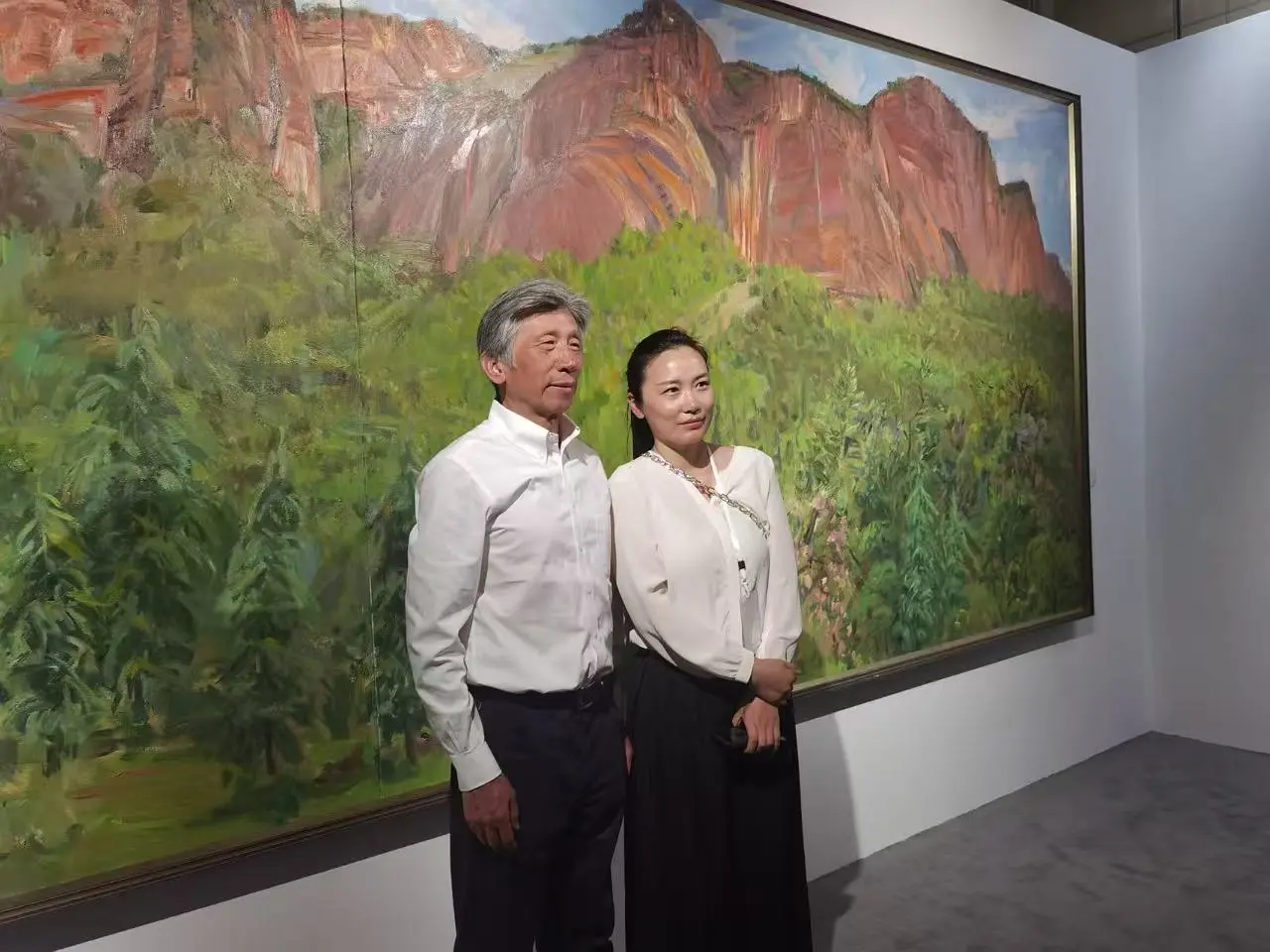
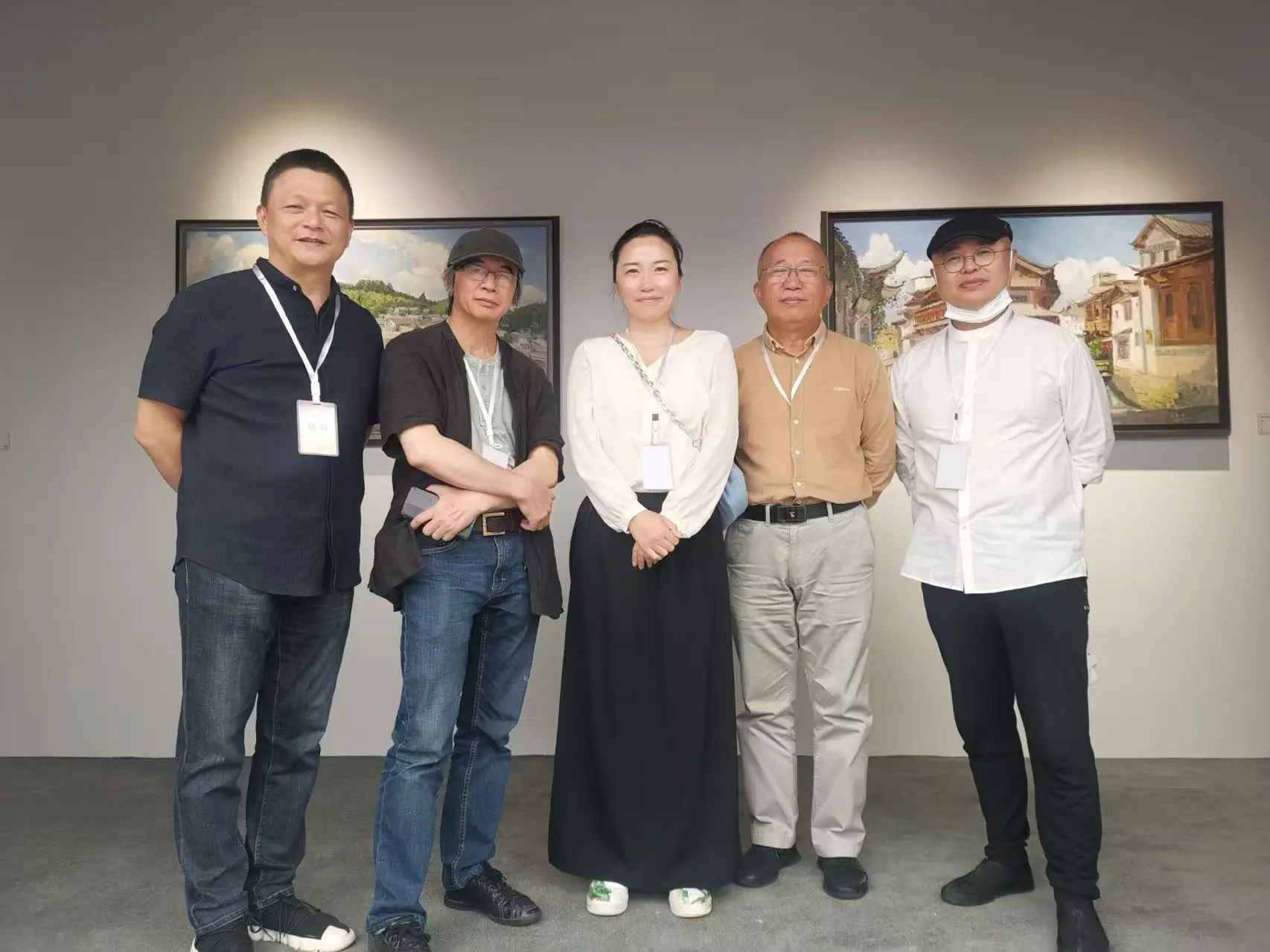
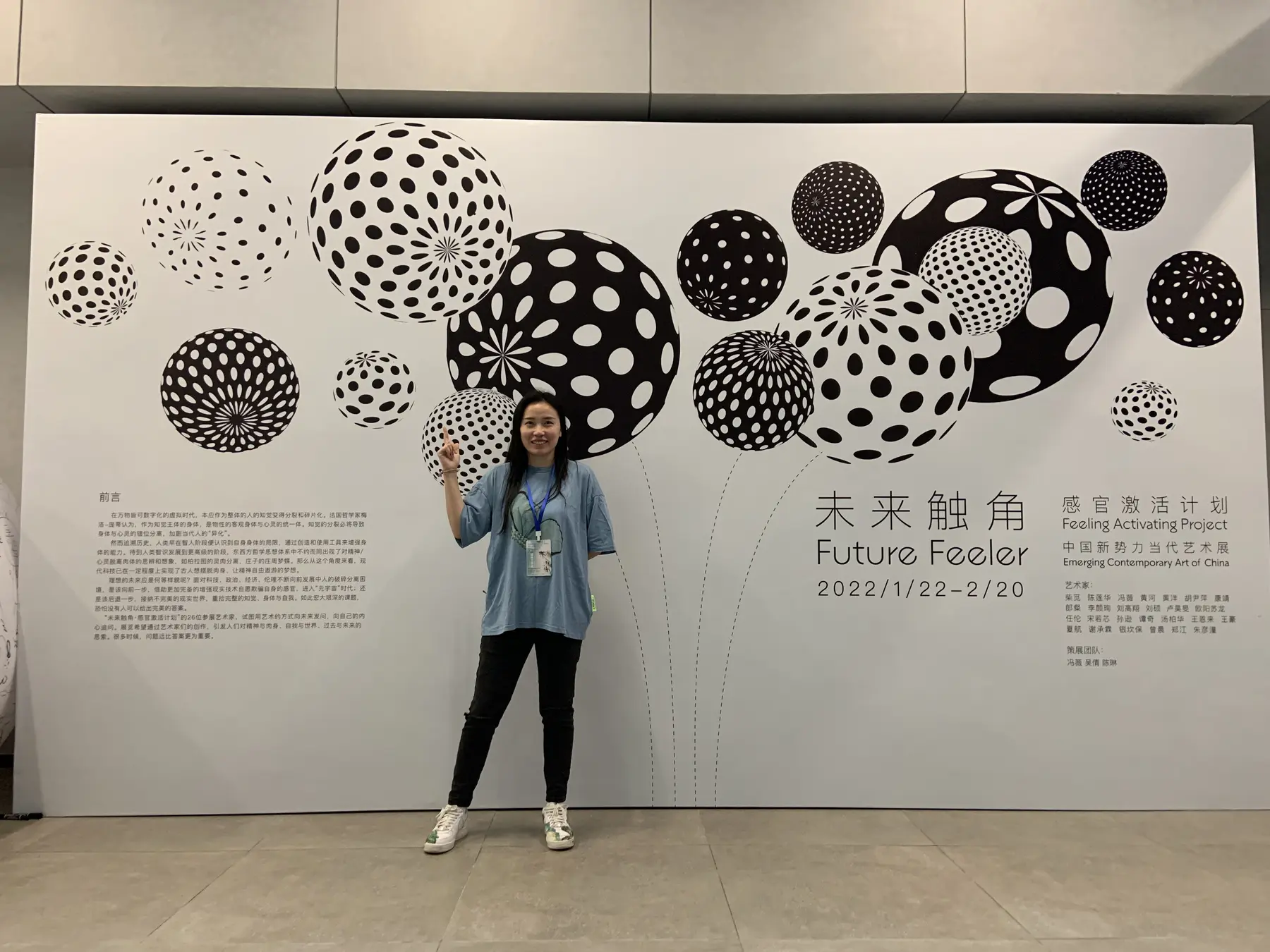
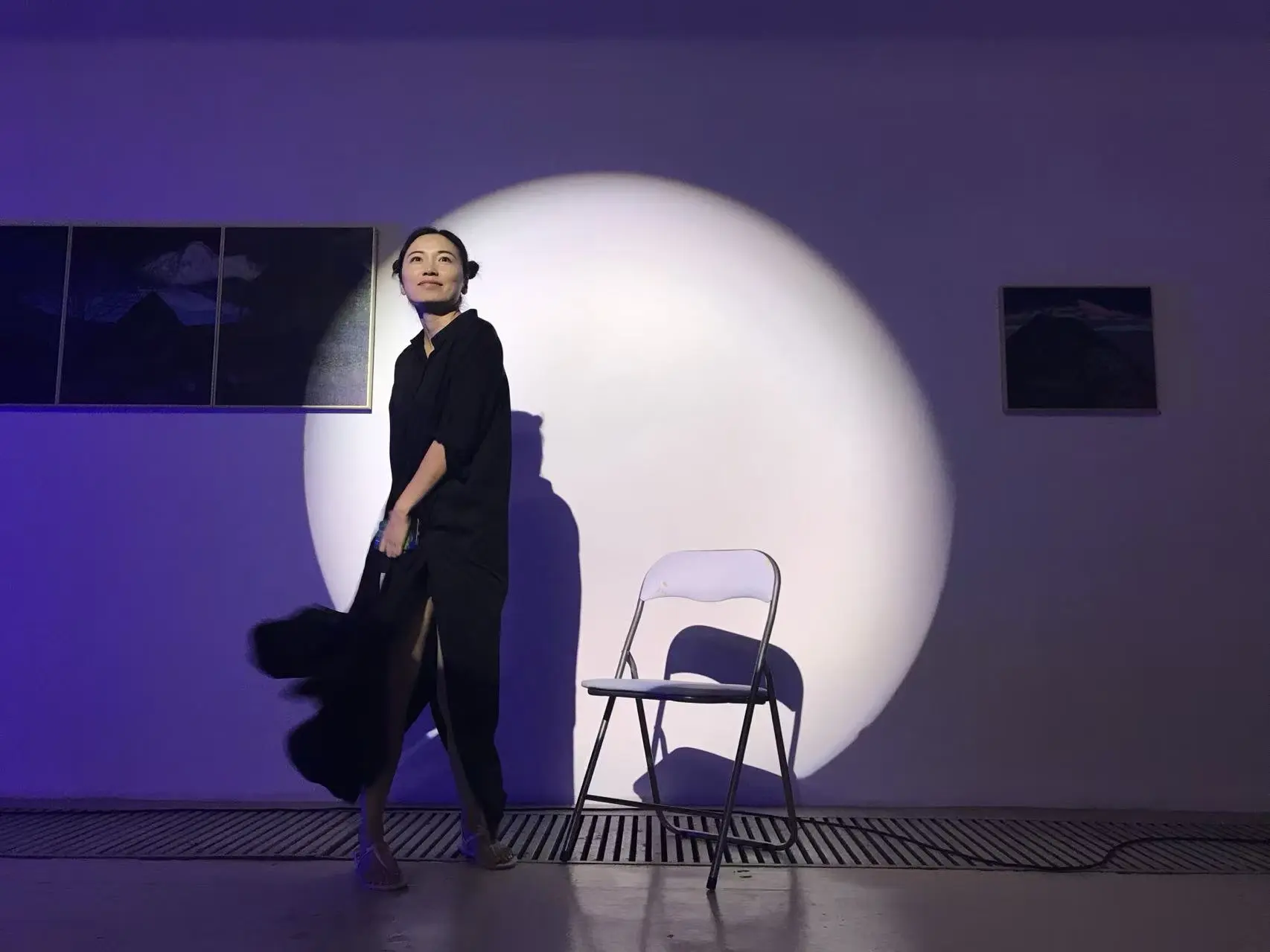
These rooms bring paintings, installations, artists and viewers into temporary relation. We return to the photographs to understand how encounter, distance and spatial sequence can make an exhibition speak.

这些空间让绘画、装置、艺术家与观众形成临时关系。我们重新回到照片,理解相遇、距离与空间序列如何让一个展览开始说话。

READING / 线索

An exhibition is understood as an assembly rather than a container. Meaning is produced by distance, adjacency, sightline, pause and social presence. Curatorial work therefore lies not only in selecting objects but in composing the conditions under which one thing can alter the reading of another.

展览被理解为一种组装,而非容器。意义由距离、邻接、视线、停顿与社会性在场共同生成。策展工作因此不仅是选择物件,也是在编排一种条件,使一件事物能够改变另一件事物的阅读。

WHAT WE ARE WORKING THROUGH / 我们正在推进
STARTING POINT / 从这里开始

Curating is the composition of relations: adjacency, scale, movement, pause and social presence determine what a work is able to mean in public.

策展是关系的构成:邻接、尺度、移动、停顿与社会性在场,共同决定作品能够在公共空间中意味着什么。

WHY IT MATTERS / 为什么重要

The dossier examines exhibition-making as the composition of relations among objects, bodies, architecture, duration and social encounter.

档案把展览制作理解为作品、身体、建筑、持续时间与社会相遇之间的关系构成。

HOW IT UNFOLDS / 如何展开
  1. Adjacency changes meaning: one work becomes a context for another.

    邻接改变意义:一件作品成为另一件作品的语境。

  2. Sightlines and pauses distribute attention across a room.

    视线与停顿在空间中分配注意力。

  3. Public presence converts display into an event rather than a fixed arrangement.

    公众在场把陈列转化为事件,而非固定布置。

WAYS OF WORKING / 工作方式

Spatial sequencing空间序列

Relational display关系性陈列

Encounter相遇

Contextual reading语境阅读

QUESTIONS WE KEEP OPEN / 保持开放的问题
Q

Is curating selection or relation?

策展是选择,还是关系?

Selection is one operation. A curatorial argument becomes public through relations—between works, bodies, architecture, timing and the histories viewers bring into the room.

选择只是其中一种操作。策展论证通过关系进入公共空间:作品、身体、建筑、时间,以及观众带入房间的历史共同参与其中。

Q

How does a room begin to speak?

一个空间如何开始说话?

Through distance, adjacency, light, sightlines and the route a body takes. Curating begins when these relations are composed as carefully as the objects themselves.

通过距离、邻接、光线、视线与身体经过的路径。当这些关系像物件本身一样被认真编排时,策展便开始发生。

Q

What changes when conversation enters the exhibition?

当对话进入展览,会发生什么?

Interpretation becomes social. A work is no longer encountered alone; another voice, pause or disagreement changes how it can be seen.

阐释开始具有社会性。作品不再被独自观看;另一种声音、一次停顿或一场分歧,都会改变它被看见的方式。

Read the project essay: Exhibition Is a Field of Relation
05

Public Programme and Workshop

公共项目与工作坊

Archive / ongoing
PROJECT / 项目

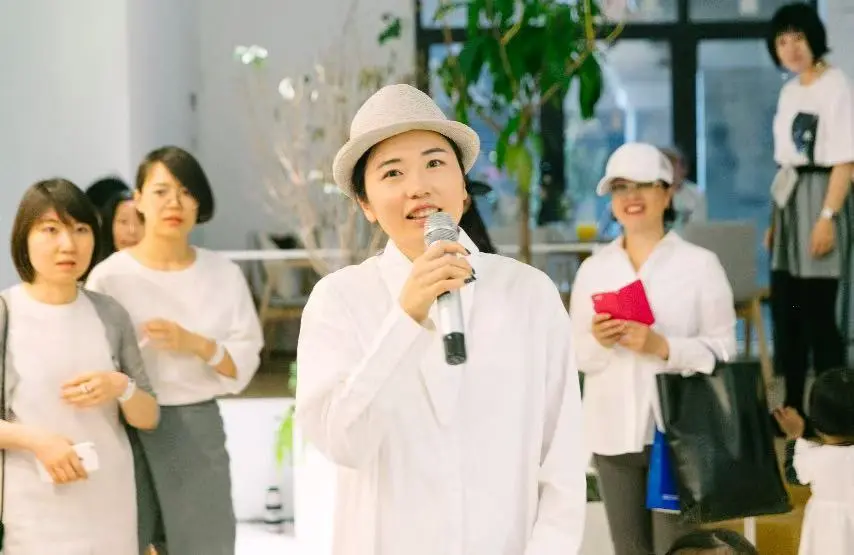
These records place speech, making and collective attention in shared space. The workshop is approached neither as outreach decoration nor as proof of audience engagement, but as a temporary structure in which knowledge can move between people through voice, gesture and matter.

这些资料把言说、制作与集体注意置于共享空间。工作坊既不是装饰性的公共教育,也不是观众参与的证明,而是一种临时结构:知识通过声音、动作与材料在人与人之间移动。

READING / 线索

Participation is meaningful only when it can affect the situation. The artistic question is therefore not how many people attended, but whether the frame allowed participants to alter the rhythm, material or direction of the event.

参与只有在能够改变现场时才具有意义。艺术问题因此不是有多少人到场,而是这一框架是否允许参与者改变事件的节奏、材料或方向。

WHAT WE ARE WORKING THROUGH / 我们正在推进
STARTING POINT / 从这里开始

Participation becomes artistic form only when participants can alter the rules, rhythm, material or direction of the situation they enter.

只有当参与者能够改变所进入现场的规则、节奏、材料或方向时,参与才成为艺术形式。

WHY IT MATTERS / 为什么重要

The public programme is tested as a temporary learning structure in which participants can alter rhythm, material and direction.

公共项目被检验为一种临时学习结构:参与者能够改变节奏、材料与方向。

HOW IT UNFOLDS / 如何展开
  1. Facilitation makes the rules of participation visible.

    引导使参与规则变得可见。

  2. Collective making allows knowledge to move through gesture and matter as well as speech.

    共同制作让知识通过动作、材料和言语共同移动。

  3. Documentation records how the situation changed, not only that an audience attended.

    记录关注现场如何改变,而不仅证明观众到场。

WAYS OF WORKING / 工作方式

Facilitation引导

Collective making共同制作

Public voice公共声音

Embodied learning具身学习

QUESTIONS WE KEEP OPEN / 保持开放的问题
Q

When does participation become artistic form?

参与何时成为艺术形式?

When the rules of participation are themselves composed, visible and open to change—so that participants are not used as content but can influence what the work becomes.

当参与规则本身被编排、被看见并能够改变时——参与者不再被用作内容,而能够影响作品最终成为何物。

Q

How should a public programme be evaluated?

公共项目应该如何被评价?

Attendance alone is insufficient. Evaluation should ask what participants could change, what forms of knowledge moved between people, whose labour sustained the event and what remained after the encounter.

到场人数并不足够。评价应追问参与者能够改变什么、知识如何在人之间移动、谁的劳动维持现场,以及相遇之后留下了什么。

Q

Is facilitation a form of authorship?

引导是否是一种作者性?

Yes, when facilitation composes conditions for attention without claiming ownership of every contribution. Its authorship lies in thresholds, prompts, care, pacing and the redistribution of speaking space.

是的,前提是引导组织注意条件,却不占有每位参与者的贡献。它的作者性存在于门槛、提示、照料、节奏与发言空间的重新分配中。

Read the project essay: Participation Must Be Able to Change the Work
06

Performance and Voice

表演与声音

Earlier work / ongoing
PROJECT / 项目

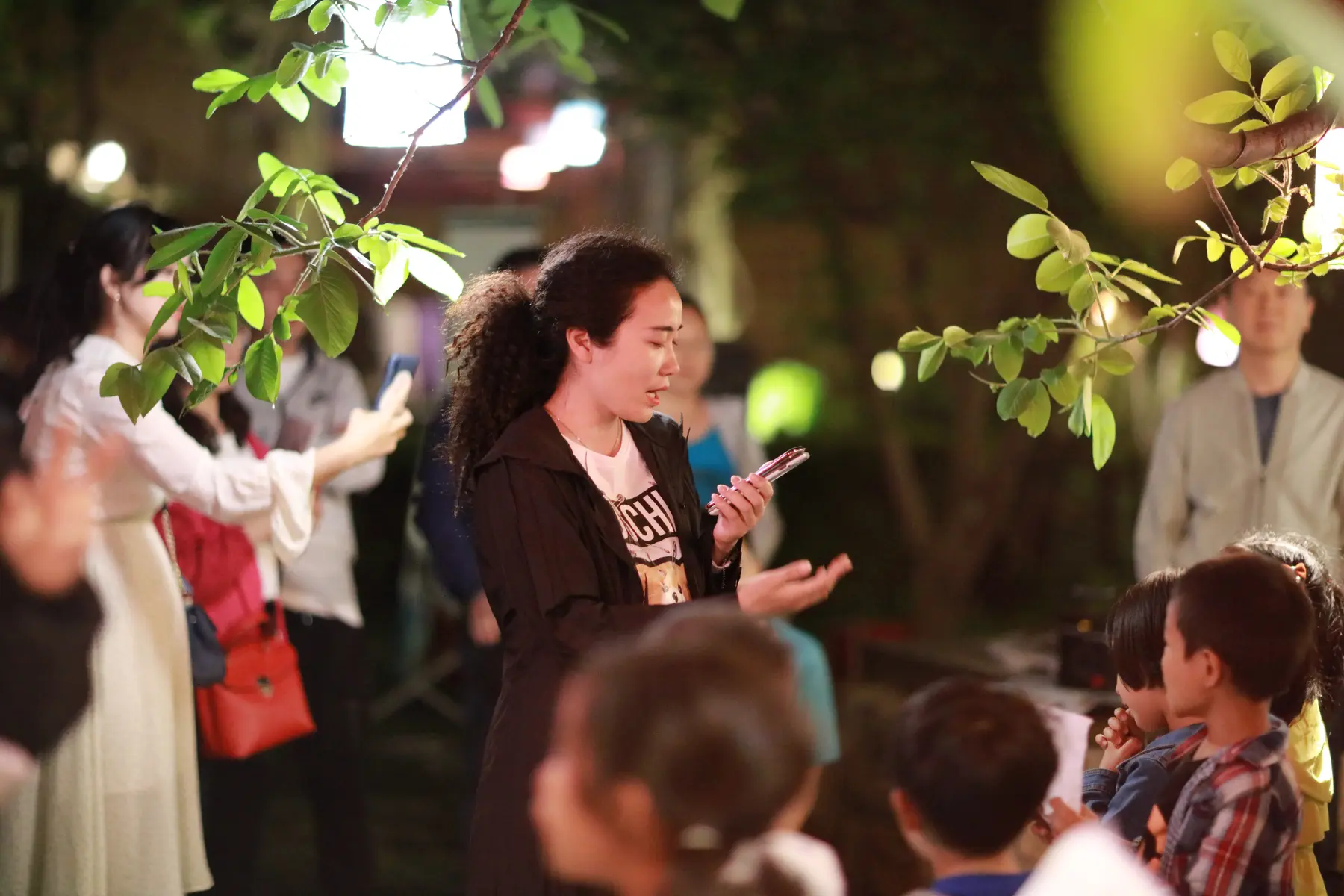
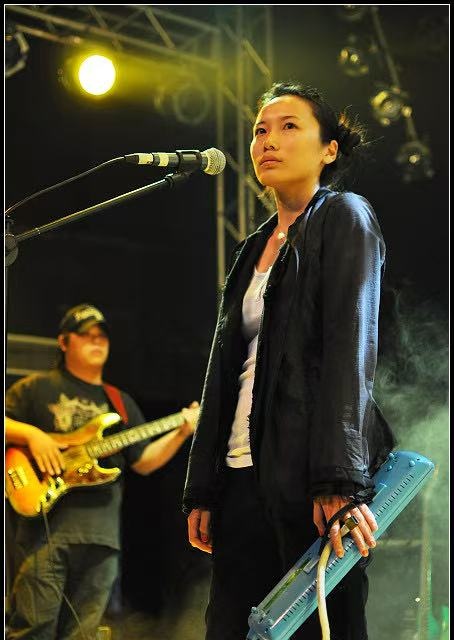
We return to performance as an embodied prehistory of our later conversations and public programmes. Voice appears here not only as information but as breath, timing, exposure and relation to an audience.

我们把表演重新看作后来访谈与公共项目的一段身体前史。声音在这里不仅传递信息,也表现为呼吸、时值、暴露,以及与观众之间的关系。

READING / 线索

A live voice cannot be edited before it reaches the room. Its vulnerability makes performance a useful prehistory for the interview method: both depend on attention to pacing, silence and the ethical risk of appearing before others.

现场声音无法在抵达空间之前被剪辑。正是这种脆弱性,使表演成为访谈方法的一段重要前史:二者都依赖对节奏、沉默,以及在他人面前显现所承担之伦理风险的注意。

WHAT WE ARE WORKING THROUGH / 我们正在推进
STARTING POINT / 从这里开始

Voice becomes material through breath, pacing, bodily exposure and the irreversible presence of listeners. We carry this live condition into our later interview practice.

声音通过呼吸、节奏、身体暴露与听众不可撤回的在场成为材料。我们把这种现场条件带入后来的访谈实践。

WHY IT MATTERS / 为什么重要

These performance images let us trace how voice, breath, pacing and exposure continue inside the way we conduct an interview.

这些表演图像让我们看到:声音、呼吸、节奏与暴露如何继续存在于我们的访谈方式之中。

HOW IT UNFOLDS / 如何展开
  1. Voice is treated as duration and bodily risk, not only information.

    声音被视为持续时间与身体风险,而不仅是信息。

  2. The audience makes appearance relational and irreversible.

    观众使显现成为关系性且不可撤回的事件。

  3. Silence and pacing connect live work to the later ethics of interviewing.

    沉默与节奏把现场工作连接到后来的访谈伦理。

WAYS OF WORKING / 工作方式

Performance表演

Reading朗读

Voice声音

Duration持续

QUESTIONS WE KEEP OPEN / 保持开放的问题
Q

How does performance continue inside an interview?

表演如何继续存在于访谈中?

Not as acting, but as embodied awareness of voice, timing, exposure and the presence of another person. These conditions shape how a question can be asked and received.

不是作为表演性扮演,而是作为对声音、时间、暴露与他人在场的身体意识。这些条件共同塑造问题如何被提出和接收。

Q

Why treat voice as material?

为什么把声音视为材料?

Because meaning is carried not only by words but by breath, volume, tempo, interruption, fatigue and distance. Live voice records a body negotiating a public situation in real time.

因为意义不仅由词语承载,也存在于呼吸、音量、速度、打断、疲劳与距离中。现场声音记录身体如何实时协商公共情境。

Q

What is lost when performance becomes an image archive?

表演进入图像档案后失去了什么?

Duration, sound, audience response and the irreversibility of the event largely disappear. A photograph remains as a trace, not a replacement for the live experience.

持续时间、声音、观众反应与事件的不可撤回性大多消失。照片留下的是痕迹,而不是对现场经验的替代。

Read the practice essay: Voice Before the Edit
07

Installation and Plant Studies

装置与植物研究

Ongoing research
PROJECT / 项目

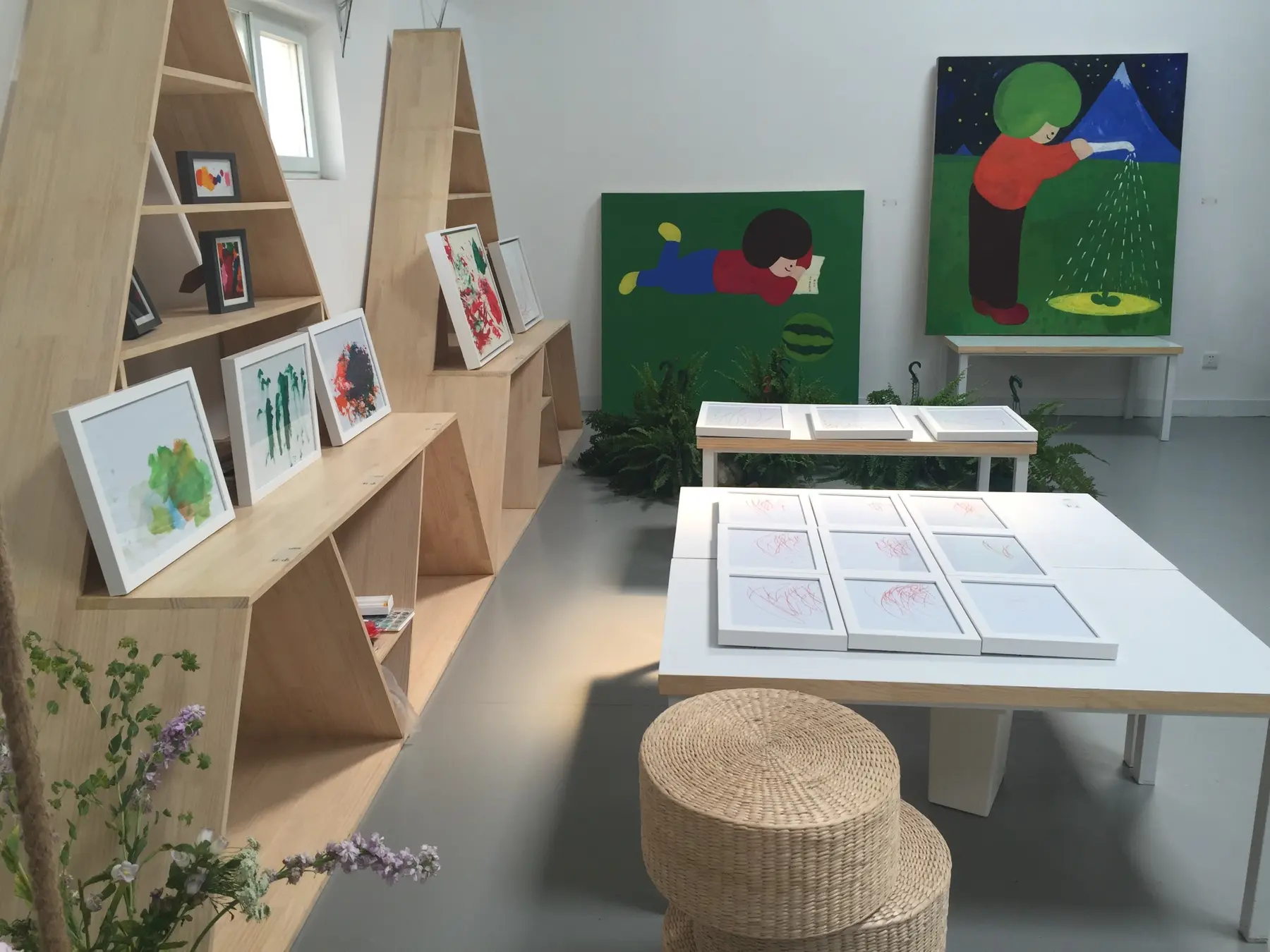
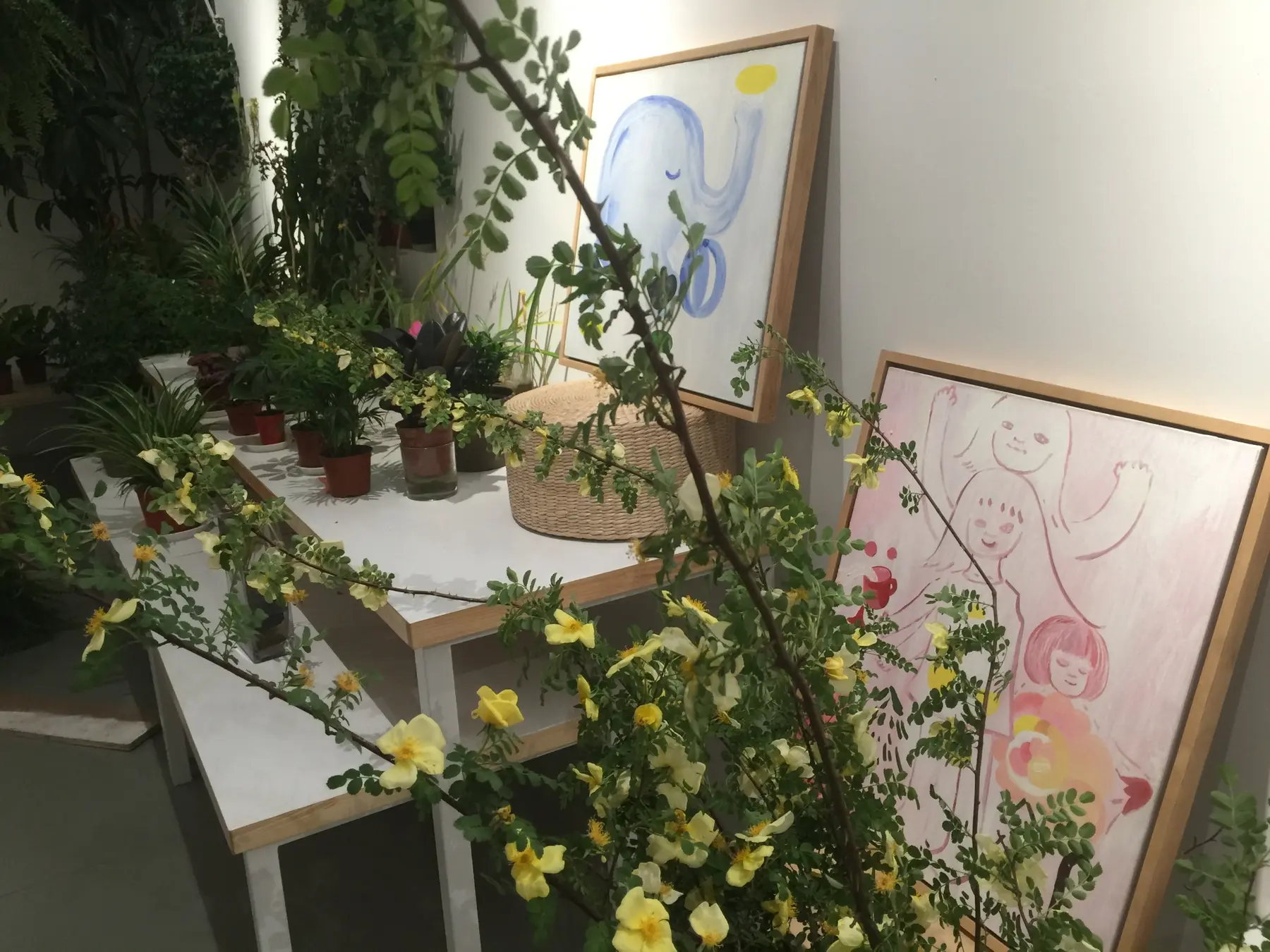
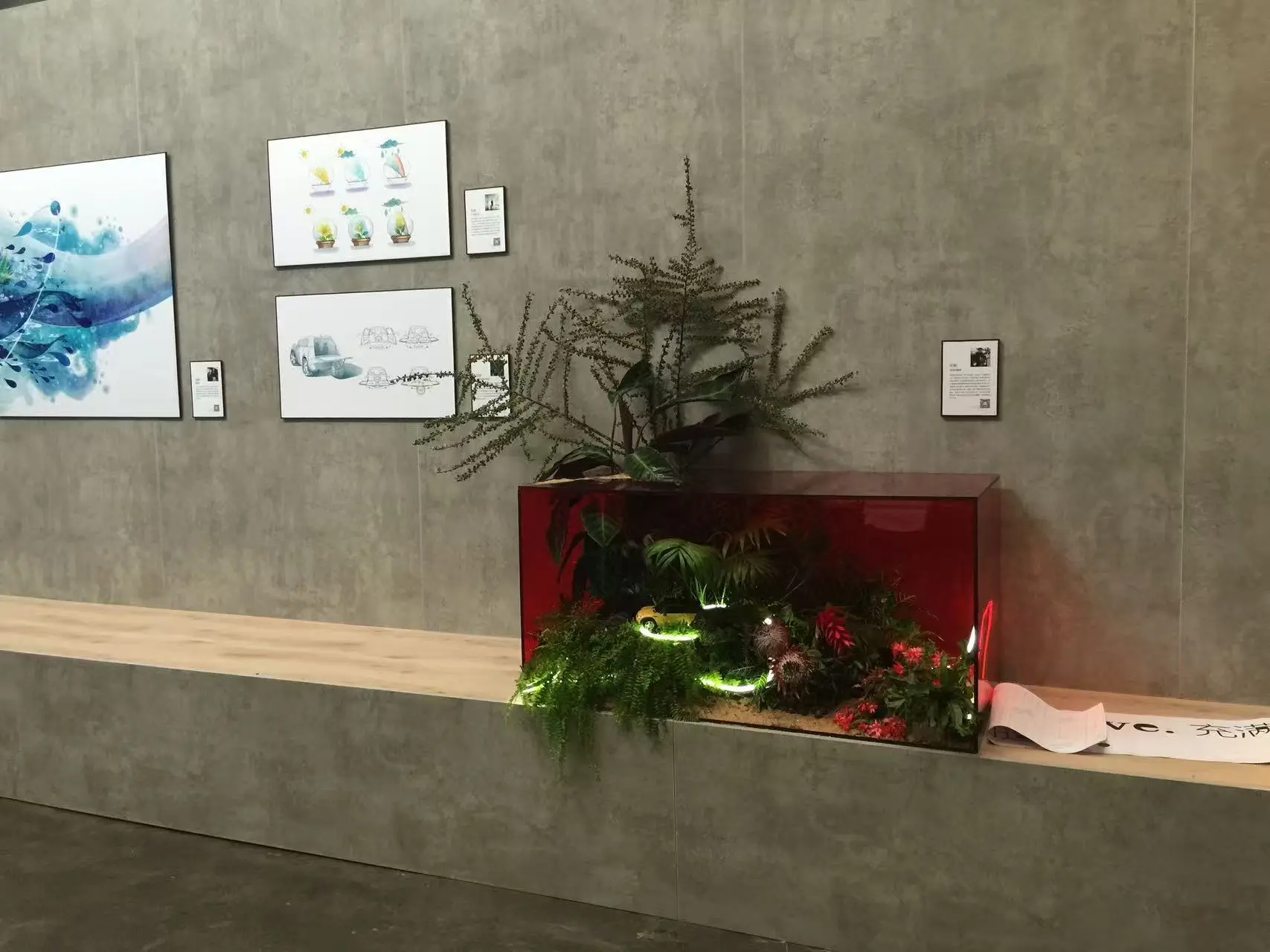
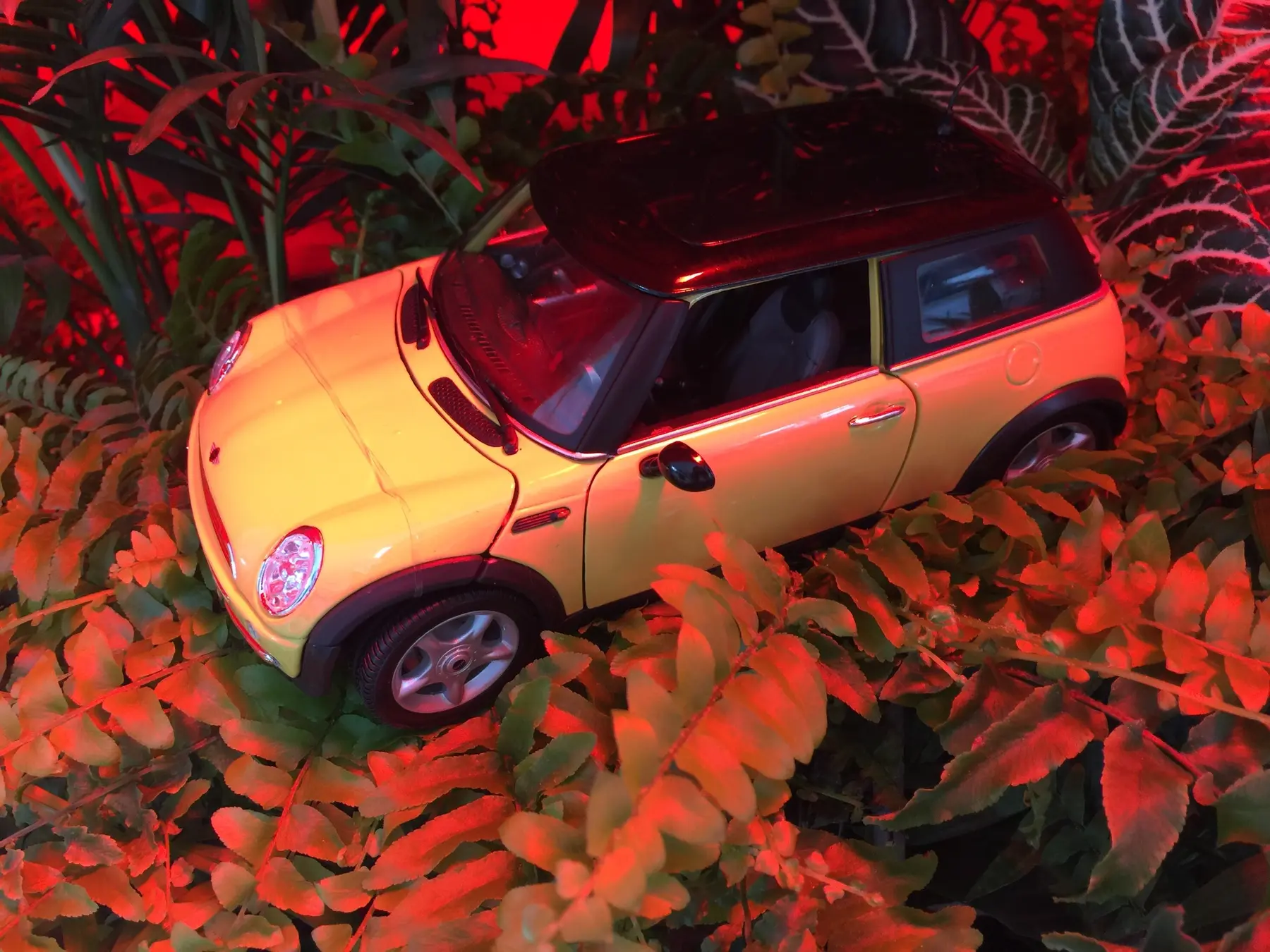
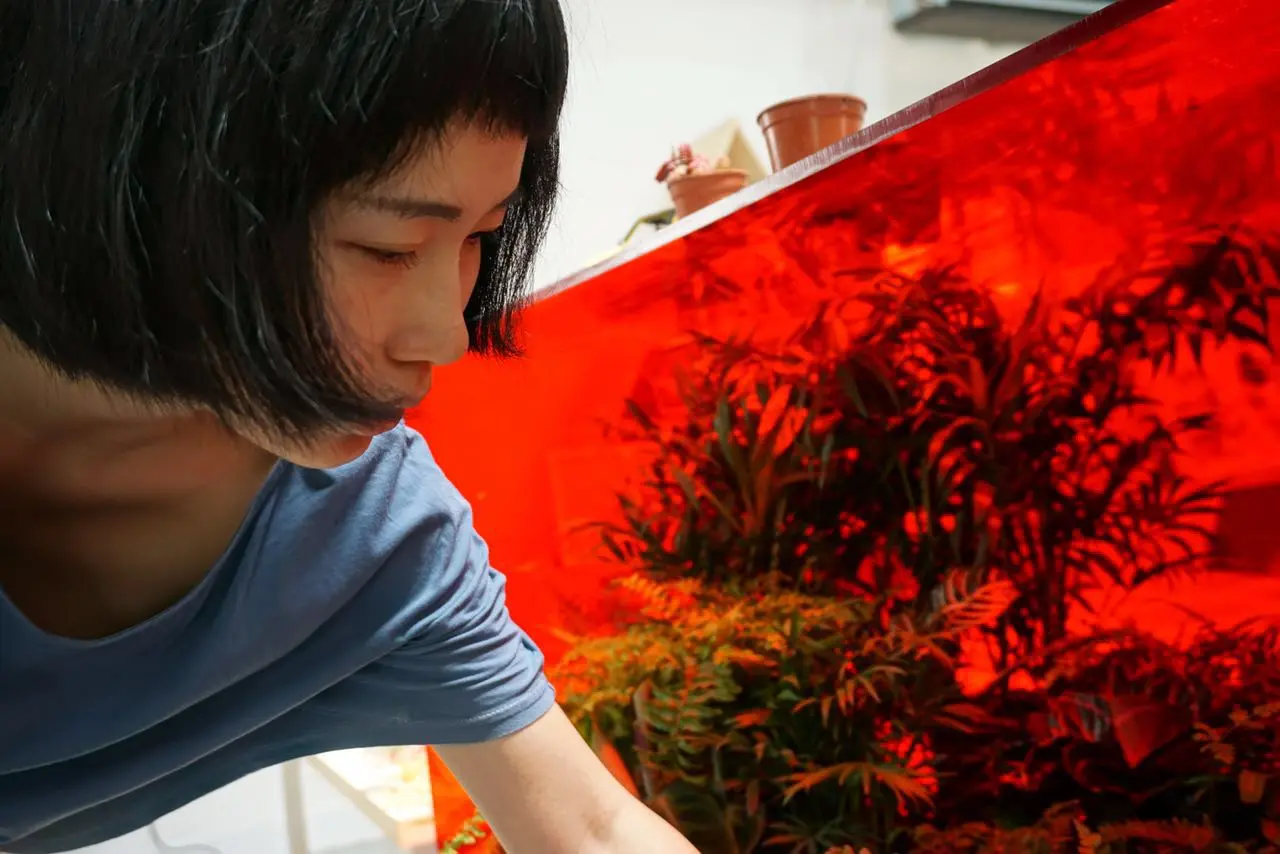
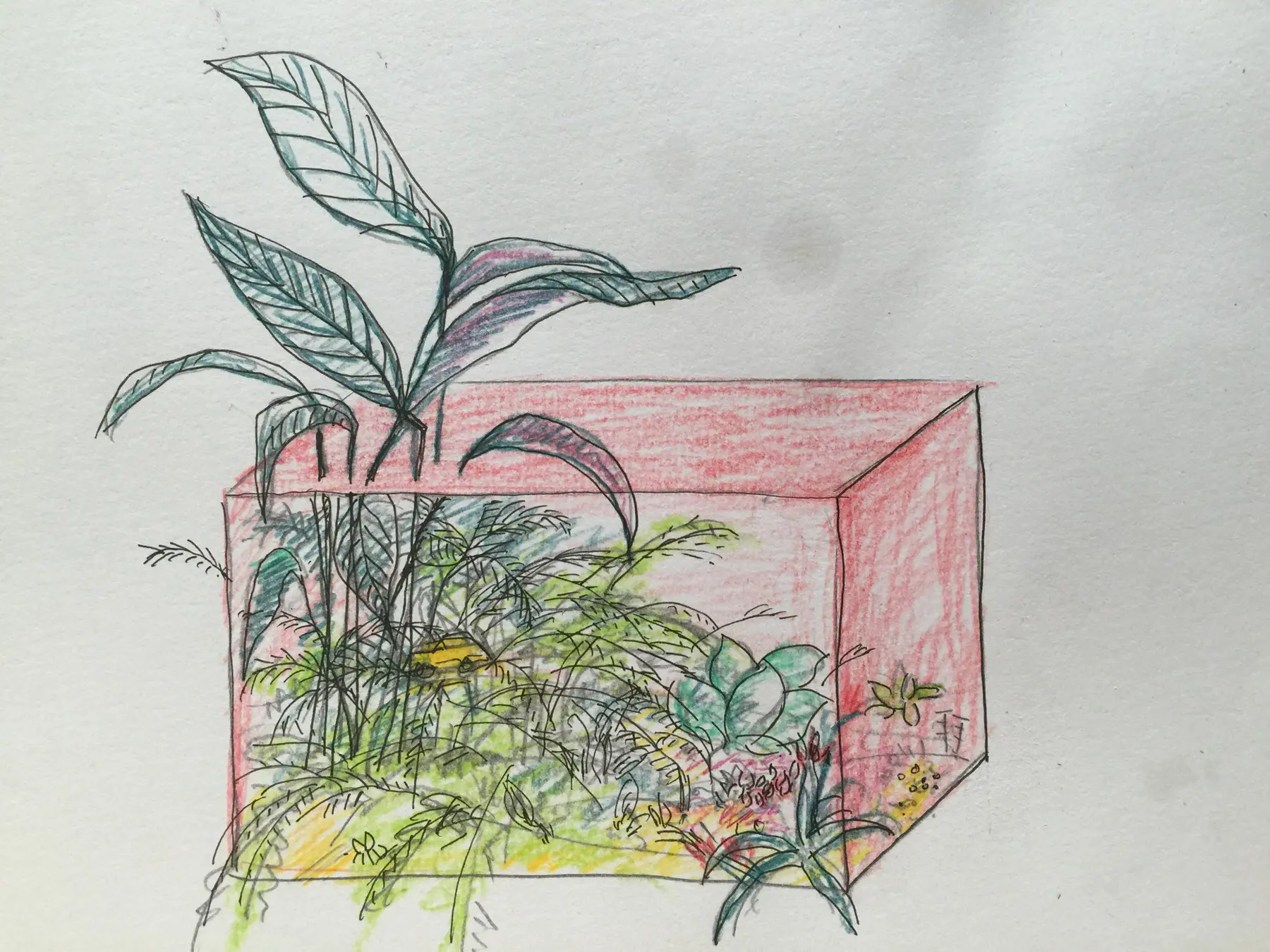
We bring these rooms, plants, drawings, lights and red objects together as a material constellation. They do not need to collapse into one finished artwork; their recurrence lets one image ask something of another.

我们把这些空间、植物、绘画、光线与红色物件放在一起,形成一组材料星丛。它们不必被合并成一件完成作品;反复出现的关系,让一张图像能够向另一张图像发问。

READING / 线索

Across the images, living matter and constructed display remain deliberately unstable. Plants are neither pure nature nor decorative props; they expose care, growth, containment and the way an exhibition attempts to organise life without fully controlling it.

在这些图像之间,生命材料与人工陈列保持着有意的不稳定。植物既不是纯粹自然,也不是装饰道具;它们暴露照料、生长、容纳,以及展览试图组织生命却无法完全控制生命的方式。

WHAT WE ARE WORKING THROUGH / 我们正在推进
STARTING POINT / 从这里开始

Living matter changes installation from static display into a temporal obligation: growth, decay, maintenance and containment become part of the form.

生命材料把装置从静态陈列转化为时间义务:生长、衰败、维护与容纳共同构成形式。

WHY IT MATTERS / 为什么重要

The cluster asks how an exhibition can organise living matter without pretending to control growth, decay and care.

该组档案追问:展览如何组织生命材料,同时不假装能够控制生长、衰败与照料。

HOW IT UNFOLDS / 如何展开
  1. Plants move between living participant, material and display convention.

    植物在生命参与者、材料与陈列惯例之间移动。

  2. Light, drawings and objects create a changing ecology of attention.

    光线、绘画与物件形成变化中的注意生态。

  3. Maintenance is part of form because living matter exceeds the opening moment.

    维护属于形式,因为生命材料超出开幕时刻。

WAYS OF WORKING / 工作方式

Installation装置

Living matter生命材料

Spatial composition空间构成

Care and containment照料与容纳

QUESTIONS WE KEEP OPEN / 保持开放的问题
Q

What changes when a plant becomes a participant?

当植物成为参与者,会发生什么?

The installation acquires another rhythm. Growth, thirst, decay and response continue shaping the room after the arrangement appears finished.

装置获得了另一种节奏。生长、缺水、衰败与回应,在陈列看似完成之后仍继续改变空间。

Q

Who maintains the work?

谁在维护作品?

Watering, cleaning, adjusting light and watching for change are not outside the work. Maintenance is one of the ways the installation keeps taking form.

浇水、清理、调整光线与观察变化并不在作品之外。维护本身就是装置继续成形的方式之一。

Q

How does living matter change installation?

生命材料如何改变装置?

It introduces maintenance, growth, decay and contingency. The work no longer ends at arrangement; watering, light, temperature, containment and the ethics of care continue to shape its form.

它引入维护、生长、衰败与偶然性。作品不再终结于陈列:浇灌、光线、温度、容纳与照料伦理持续改变形式。

Read the research essay: Living Matter, Unstable Display
08

Production as Curatorial Practice

制片作为策展实践

Ongoing
PROJECT / 项目

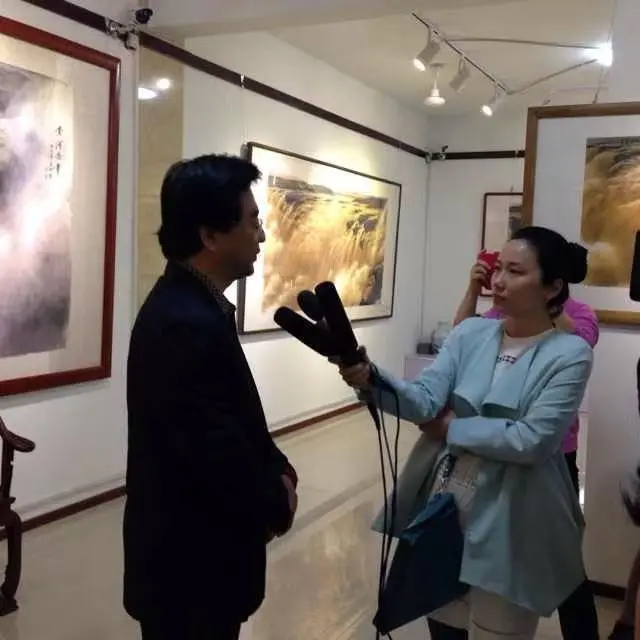
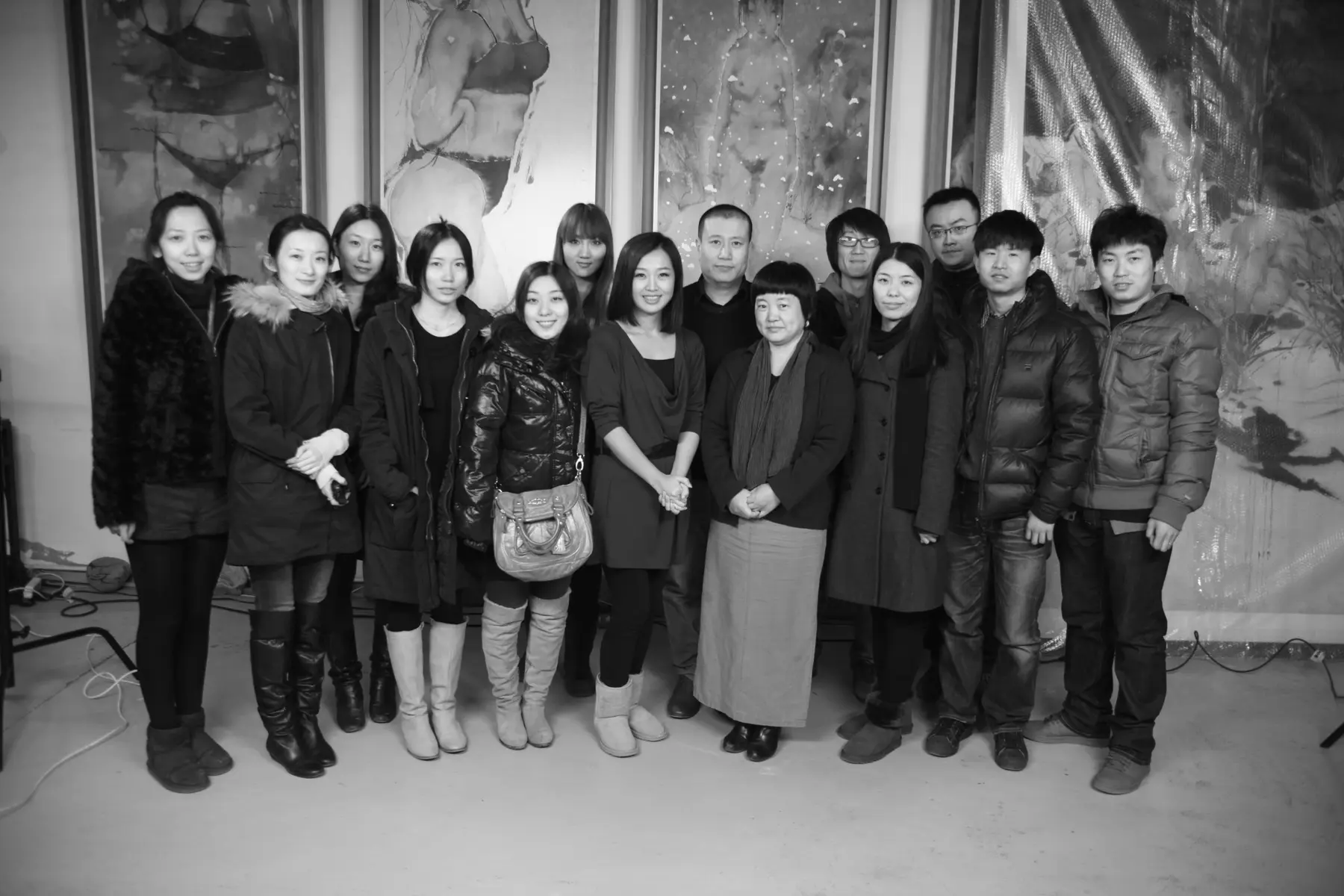
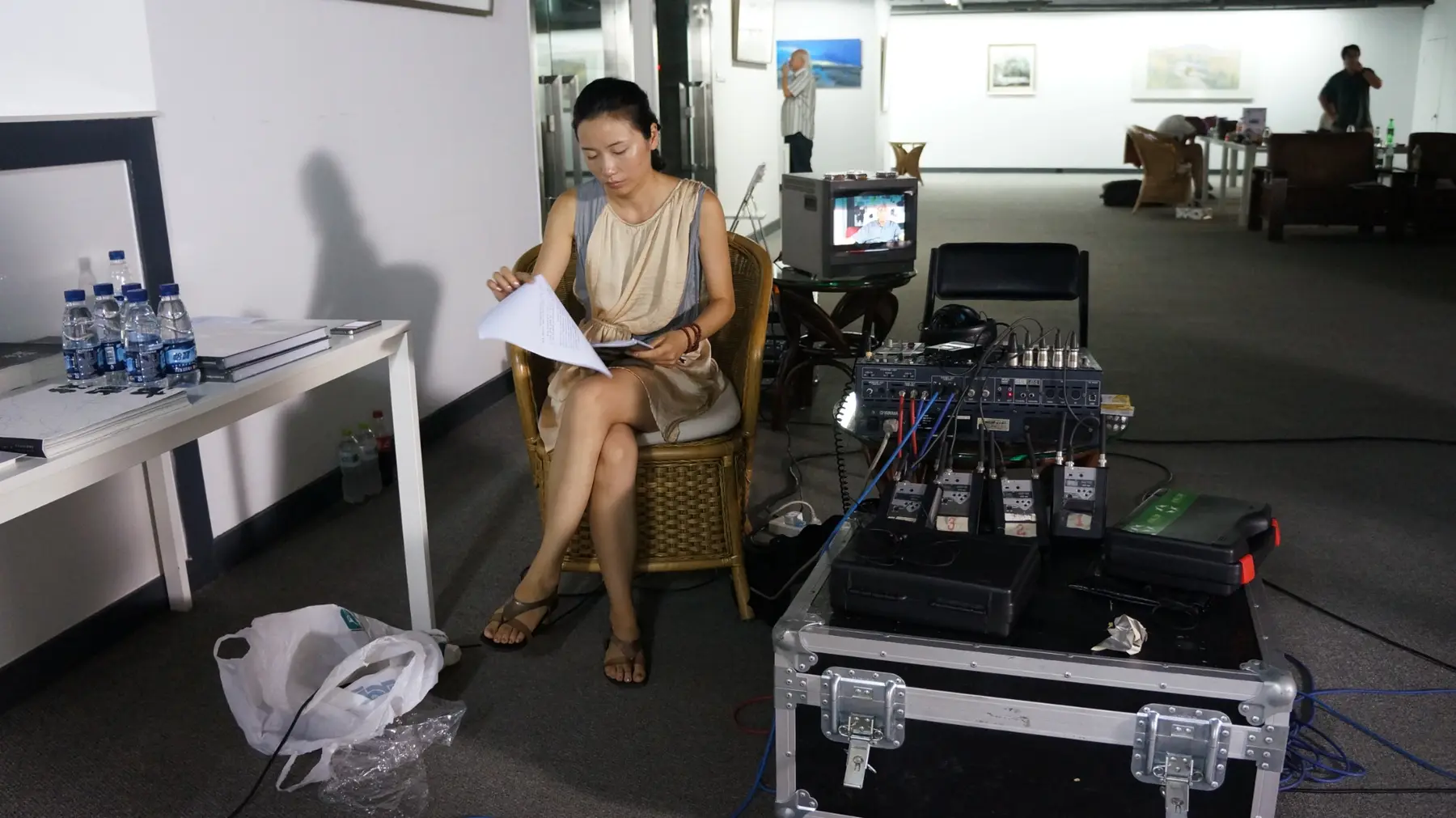
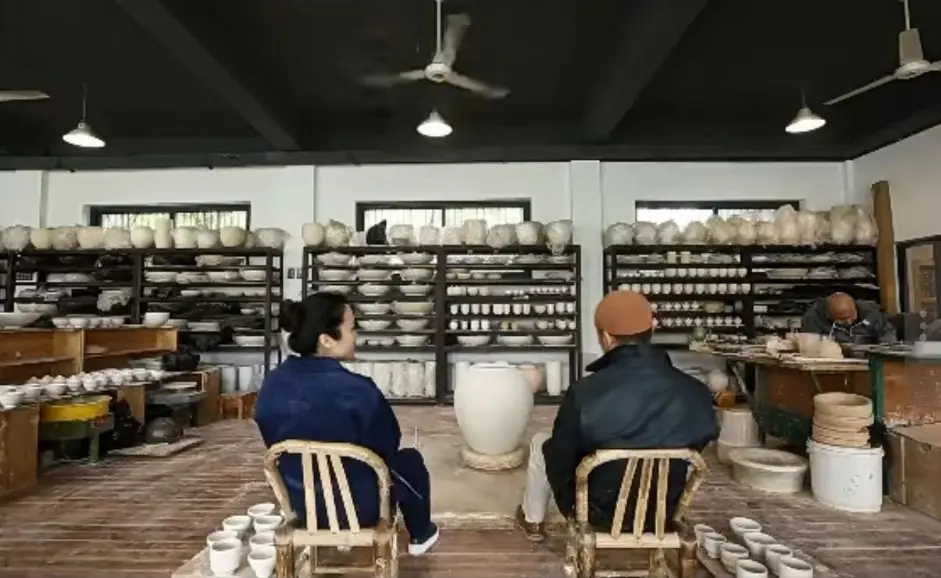
Our production work connects cameras, sound, schedules, access, people and sites. We do not treat this labour as invisible support: production decides whose voice can enter a project, for how long and under what conditions.

我们的制片工作连接镜头、声音、时间表、进入权限、人物与地点。我们不把这些劳动当作隐形支持:制片决定谁的声音能够进入项目、停留多久,以及以什么条件进入。

READING / 线索

Every production decision changes the work. Microphone placement changes what can be heard; scheduling changes whose time is respected; a budget changes which distance can be crossed. Production is where an artistic proposition meets its material and ethical limits.

每个制片决定都会改变作品。麦克风的位置改变什么能够被听见;日程安排改变谁的时间受到尊重;预算改变哪些距离能够被跨越。制片是艺术命题与物质、伦理边界真正相遇的地方。

WHAT WE ARE WORKING THROUGH / 我们正在推进
STARTING POINT / 从这里开始

Infrastructure is where artistic ethics becomes material: access, schedules, sound, budgets and care decide whose reality can enter the work and remain there.

基础设施是艺术伦理获得物质形式的地方:进入、日程、声音、预算与照料决定谁的现实能够进入作品并被保存。

WHY IT MATTERS / 为什么重要

The dossier makes visible how coordination, sound, access, schedules and care determine what a project can know and show.

档案使协调、声音、进入、日程与照料如何决定项目能够知道和展示什么变得可见。

HOW IT UNFOLDS / 如何展开
  1. Access determines whose reality can enter the recording situation.

    进入权限决定谁的现实能够进入记录现场。

  2. Technical placement makes some voices intimate and clear while pushing others to the edge.

    技术位置让某些声音变得亲密清晰,也把另一些声音推向边缘。

  3. Scheduling and resources distribute time, risk and visibility across collaborators.

    日程与资源在合作者之间分配时间、风险与可见性。

WAYS OF WORKING / 工作方式

Producing制片

Sound声音

Access进入

Coordination协调

Ethics of visibility可见性伦理

QUESTIONS WE KEEP OPEN / 保持开放的问题
Q

Can logistics carry an artistic argument?

后勤与协调能够承载艺术论证吗?

Yes. Logistics distributes time, attention, risk and visibility. When those distributions are consciously composed, production becomes one of the places where the work thinks.

可以。后勤工作分配时间、注意、风险与可见性;当这些分配被有意识地编排,制片就成为作品进行思考的场所之一。

Q

How is production different from invisible support?

制片与隐形支持有什么区别?

Support becomes curatorial when its decisions are recognised as part of form: who is invited, whose time is protected, which sound is recorded, what risk is accepted and which relation remains possible.

当支持性决定被承认为形式的一部分时,制片就获得策展性:邀请谁、保护谁的时间、记录何种声音、承担什么风险,以及让哪些关系保持可能。

Q

What does a producer decide before filming begins?

开机之前,制片已经决定了什么?

Who can enter, whose time is protected, how trust is built, what can be afforded and which risks are shared. These choices shape the film before the first frame exists.

谁能够进入、谁的时间受到保护、信任如何建立、哪些成本可以承担,以及风险由谁共同分担。这些选择在第一帧出现之前就已经塑造影片。

Read the position essay: Production Is Where the Work Thinks