Moving Image

03 / WU—LIAO

We treat the interview as moving image: voice, gesture, place and an unfinished thought remain visible together.

我们把访谈当作动态影像:声音、姿态、现场与尚未完成的思考同时留在画面里。

The archive currently gathers 149 public films and short records. Nine selected conversations open into longer readings below.

149films and short records
部影片与短记录
09selected close readings
组重点阅读
08long-form papers
篇长篇论文

Each selected film continues through a proposition, an artistic reading, an open question and a path into related people, texts and projects.
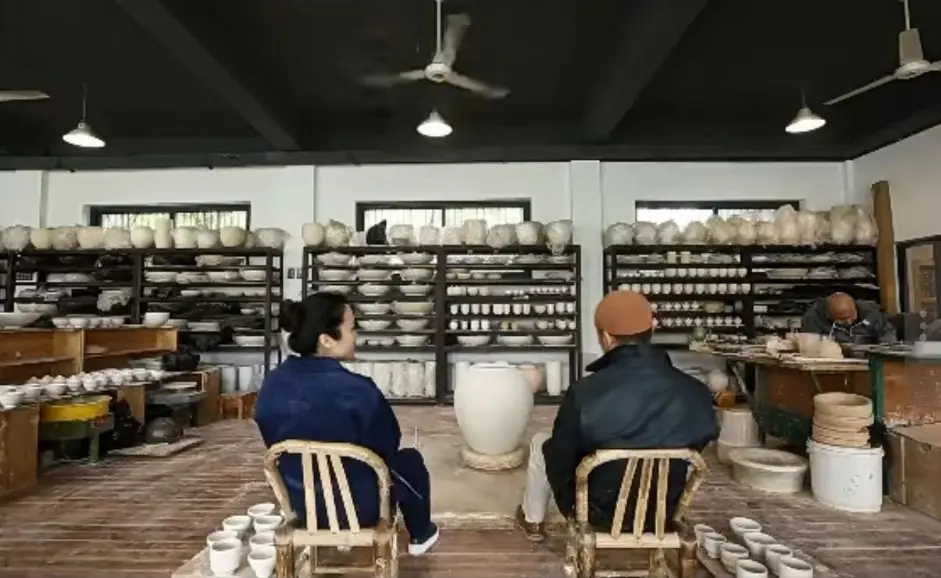
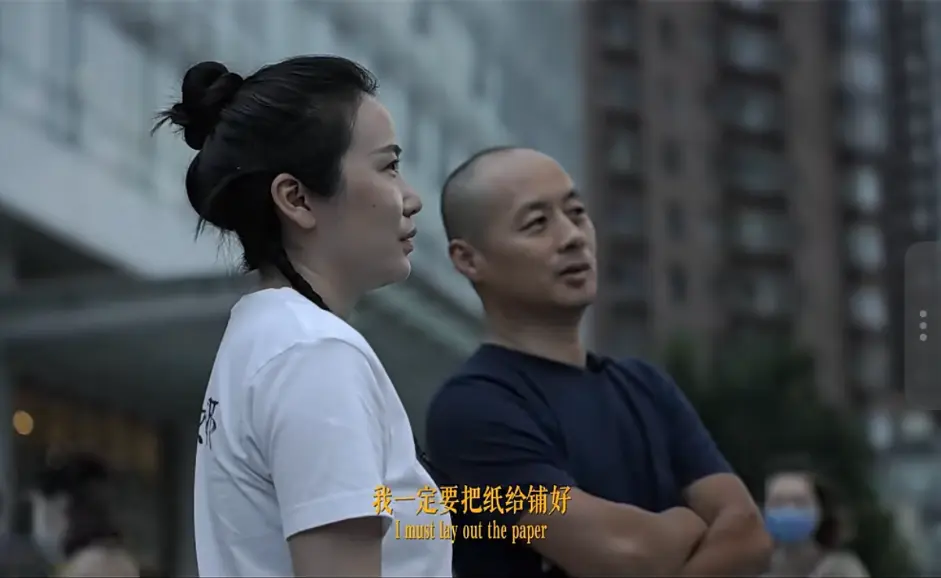
FIVE RESEARCH PATHS / 五条研究路径

Enter the archive through a question rather than a format.

从一个问题进入档案,而不只从媒介分类进入。

A
Judgement and Legitimacy判断与正当性
49
B
Technique, Discipline and Time技巧、训练与时间
66
C
Learning and the Production of Knowledge学习与知识生产
122
D
Tradition and the Contemporary传统与当代
50
E
Selfhood, Existence and Adaptation自我、存在与适应
68
FRAME CONSTELLATIONS / 画面关系组

Images return under different questions.

同一批画面在不同问题下重新发生关系。

A

Judgement and Legitimacy

判断与正当性

Open path →
Ceramics and the authority to name
01Ceramics and the authority to name陶瓷与命名的权力
The face inside accelerated time
02The face inside accelerated time加速时间中的面孔
Judgement assembled in public
03Judgement assembled in public在公共现场生成的判断
Material before explanation
04Material before explanation解释之前的材料
B

Technique, Discipline and Time

技巧、训练与时间

Open path →
Rhythm as shared discipline
01Rhythm as shared discipline作为共同训练的节奏
Reading inside irreversible time
02Reading inside irreversible time不可逆时间中的朗读
Gesture held at archival scale
03Gesture held at archival scale以档案尺度保留动作
Equipment organises duration
04Equipment organises duration设备组织持续时间
C

Learning and the Production of Knowledge

学习与知识生产

Open path →
Learning through a shared table
01Learning through a shared table在共同工作桌上学习
A public situation takes shape
02A public situation takes shape公共情境正在成形
Childhood memory in a lived environment
03Childhood memory in a lived environment生活环境中的童年记忆
The screen interrupts the lesson
04The screen interrupts the lesson屏幕打断既定课程
D

Tradition and the Contemporary

传统与当代

Open path →
Inherited architecture in present use
01Inherited architecture in present use当下使用中的传统建筑
People keep the house in time
02People keep the house in time人让房屋继续留在时间中
Landscape as a field of relation
03Landscape as a field of relation作为关系场的景观
Tradition spoken in the present
04Tradition spoken in the present在当下被说出的传统
E

Selfhood, Existence and Adaptation

自我、存在与适应

Open path →
Selfhood between body and screen
01Selfhood between body and screen身体与屏幕之间的自我
Plant intelligence and the limits of analogy
02Plant intelligence and the limits of analogy植物智能与类比的边界
A body exposed to the site
03A body exposed to the site暴露于现场的身体
Living matter exceeds the display
04Living matter exceeds the display生命材料超出陈列
QUESTIONS IN MOTION / 移动中的问题

A question leaves one conversation and returns somewhere else.

01

Conversation Produces Public Knowledge

对话生产公共知识

When does an interview cease to be content and become an artistic research form?

访谈何时不再只是内容,而成为一种艺术研究形式?

Read the argument / 阅读论证 →
02

Adaptation Is an Ambivalent Politics

适应是一种矛盾政治

Can the ability to survive changing conditions also erase the capacity to sense and refuse them?

适应变化环境的生存能力,是否也会抹去感知与拒绝环境的能力?

Read the argument / 阅读论证 →
03

The Self Has No Single Location

自我没有单一位置

What becomes possible when brain, heart, breath and attention are treated as competing models rather than a factual quiz?

当大脑、心、呼吸与注意被视为竞争性的解释模型,而不是知识问答时,会发生什么?

Read the argument / 阅读论证 →
04

A Medium Is Also an Institution

媒介也是一种制度

Who decides whether an unfamiliar material gesture is knowledge, experiment or error?

谁来决定一种陌生的材料动作是知识、实验,还是错误?

Read the argument / 阅读论证 →
05

Internationalism Requires Translation

国际性需要翻译

How can a work cross borders without converting difference into a universal style?

作品如何跨越边界,同时不把差异转化为一种普遍风格?

Read the argument / 阅读论证 →
06

Boredom Interrupts Compulsory Usefulness

无聊中断强制性的有用

Can unproductive time become a method for recovering attention?

非生产性时间能否成为重新获得注意力的方法?

Read the argument / 阅读论证 →
07

Education Begins Before Judgement

教育开始于判断之前

Can art education cultivate perceptual access instead of reproducing authorised taste?

艺术教育能否建立感知入口,而不是复制被授权的品味?

Read the argument / 阅读论证 →
08

The Face Is a Platform Event

面孔是一场平台事件

What does a portrait record when visibility is accelerated, measured and repeatedly replaced?

当可见性被加速、计量并不断替换时,肖像究竟记录什么?

Read the argument / 阅读论证 →
09

A Site Is an Active Historical Relation

地点是活跃的历史关系

How can landscape and architecture enter an argument without becoming picturesque evidence?

景观与建筑如何进入论证,而不沦为风景化证据?

Read the argument / 阅读论证 →
10

Production Is Where the Work Thinks

制片是作品进行思考的地方

Can logistics, care and infrastructure carry an artistic argument?

后勤、照料与基础设施能够承载艺术论证吗?

Read the argument / 阅读论证 →
01SOURCE / DOUYIN
这个时代的面孔是什么? — Ma Jinghu × Wu Qian / 马精虎 × 吴倩

Image, Time and Society

The Face of an Era

这个时代的面孔是什么?

The conversation approaches the face as an historical sign: every period produces recognisable gestures, symbols and forms of visibility. It asks how accelerated circulation changes what a contemporary face can register.

对话把“面孔”理解为一种历史符号:每个时期都会生产可辨识的姿态、图像与可见性形式,并进一步追问——在快速迭代与传播中,当代的面孔还能记录什么?

Ma Jinghu × Wu Qian / 马精虎 × 吴倩WU—LIAO moving-image conversation · DY 7416971268454354188
SAME-SOURCE FRAME SEQUENCE / 同源影像序列04 FRAMES · DY 7416971268454354188

Four moments sampled from this public moving-image record. We preserve the source ratio and connect each image to a precise turn in our reading.从同一条公开动态影像中选取四个时刻。我们保留原始比例,并把每幅画面连接到阅读中的具体转折。

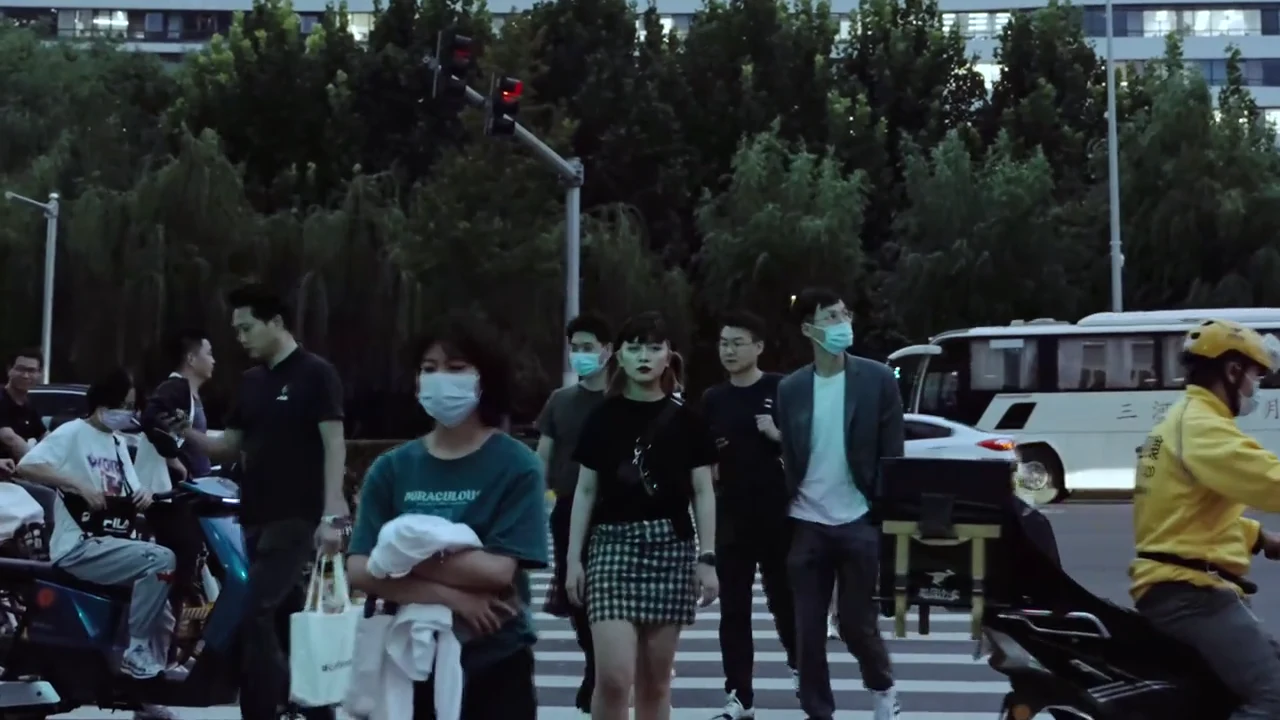
The Face of an Era: The public face at 00:21
01 / 00:21The public face公共面孔

We begin in a street crossing, where the face appears within a moving crowd rather than as an isolated portrait.

我们从街口的人群开始:面孔首先存在于移动的群体中,而不是一幅孤立肖像。

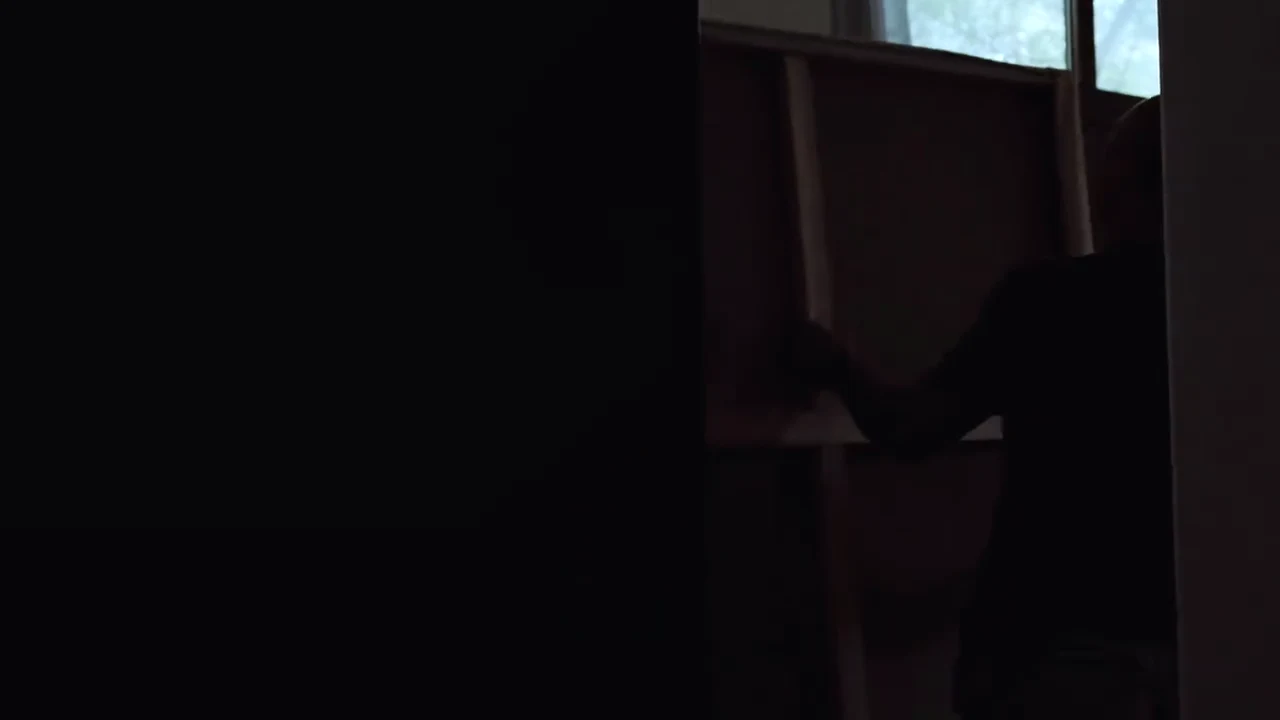
The Face of an Era: A threshold withholds at 01:23
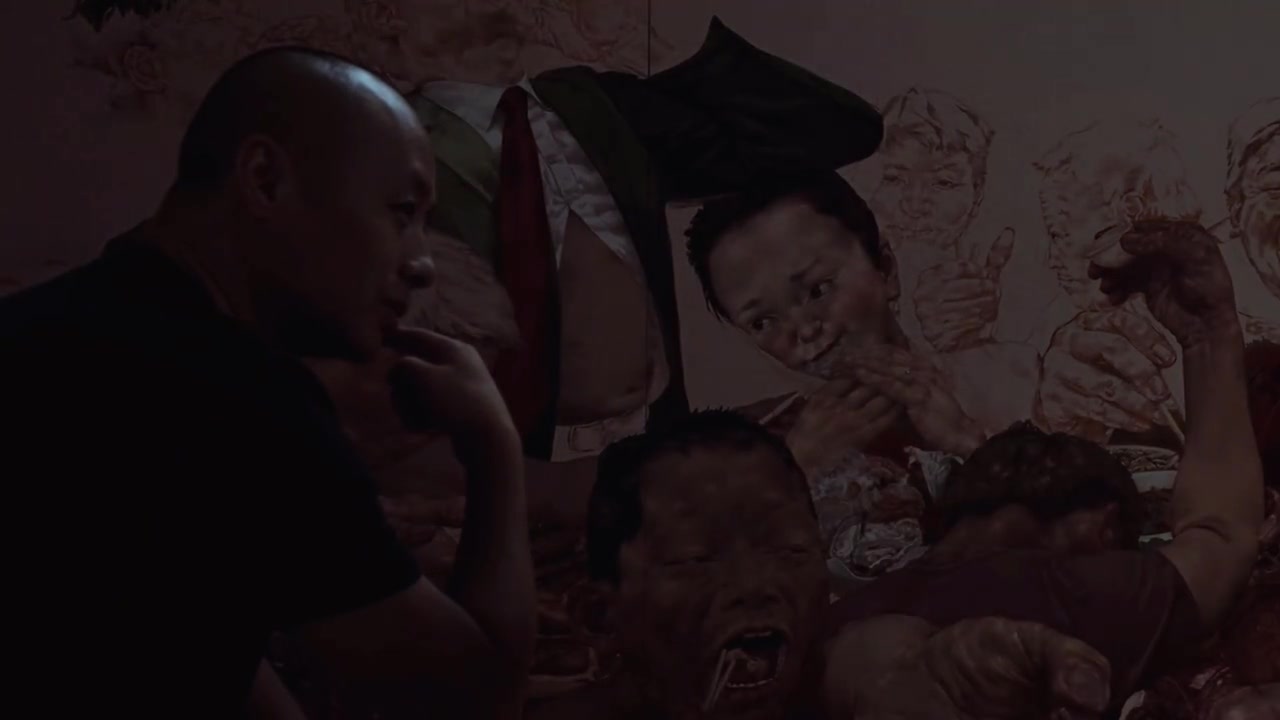
02 / 01:23A threshold withholds门槛与遮蔽

A dark interior interrupts easy recognition and turns visibility into a question of access, distance and concealment.

昏暗的室内打断了轻易的辨认,使可见性转化为关于进入、距离与遮蔽的问题。

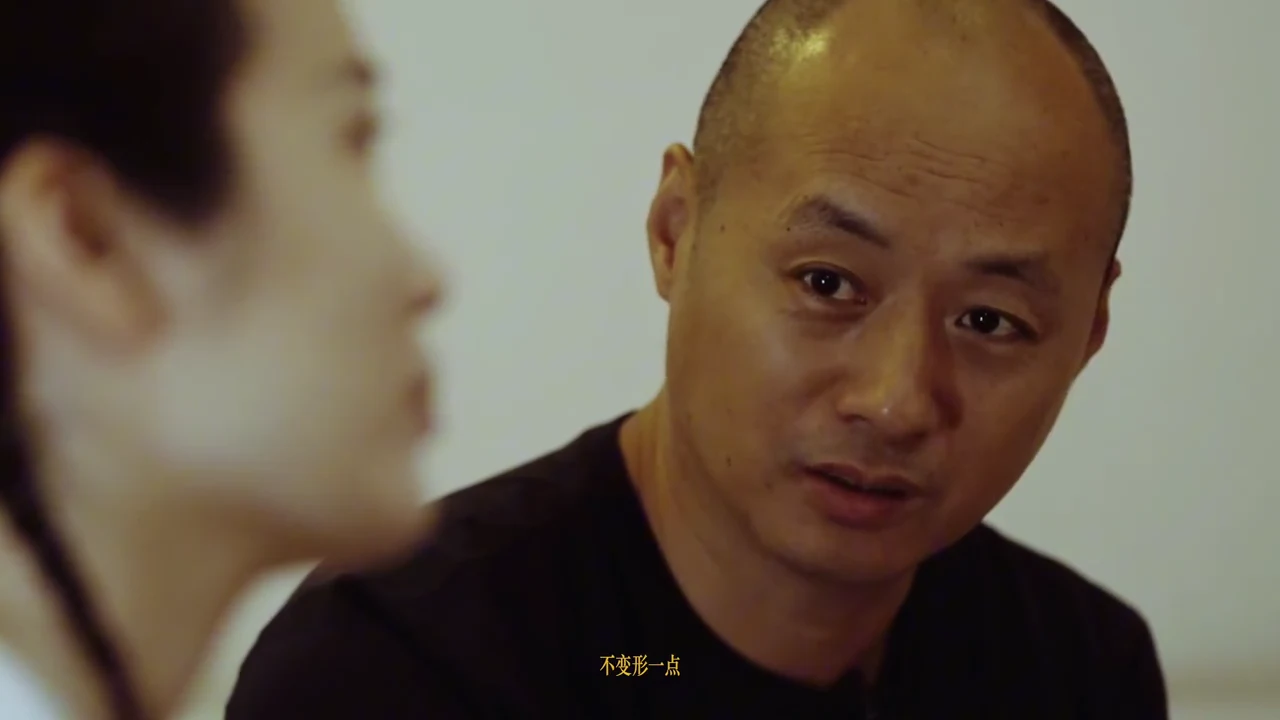
The Face of an Era: Portrait as address at 02:31
03 / 02:31Portrait as address肖像作为面对

The close-up shifts the record from an anonymous social field to one speaker, one gaze and the duration of an answer.

近景把记录从匿名的社会场域转向一个说话者、一次注视与一段回答的时长。

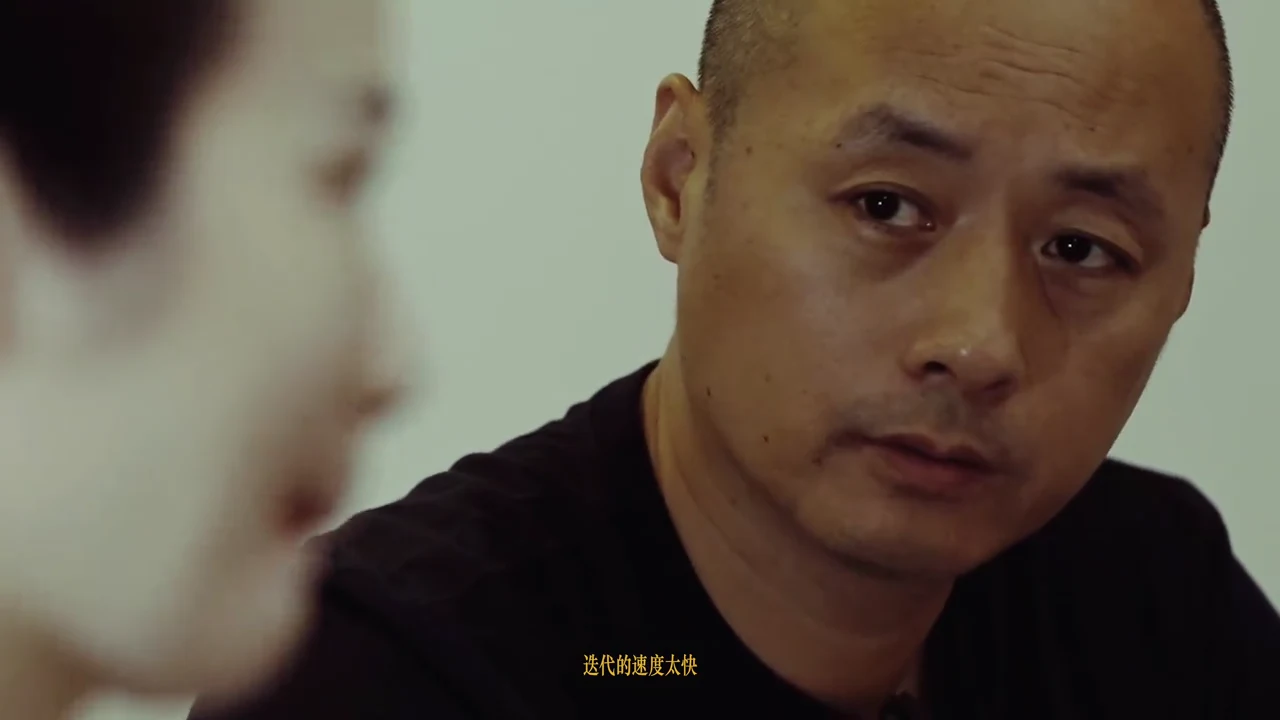
The Face of an Era: Recognition takes time at 03:39
04 / 03:39Recognition takes time辨认需要时间

A change in gaze and pause keeps the filmed face from settling into a single emblem of its era.

目光与停顿的细微变化,使镜头中的面孔无法被固定为某个时代的单一标志。

OUR READING / 我们的阅读

Central thesis / 核心论点

A face is not only a biological surface; it is an historical interface made by image technologies, social expectations and the speed at which signs circulate.

面孔并不只是生理表面,而是由图像技术、社会期待与符号传播速度共同塑造的历史界面。

Argument sequence / 论证链

  1. The face is socially produced, not merely represented.面孔不仅被再现,也被社会关系生产。
  2. Acceleration changes the duration of recognisable cultural signs.加速改变了文化符号能够被识别和停留的时间。

Artistic reading / 艺术解读

The phrase ‘face of an era’ shifts portraiture away from resemblance. What matters is not whether an image looks like one person, but which pressures become visible through posture, styling, repetition and public circulation. Under platform conditions, the contemporary face may become more visible while retaining less duration: it is recognised instantly and replaced just as quickly.

“时代的面孔”把肖像从相似性问题移开。重要的不再是图像是否像某个人,而是哪些压力通过姿态、造型、重复与公共传播显现出来。在平台环境中,当代面孔可能获得更高可见度,却拥有更短的停留时间:它被瞬间识别,也被瞬间替换。

From our practice / 回到我们的实践

For us, the interview portrait is a document of time. The camera records not only a speaker but also the visual codes and media conditions through which that person becomes publicly legible.

对我们而言,访谈肖像是一份时间文献。镜头记录的不只是说话者,也包括一个人得以被公共识别的视觉编码与媒介条件。

Q

Can one image represent an era?

一张面孔能够代表一个时代吗?

No single image can stand in for everyone. Its value lies in revealing the systems that make certain faces, gestures and identities more visible than others.

没有一张面孔能够代表所有人。它的价值在于揭示:哪些系统使某些面孔、姿态与身份比另一些更容易被看见。

02SOURCE / DOUYIN
植物的本能 — Zheng Jiang × Wu Qian / 郑江 × 吴倩

Instinct, Civilisation and Adaptation

Plant Instinct

植物的本能

Plants become a counterpoint for thinking about human instinct. The exchange opposes neither nature and civilisation nor wildness and culture in a simple way; it asks whether the human talent for adaptation also makes the loss of instinct and selfhood easier.

对话借植物反观人的本能。它并不简单对立自然与文明、野蛮与文化,而是追问:人类更强的适应能力,是否也让本能与自我的丧失变得更容易?

Zheng Jiang × Wu Qian / 郑江 × 吴倩WU—LIAO moving-image conversation · DY 7423379255054077218
SAME-SOURCE FRAME SEQUENCE / 同源影像序列04 FRAMES · DY 7423379255054077218

Four moments sampled from this public moving-image record. We preserve the source ratio and connect each image to a precise turn in our reading.从同一条公开动态影像中选取四个时刻。我们保留原始比例,并把每幅画面连接到阅读中的具体转折。

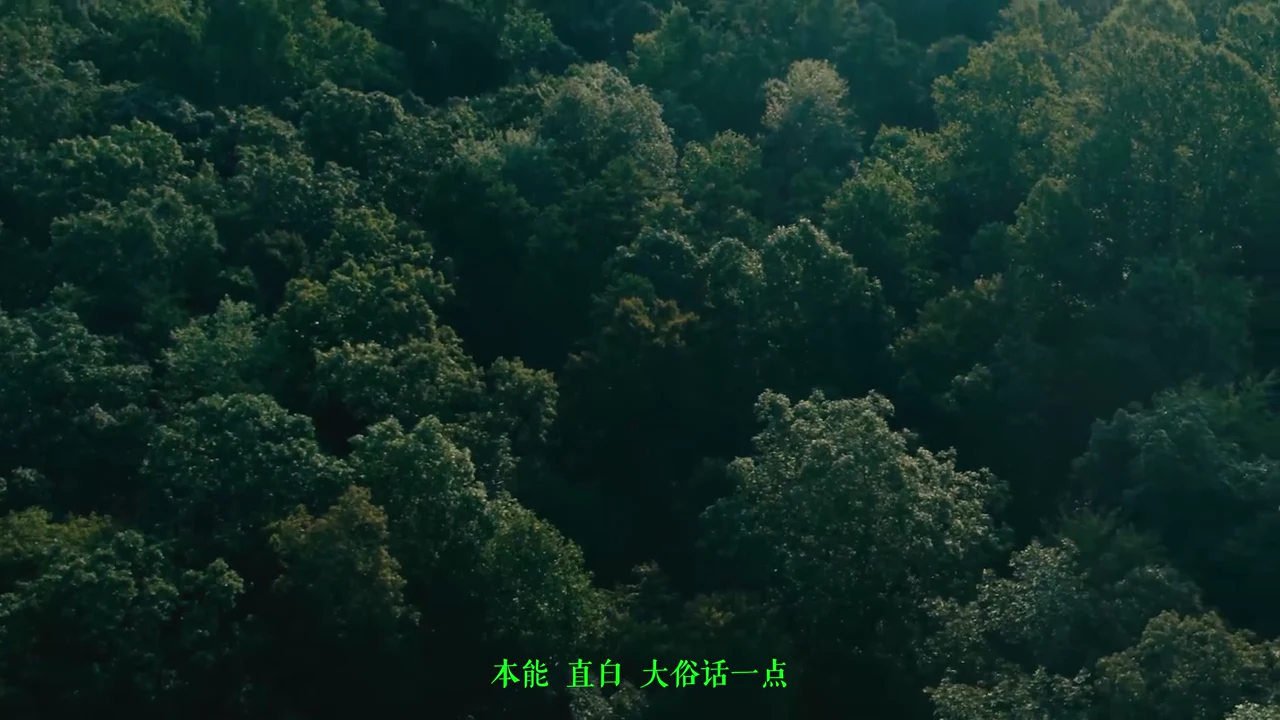
Plant Instinct: Before the human voice at 00:05
01 / 00:05Before the human voice在人声之前

The film opens at the scale of a forest canopy, placing ecological density before the human explanation that follows.

影片先从森林冠层的尺度开始,把生态密度放在人类解释之前。

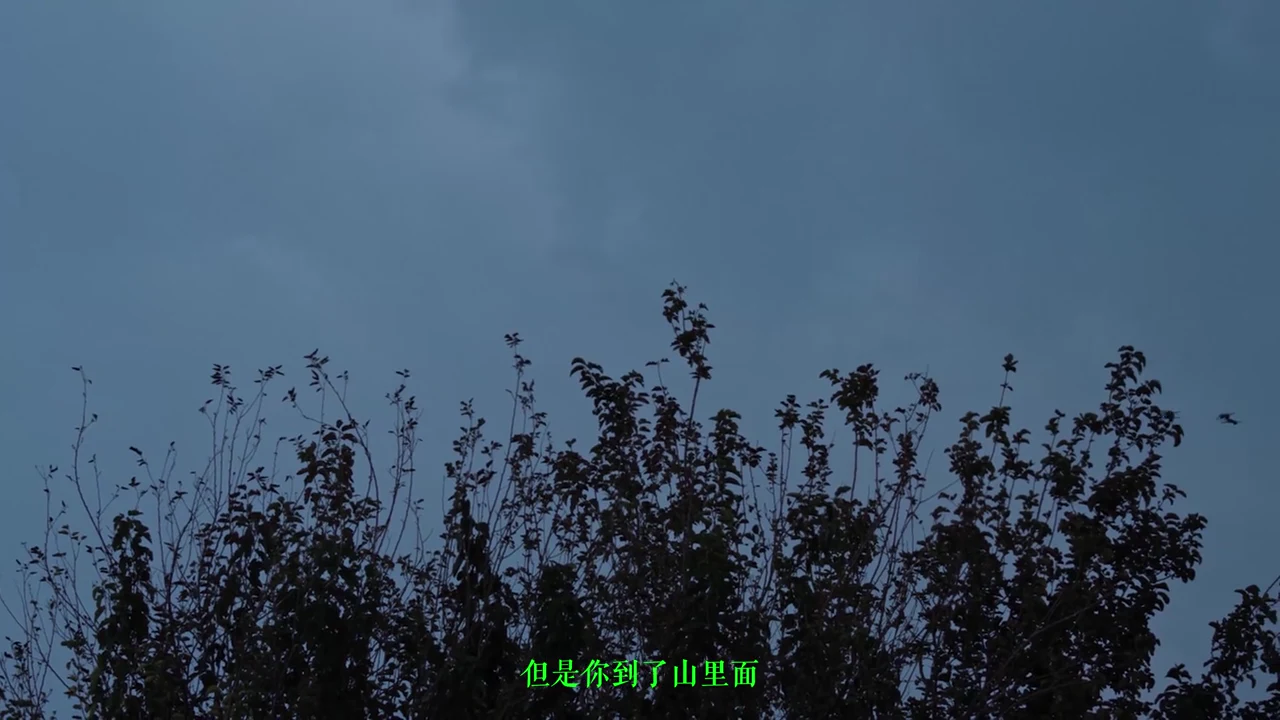
Plant Instinct: Growth as orientation at 00:19
02 / 00:19Growth as orientation生长作为方向

Branches against the sky make plant life legible through direction, exposure and response rather than through a human face.

天空前的枝条以方向、暴露与回应呈现植物生命,而不是借助人的面孔。

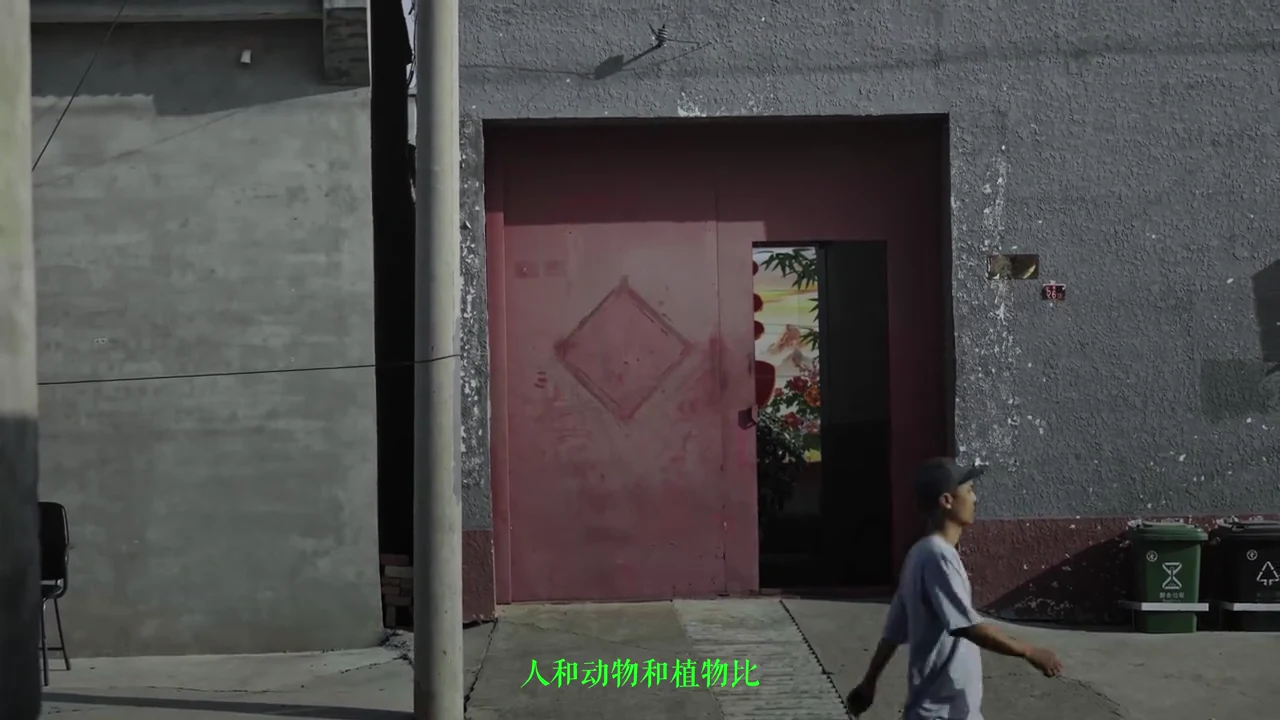
Plant Instinct: The built threshold at 00:35
03 / 00:35The built threshold建造的门槛

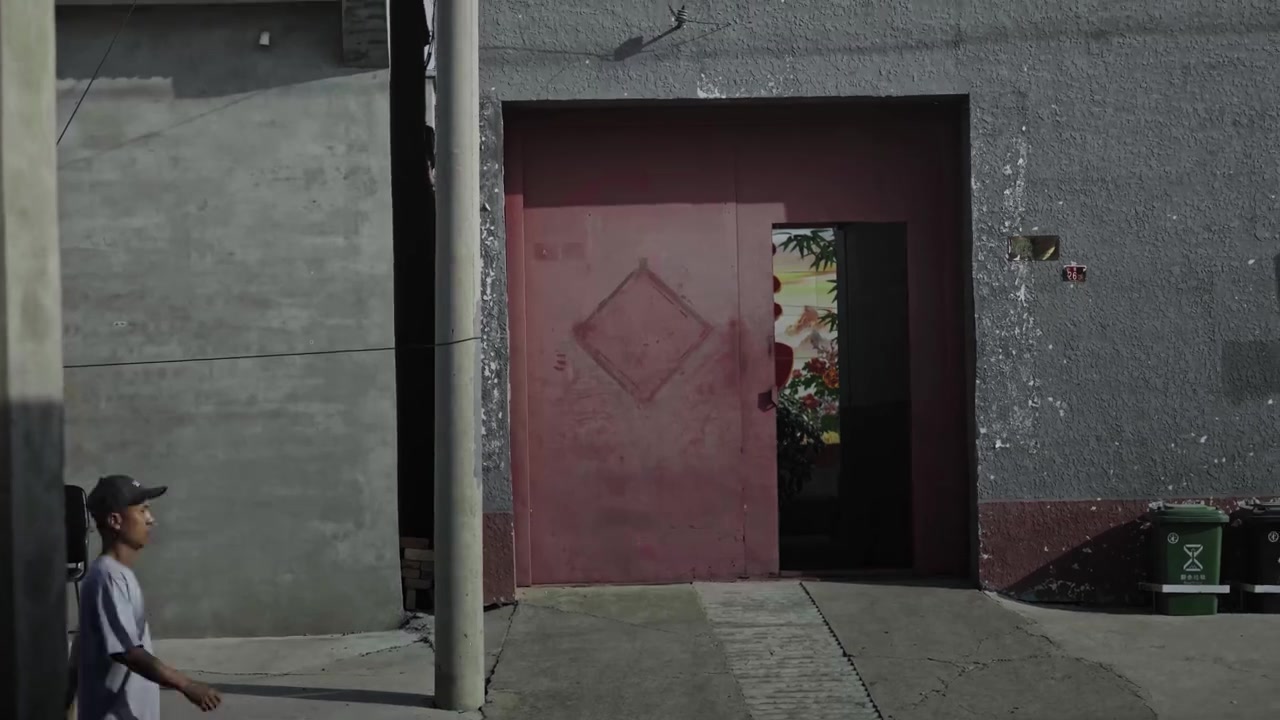
A passage beside a red doorway places ecological thought next to the architectures and routines that organise human life.

红色门洞旁的行走,让生态思考与组织人类生活的建筑和日常并置。

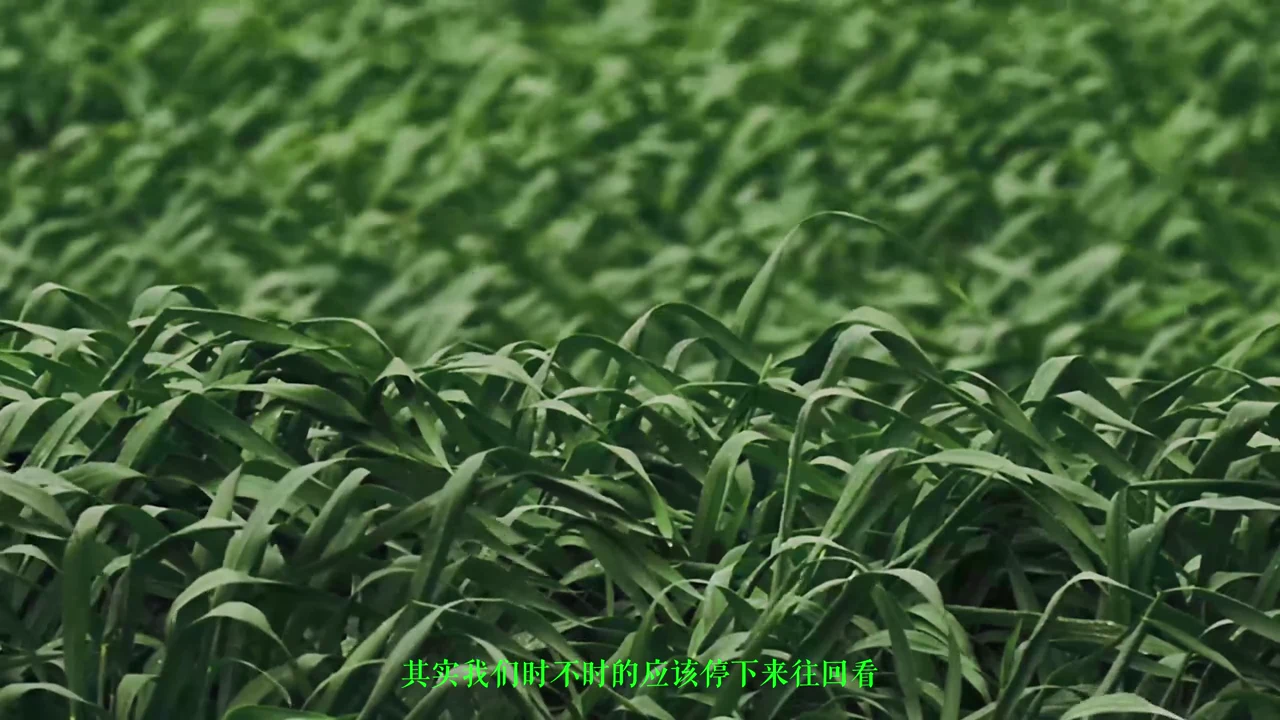
Plant Instinct: Attention returns to grass at 00:50
04 / 00:50Attention returns to grass注意回到草叶

The closing detail refuses the plant as metaphor alone; texture, multiplicity and ordinary growth remain materially present.

结尾的草叶细节拒绝让植物只成为隐喻;质地、复数状态与日常生长仍以物质方式在场。

OUR READING / 我们的阅读

Central thesis / 核心论点

Adaptability protects life, yet an unlimited capacity to adapt can also make the loss of instinct and agency almost invisible.

适应能力能够保护生命,但无限适应也可能让本能与主体性的丧失变得难以察觉。

Argument sequence / 论证链

  1. Adaptability is an ambivalent capacity.适应能力是一种具有双重性的能力。
  2. Urban civilisation can distance perception from ecological conditions.城市文明可能使感知远离具体生态条件。
  3. Instinct can be approached as situated knowledge rather than primitive impulse.本能可以被理解为在地知识,而非原始冲动。

Artistic reading / 艺术解读

The plant is not used as a decorative metaphor for purity. It becomes another model of intelligence—one distributed across soil, weather, season and form. The conversation reverses the usual hierarchy in which civilisation is advanced and instinct is primitive: sensitivity to conditions may itself be a complex knowledge that urban life trains people to ignore.

植物并非被当作纯洁自然的装饰性隐喻,而成为另一种智能模型——它分布在土壤、天气、季节与形态之间。对话由此反转“文明先进、本能原始”的惯常等级:对具体条件保持敏感,本身可能是一种复杂知识,而城市生活正在训练人忽略它。

From our practice / 回到我们的实践

We often ask a concrete, apparently simple object to carry a larger philosophical problem. The conversation does not illustrate a theory written in advance; the thought is assembled through comparison, hesitation and movement between disciplines.

我们常让一个具体、看似简单的对象承担更大的哲学问题。对话并非说明预先写好的理论;思想是在比较、迟疑与跨学科移动中逐步形成的。

Q

Is returning to instinct a rejection of civilisation?

回到本能是否等于拒绝文明?

No. The argument is not nostalgic. It asks how civilisation could recover sensitivity to environments without inventing an untouched nature that never existed.

不是。这一论证并不怀旧,而是在追问:文明如何重新获得对环境的敏感,同时不虚构一个从未存在过的纯净自然。

03SOURCE / DOUYIN
致命的适应能力 — WU—LIAO source record / 无不吴聊资料

City, Instinct and the Loss of Self

The Fatal Adaptability

致命的适应能力

The conversation treats adaptation as potentially fatal. A wild seed disperses through a form shaped by wind and distance; in the city, the same plant can lose that capacity. Human beings likewise adapt to accelerating social rhythms, but adaptation may become self-erasure.

对话把适应理解为一种可能“致命”的能力。野生种子以被风和距离塑造的结构完成传播;进入城市后,同一种植物可能逐渐失去这种能力。人也不断适应加速的社会节奏,但适应最终可能转化为自我抹除。

WU—LIAO source record / 无不吴聊资料WU—LIAO moving-image conversation · DY 7442164994202029363
SAME-SOURCE FRAME SEQUENCE / 同源影像序列04 FRAMES · DY 7442164994202029363

Four moments sampled from this public moving-image record. We preserve the source ratio and connect each image to a precise turn in our reading.从同一条公开动态影像中选取四个时刻。我们保留原始比例,并把每幅画面连接到阅读中的具体转折。

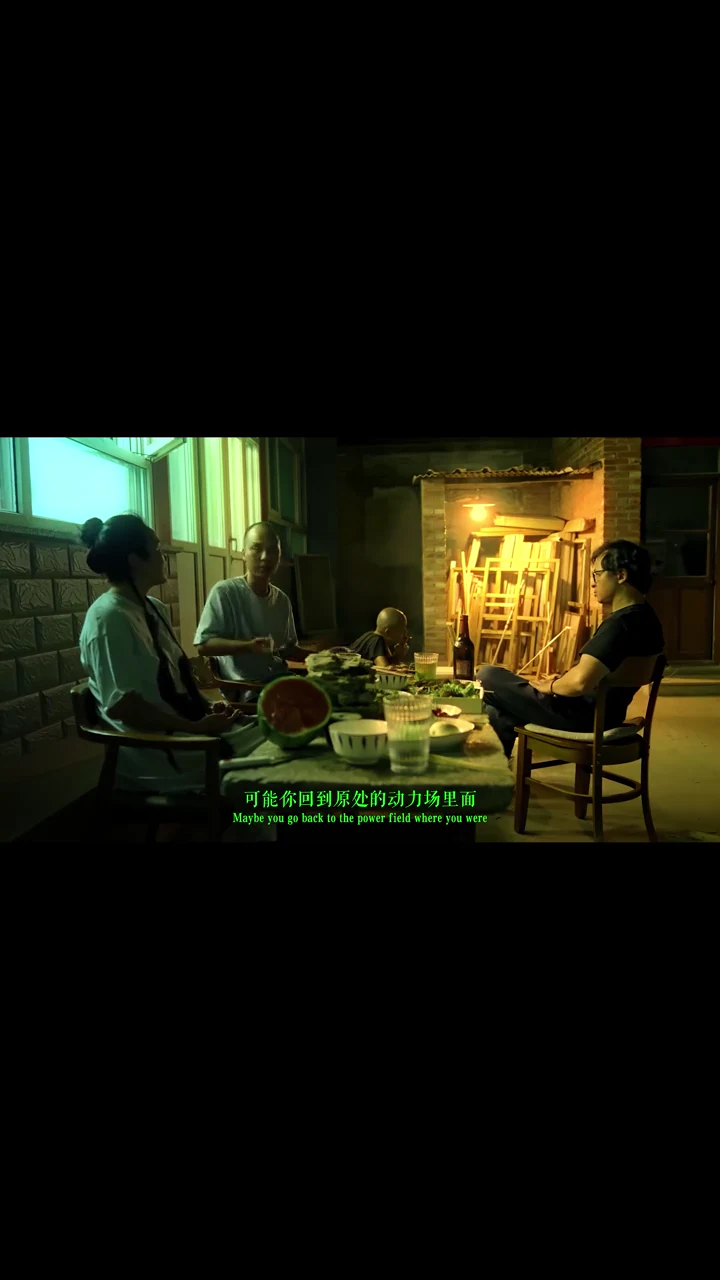
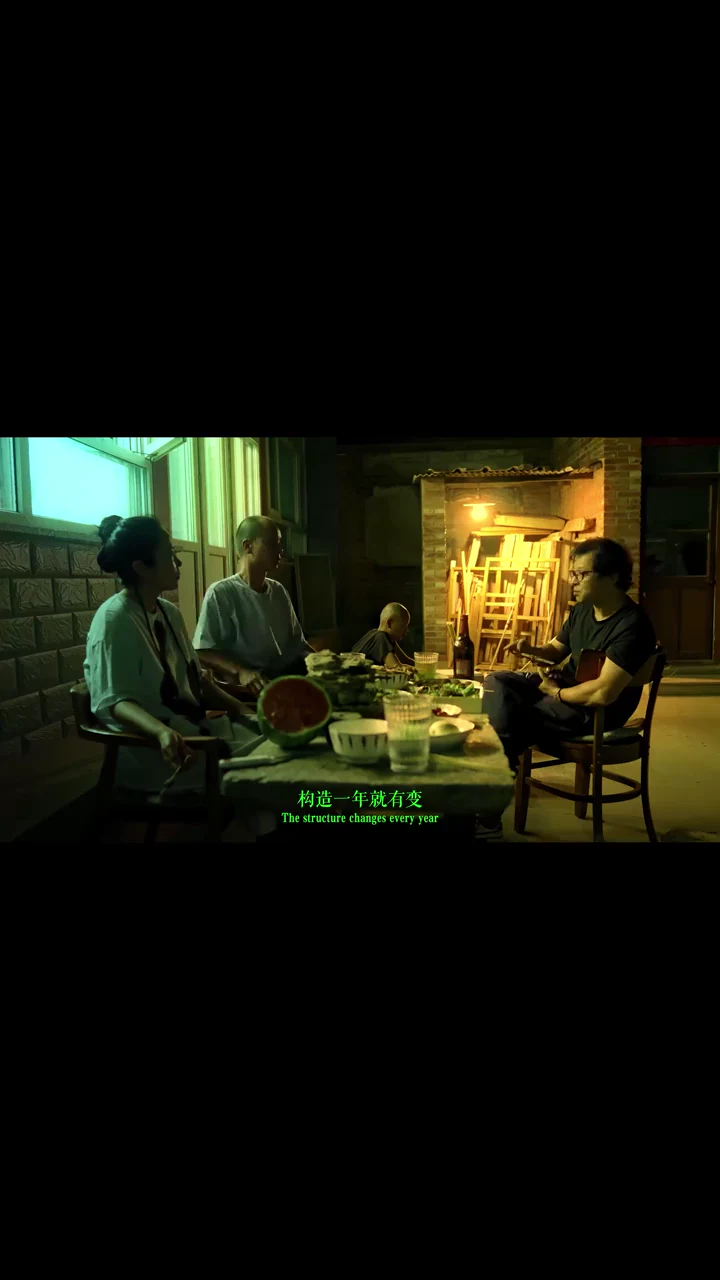
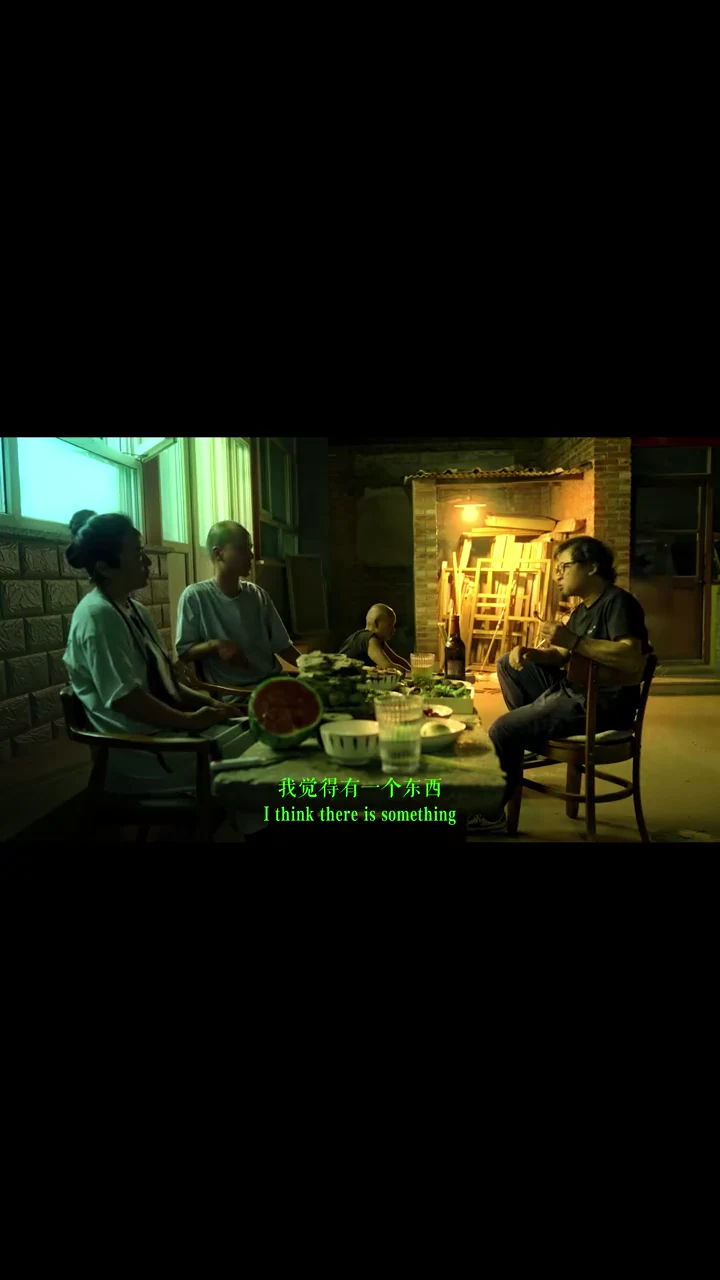
The Fatal Adaptability: A shared table at 00:29
01 / 00:29A shared table一张共同的桌子

We enter through a meal and a group situation: the question of adaptation is spoken from within ordinary social life.

我们从一顿饭与群体现场进入:关于适应的问题在日常社会生活内部被说出。

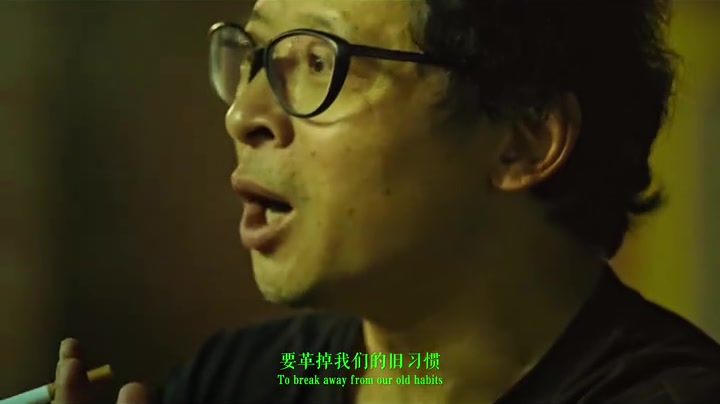
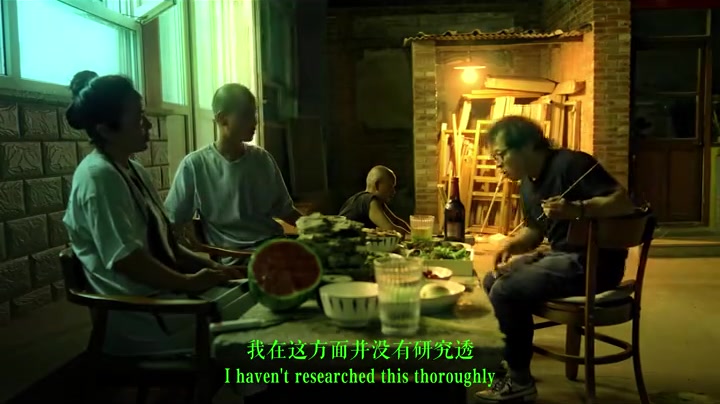
The Fatal Adaptability: Argument in gesture at 01:55
02 / 01:55Argument in gesture手势中的论证

Hands, posture and interruption carry part of the argument that subtitles alone cannot preserve.

手势、身体姿态与打断承担了字幕无法独自保存的那部分论证。

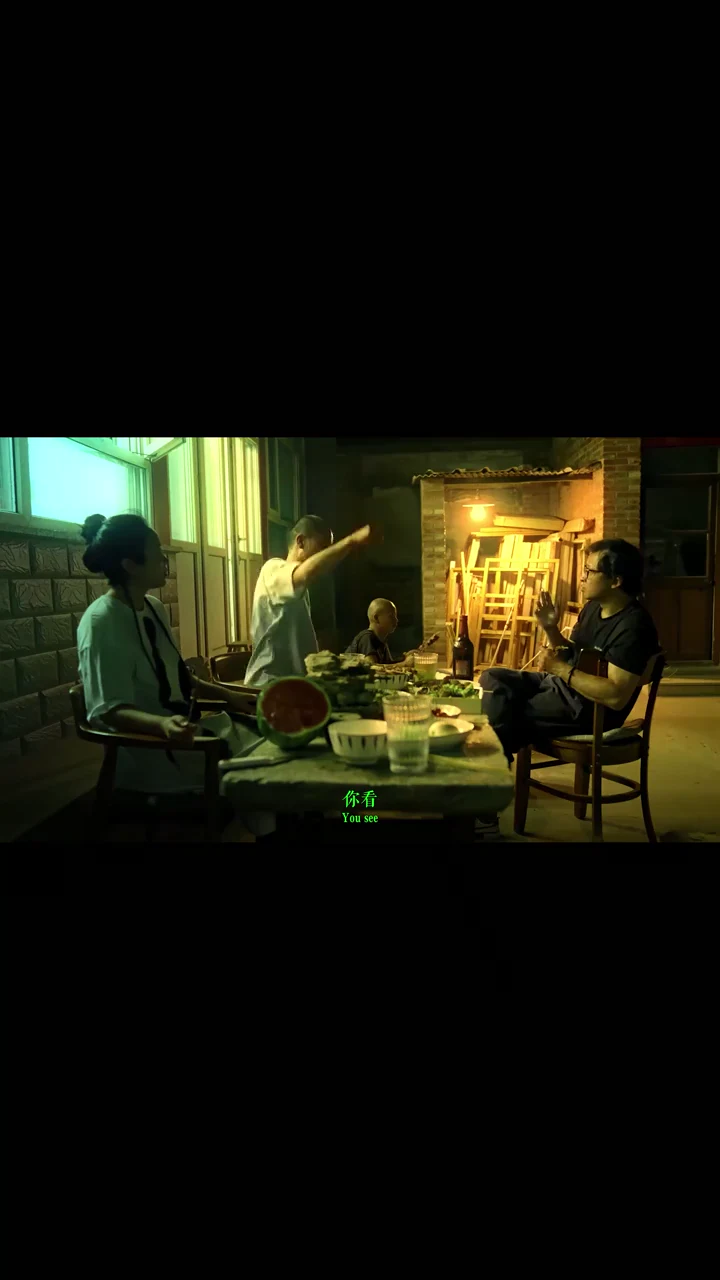
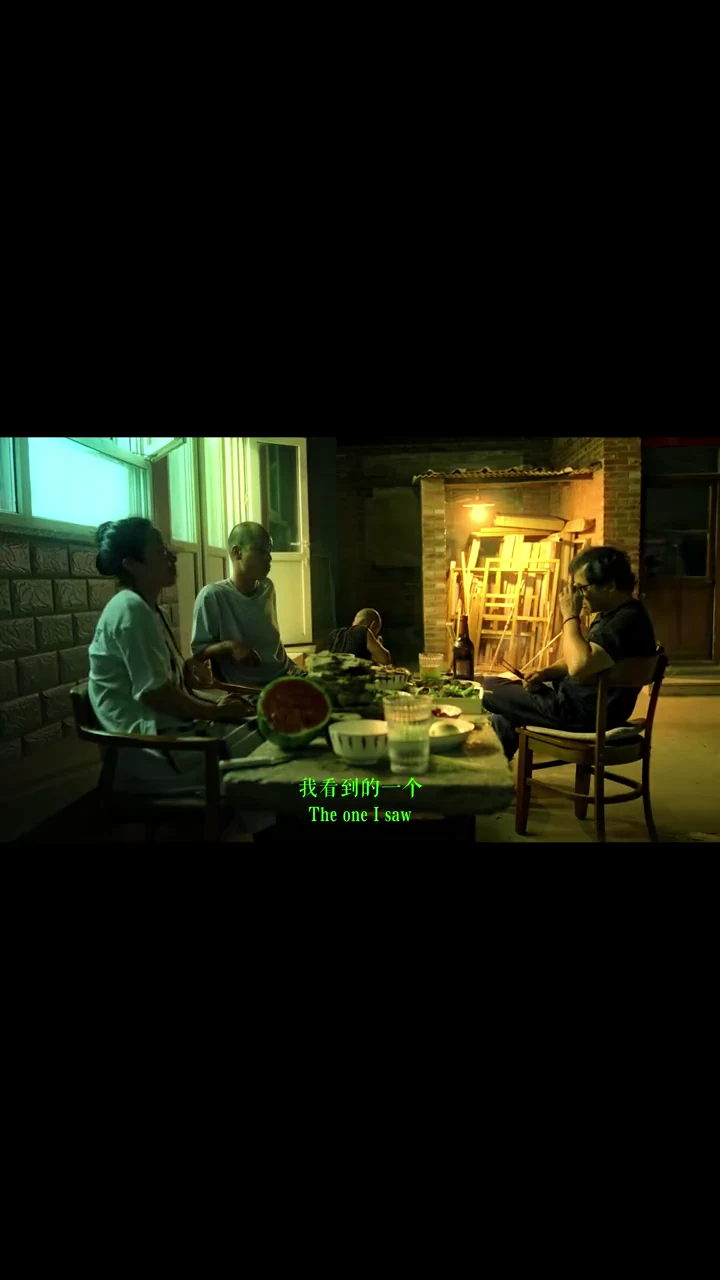
The Fatal Adaptability: The body changes the field at 03:28
03 / 03:28The body changes the field身体改变现场

A standing movement briefly alters the geometry of the table and makes adaptation visible as a bodily negotiation with space.

一次起身的动作短暂改变了桌边的几何关系,让适应显现为身体与空间之间的协商。

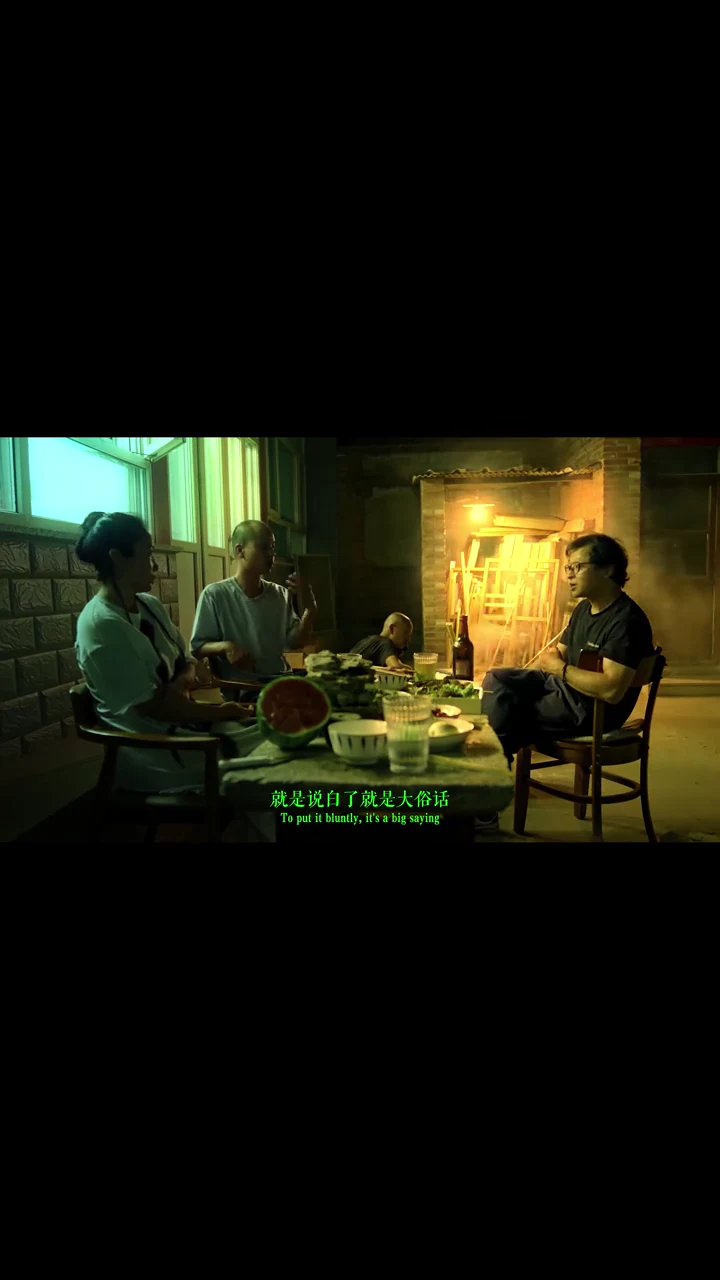
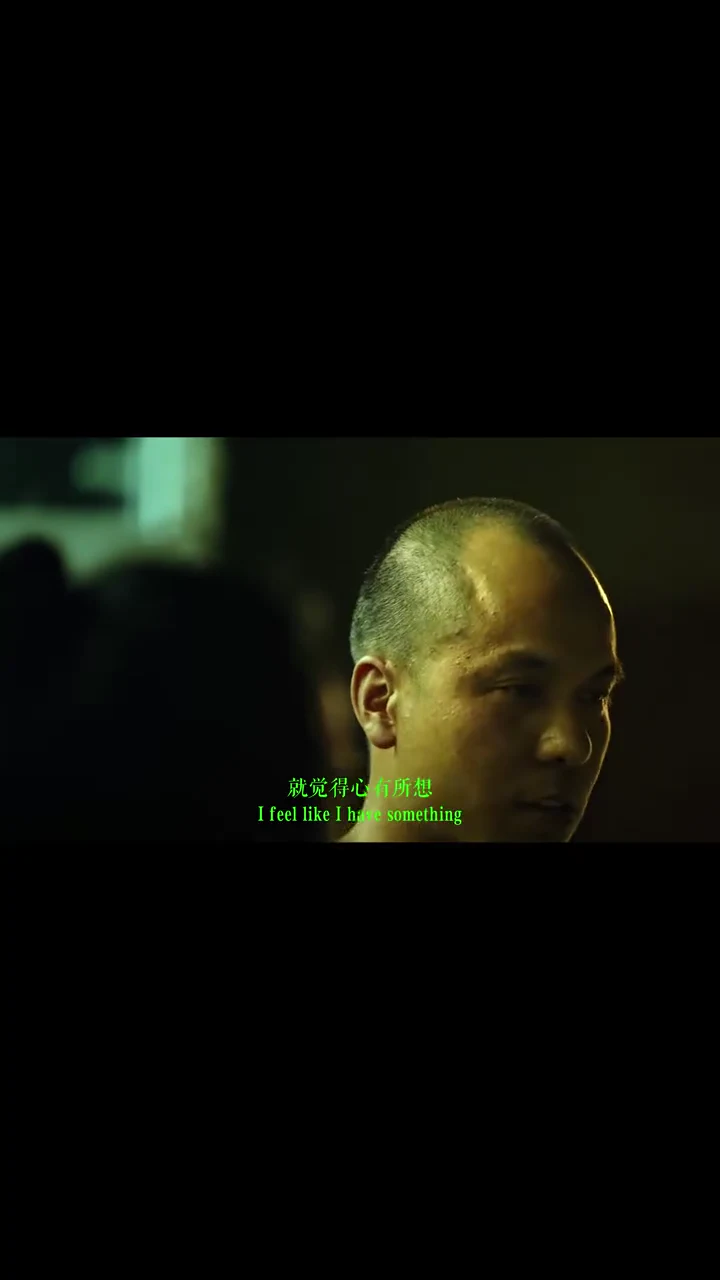
The Fatal Adaptability: No solitary conclusion at 05:01
04 / 05:01No solitary conclusion没有孤立的结论

The group remains in view, holding the proposition inside a relation rather than assigning it to one authoritative speaker.

群体仍留在画面中,使论点停留在关系之内,而不是被归给某个唯一权威的说话者。

OUR READING / 我们的阅读

Central thesis / 核心论点

When adaptation becomes compulsory, resilience can change from a capacity for survival into a technique of self-erasure.

当适应成为强制要求,“韧性”可能从生存能力转化为自我抹除的技术。

Argument sequence / 论证链

  1. Progress is not identical with increased complexity or spectacle.进步并不等同于复杂度或视觉奇观的增加。
  2. Environment reorganises form, behaviour and memory.环境会重组形式、行为与记忆。
  3. Adaptation without agency can become a loss of self.缺乏主体性的适应可能转化为自我丧失。

Artistic reading / 艺术解读

The seed's aerodynamic form supplies a material argument: morphology holds a history of wind, distance and survival. Once the environment changes, the capacity encoded in that form can weaken. The same structure is then carried into social life, where speed and technological novelty are often called progress even when they reduce memory, difference and agency.

种子的空气动力学形态提供了一项材料论证:形态保存着风、距离与生存的历史。当环境改变,编码在形态中的能力也可能衰退。对话随后把同一结构带入社会生活——速度与技术新奇经常被称为进步,即使它们正在削弱记忆、差异与主体性。

From our practice / 回到我们的实践

We shift scale—from a seed to a city, from plant morphology to social discipline—and hold the transition open until a familiar virtue, adaptability, becomes ethically unstable.

我们转换尺度:从种子到城市,从植物形态到社会规训,并让这一转换保持开放,直到“适应”这项熟悉的美德重新变得伦理上不稳定。

Q

Why call adaptability fatal?

为什么说适应能力可能是致命的?

Because survival is not identical with agency. A subject may continue to function while losing the capacity to sense, refuse or transform the conditions to which it has adapted.

因为生存并不等于主体性。一个主体可以继续运转,却逐渐失去感知、拒绝或改变既定条件的能力。

04SOURCE / DOUYIN
找到目的地,比证明意识在哪更重要 — Zheng Jiang × Wu Qian / 郑江 × 吴倩

Consciousness and Contemporary Art

Destination Before Proof

找到目的地,比证明意识在哪更重要

Rather than locate consciousness securely in brain, heart or breath, the exchange keeps these models in tension. Scientific explanation, embodied language and metaphysical speculation are treated as different regimes of knowledge; the artistic value lies in sustaining the question without forcing premature proof.

对话没有把意识稳固地安置在大脑、心脏或呼吸之中,而是让这些解释保持张力。科学说明、身体语言与形而上推测被视为不同的知识制度;艺术的价值在于维持问题,而不是急于给出证明。

Zheng Jiang × Wu Qian / 郑江 × 吴倩WU—LIAO moving-image conversation · DY 7451965655756164403
SAME-SOURCE FRAME SEQUENCE / 同源影像序列04 FRAMES · DY 7451965655756164403

Four moments sampled from this public moving-image record. We preserve the source ratio and connect each image to a precise turn in our reading.从同一条公开动态影像中选取四个时刻。我们保留原始比例,并把每幅画面连接到阅读中的具体转折。

Destination Before Proof: The question is collective at 00:17
01 / 00:17The question is collective问题由多人展开

A wide view makes consciousness a shared enquiry before it becomes a close-up account by any one participant.

全景先把意识呈现为共同探问,而后才进入某位参与者的近景陈述。

Destination Before Proof: A pause in thought at 01:08
02 / 01:08A pause in thought思考中的停顿

The close-up preserves hesitation and concentration, evidence of thinking that cannot be reduced to a finished claim.

近景保留迟疑与专注,让无法被压缩为完成结论的思考过程成为证据。

Destination Before Proof: Reasoning circulates at 02:02
03 / 02:02Reasoning circulates推理在现场流动

The camera returns to the table as distinctions between brain, heart and purpose move between speakers.

镜头回到桌边,让大脑、心与目的之间的区分在不同说话者之间流动。

Destination Before Proof: A counter-position at 02:57
04 / 02:57A counter-position另一种立场

A second close-up marks the conversation as an exchange of positions, not a visual illustration of one settled theory.

第二个近景表明,这是一场立场交换,而不是对某个既定理论的图解。

OUR READING / 我们的阅读

Central thesis / 核心论点

The value of a question about consciousness may lie less in locating it than in exposing the limits of every system that claims to explain it completely.

意识问题的价值,或许不在于把它定位,而在于暴露每一种自称能够完整解释它的知识系统之边界。

Argument sequence / 论证链

  1. The cultural 'heart' is not reducible to the anatomical heart.文化语境中的“心”不能还原为生理解剖学中的心脏。
  2. Measurement does not exhaust questions of consciousness and death.测量无法穷尽意识与死亡问题。
  3. A meaningful destination can matter more than proving a single location.持续追问的方向,有时比证明唯一位置更重要。

Artistic reading / 艺术解读

Brain, heart and breath appear as different models rather than competing organs in a factual quiz. Scientific measurement, cultural language and lived experience each disclose something, but none can close the question. Contemporary art enters precisely at this gap: it can construct situations in which incompatible explanations remain present without being prematurely reconciled.

大脑、心与呼吸在这里不是知识问答中相互竞争的器官,而是不同解释模型。科学测量、文化语言与生活经验各自揭示一部分事实,却都无法终结问题。当代艺术正是在这一缝隙中发生:它能够建造一种情境,让互不兼容的解释同时在场,而不被过早调和。

From our practice / 回到我们的实践

We use the interview to stay with uncertainty. The guest is not asked to provide a final authority; speech, gesture and pause allow different ways of knowing to remain beside one another.

我们用访谈与不确定性相处。受访者不必提供终极权威;语言、姿态与停顿让不同的认识方式并置存在。

Q

Does this position reject science?

这一立场是否拒绝科学?

No. It refuses only the claim that measurement exhausts lived experience. Scientific explanation remains one necessary layer beside cultural, embodied and metaphysical registers.

不是。它拒绝的只是“测量能够穷尽生活经验”的主张。科学解释仍是必要的一层,但需与文化、身体及形而上的知识层并置。

05SOURCE / DOUYIN
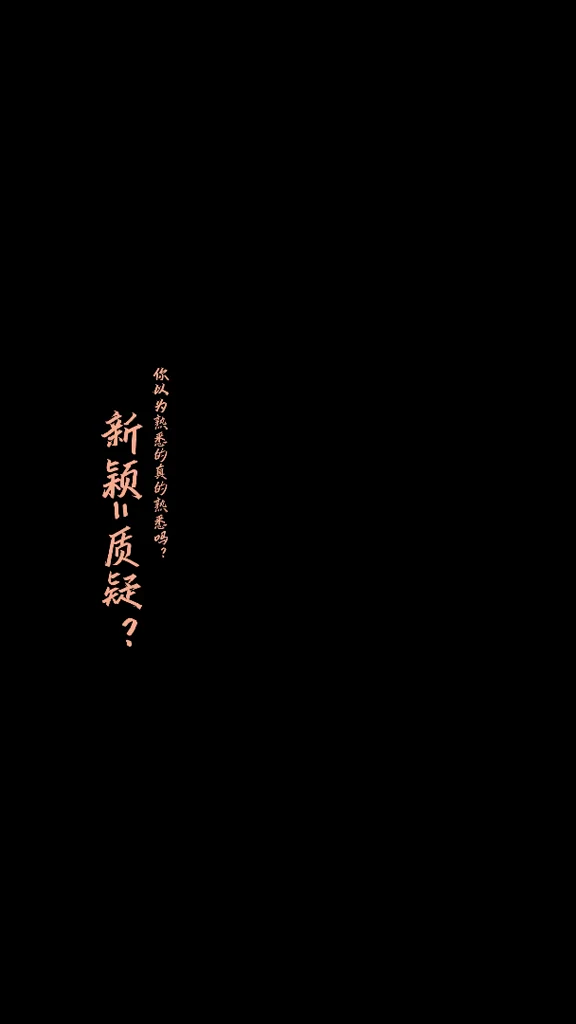
新颖就要被质疑吗? — Bai Ming × Wu Qian / 白明 × 吴倩

Ceramics, Novelty and Legitimacy

Must Novelty Be Questioned?

新颖就要被质疑吗?

Familiarity is separated from knowledge. Ceramics carries accumulated civilisational intelligence, but inherited expertise can harden into authority that rejects difference. Novelty therefore becomes a test of who is allowed to define a medium and whose perception counts as legitimate.

对话区分了“熟悉”与“真正理解”。陶瓷承载着文明累积的智慧,但继承下来的专业知识也可能凝固成排斥差异的权威。因此,“新颖”成为一场测试:谁有权定义媒介?谁的感知才被承认为正当?

Bai Ming × Wu Qian / 白明 × 吴倩WU—LIAO moving-image conversation · DY 7498359433798405416
SAME-SOURCE FRAME SEQUENCE / 同源影像序列04 FRAMES · DY 7498359433798405416

Four moments sampled from this public moving-image record. We preserve the source ratio and connect each image to a precise turn in our reading.从同一条公开动态影像中选取四个时刻。我们保留原始比例,并把每幅画面连接到阅读中的具体转折。

Must Novelty Be Questioned?: Novelty as a question at 00:27
01 / 00:27Novelty as a question新颖作为问题

The opening title does not announce an answer; it frames novelty as a contested criterion inside an inherited medium.

开场标题并不宣布答案,而是把新颖呈现为传统媒介内部一个有争议的判断标准。

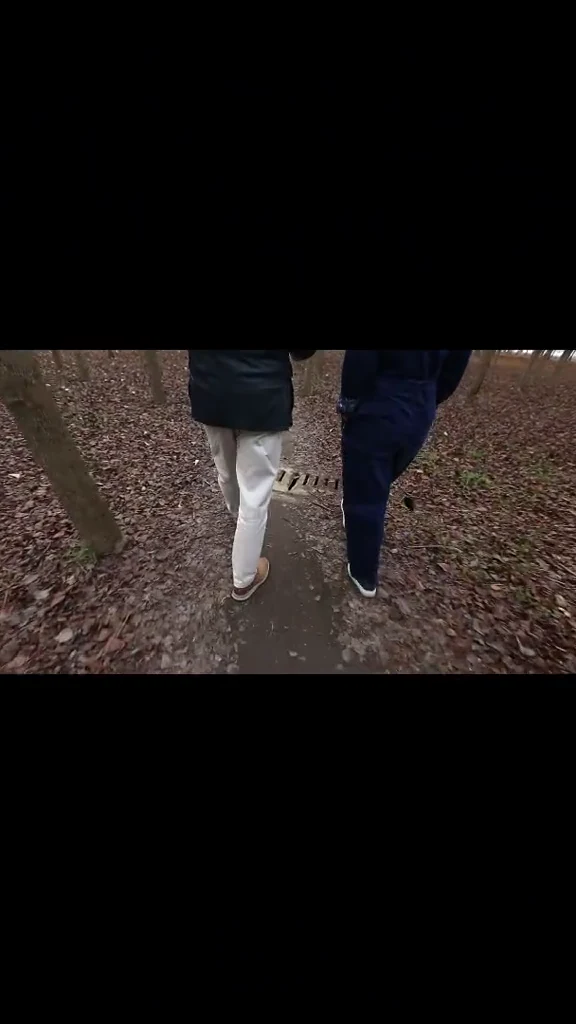
Must Novelty Be Questioned?: Walking the argument at 01:48
02 / 01:48Walking the argument在行走中展开论点

The path through the trees gives the exchange duration and keeps judgement connected to a lived environment.

林间路径为交流提供时长,也让判断始终与一个可经验的环境相连。

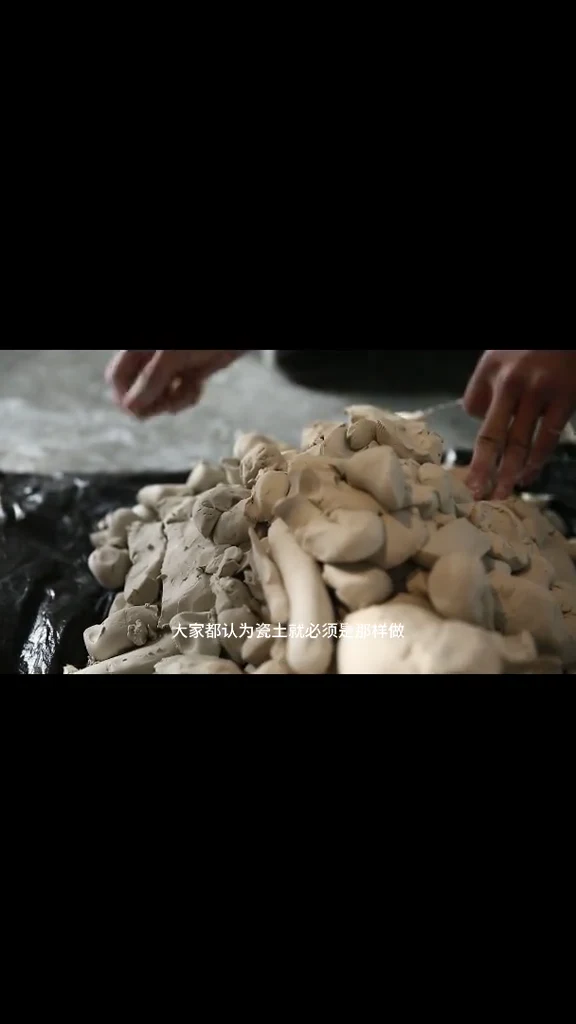
Must Novelty Be Questioned?: Material intelligence at 03:15
03 / 03:15Material intelligence材料的知识

Hands working with clay return the abstract dispute over originality to pressure, touch and accumulated craft knowledge.

双手处理陶土,把关于原创性的抽象争议带回压力、触觉与长期累积的工艺知识。

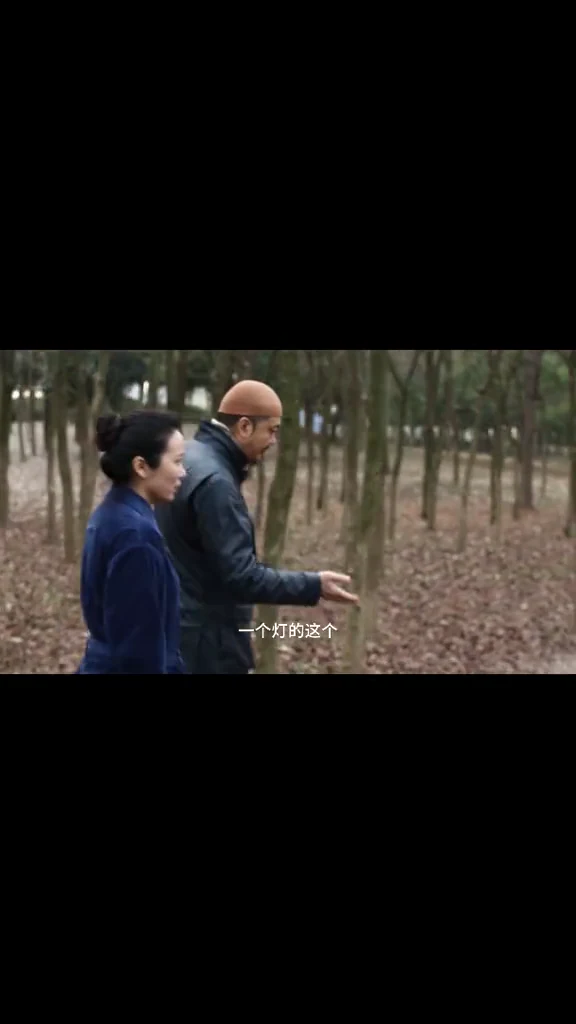
Must Novelty Be Questioned?: Criteria remain in motion at 04:42
04 / 04:42Criteria remain in motion标准仍在移动

The conversation continues while walking, leaving innovation as a negotiated relation between inheritance, expertise and experiment.

对话在行走中继续,使创新保持为传统、专业判断与实验之间不断协商的关系。

OUR READING / 我们的阅读

Central thesis / 核心论点

Novelty is questioned not because it is new, but because every medium contains institutions that decide whose difference counts as knowledge and whose difference is dismissed as error.

新颖受到质疑,并非因为它“新”,而是因为每种媒介内部都存在一套制度,用来决定谁的差异被视为知识,谁的差异被排除为错误。

Argument sequence / 论证链

  1. Expertise can illuminate a medium and police its boundaries.专业知识既能照亮媒介,也可能成为边界警察。
  2. A tradition is one expression among many possible expressions.传统只是众多可能表达中的一种。
  3. Questioning the familiar reopens sensory and material knowledge.质疑熟悉之物,可以重新开启感官与材料知识。

Artistic reading / 艺术解读

The conversation separates familiarity from understanding. Long contact with ceramics can generate embodied knowledge, yet expertise can also harden into a border police for the medium. The tension is productive: tradition is neither a burden to discard nor an authority to obey, but a dense archive that each new work must enter, disturb and extend.

对话区分了熟悉与理解。与陶瓷长期相处能够生成身体知识,但专业性也可能凝固为媒介的边界警察。这种张力具有生产力:传统既不是需要抛弃的负担,也不是必须服从的权威,而是一份每件新作品都要进入、扰动并延伸的密集档案。

From our practice / 回到我们的实践

For us, the question becomes curatorial: what criteria let an unfamiliar work appear as serious research rather than amateur failure? The conversation carries a dispute inside one medium toward legitimacy and cultural inheritance.

对我们而言,问题进一步转为策展性的:怎样的判断标准能让陌生作品被看作严肃研究,而不是业余失败?对话由此把媒介内部争论带向正当性与文化继承。

Q

Is expertise the enemy of experimentation?

专业知识是实验的敌人吗?

No. Expertise becomes restrictive only when it hides its own historical criteria and presents one inherited expression as the only legitimate future of a medium.

不是。专业知识只有在隐藏自身历史标准、并把一种继承表达宣称为媒介唯一合法未来时,才会变得封闭。

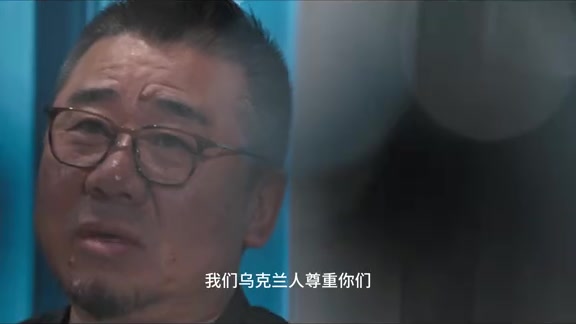
06SOURCE / DOUYIN
把中国爵士乐带出去 — Kong Hongwei × Wu Qian / 孔宏伟 × 吴倩

Music, Borders and Translation

Taking Chinese Jazz Outward

把中国爵士乐带出去

The conversation reflects on taking Chinese jazz and Chinese instruments into performances across different countries. With no lyrics to stabilise meaning, improvisation becomes a mode of translation: instruments, rhythm and local listening produce mutual recognition without erasing difference.

对话回顾中国爵士乐与中国乐器进入不同国家演出现场的经验。在没有歌词固定意义的情况下,即兴成为一种翻译方法:乐器、节奏与当地听觉共同生成理解,同时不抹平差异。

Kong Hongwei × Wu Qian / 孔宏伟 × 吴倩WU—LIAO moving-image conversation · DY 7532843785806564644
SAME-SOURCE FRAME SEQUENCE / 同源影像序列04 FRAMES · DY 7532843785806564644

Four moments sampled from this public moving-image record. We preserve the source ratio and connect each image to a precise turn in our reading.从同一条公开动态影像中选取四个时刻。我们保留原始比例,并把每幅画面连接到阅读中的具体转折。

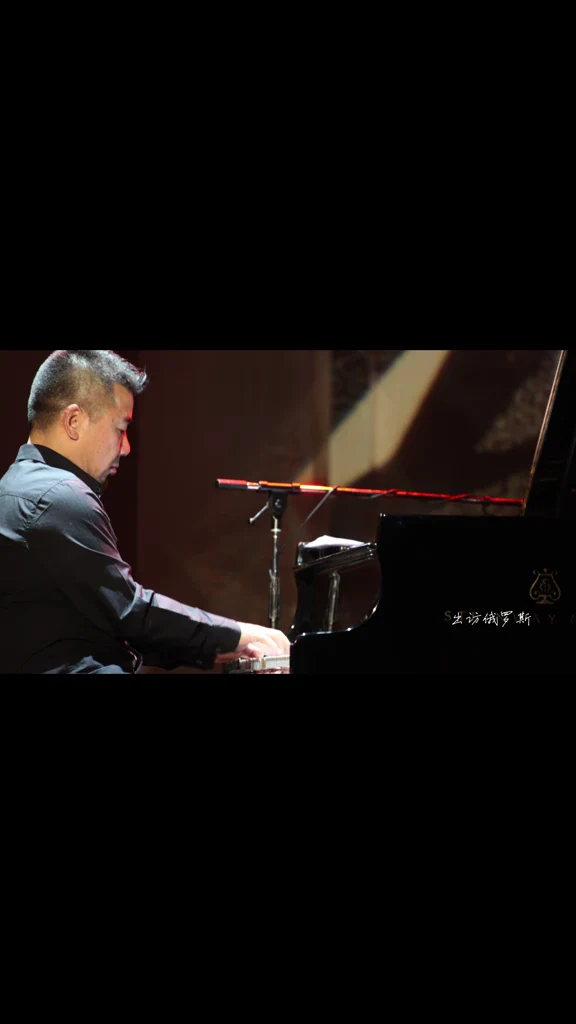
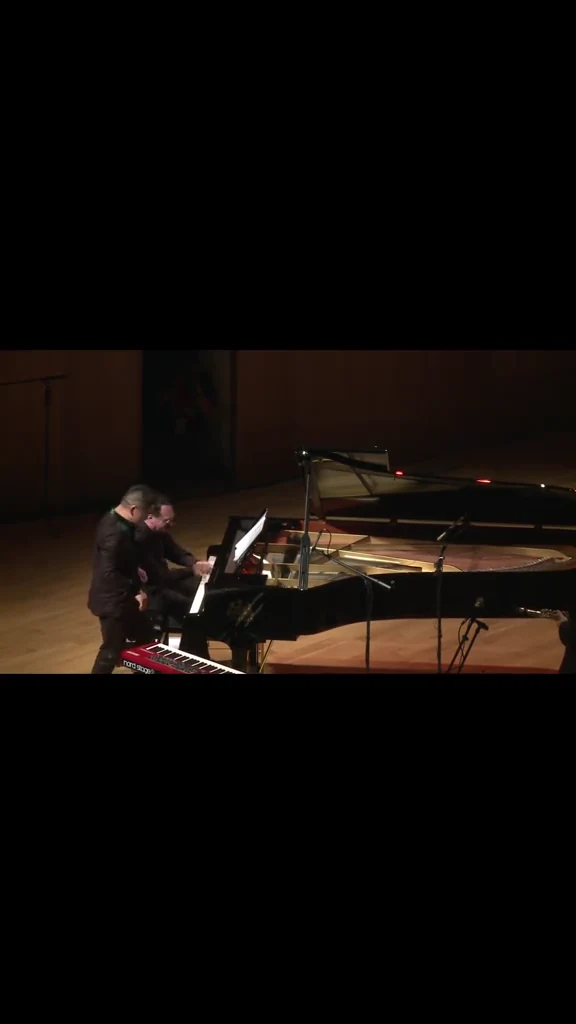
Taking Chinese Jazz Outward: Music before explanation at 00:37
01 / 00:37Music before explanation解释之前的音乐

We begin with performance, allowing rhythm and touch to establish the argument before the interview names it.

我们先从演奏开始,让节奏与触键先于访谈中的命名建立论点。

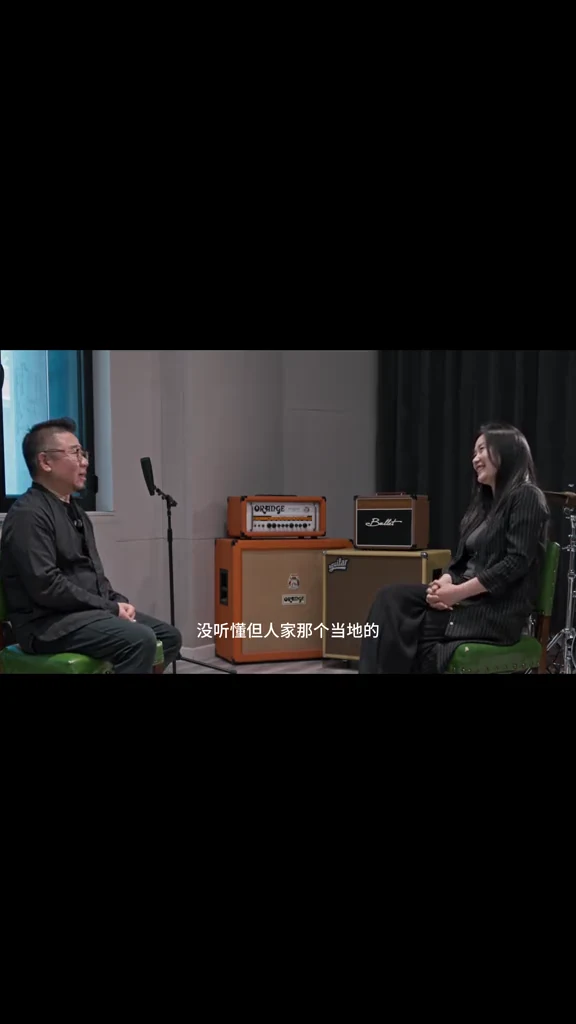
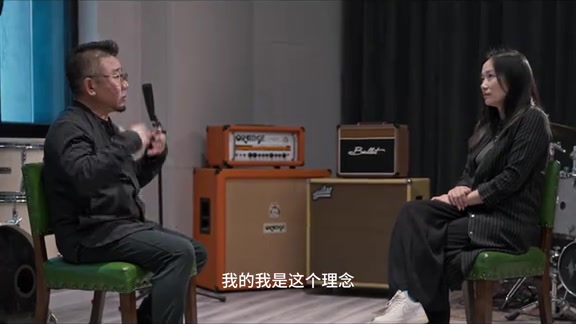
Taking Chinese Jazz Outward: Translation face to face at 02:26
02 / 02:26Translation face to face面对面的翻译

The two-shot turns international circulation into a practical exchange between listening, memory and language.

双人镜头把国际流通转化为倾听、记忆与语言之间的具体交换。

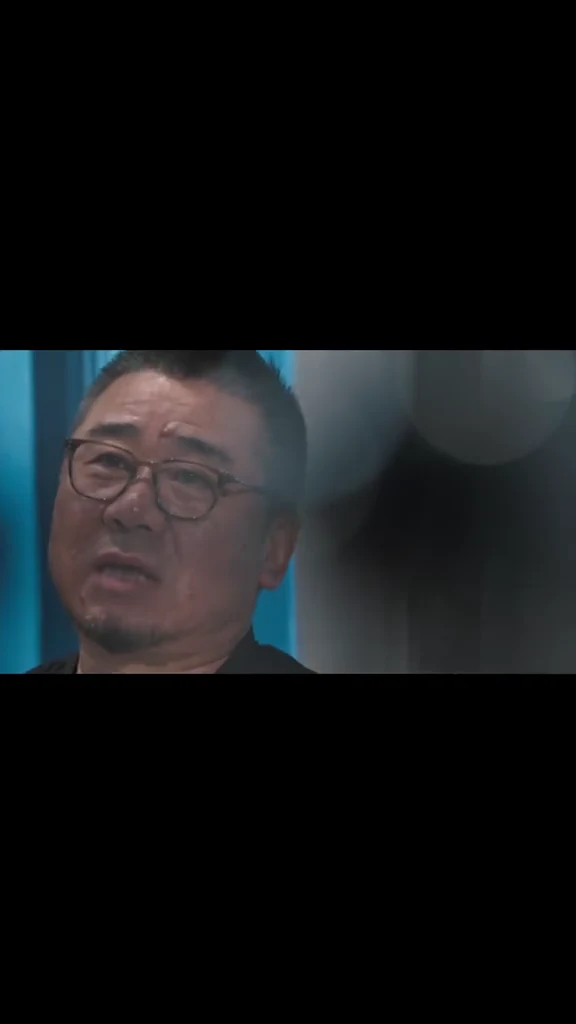
Taking Chinese Jazz Outward: A listening close-up at 04:25
03 / 04:25A listening close-up倾听的近景

The close-up holds the speaker's tempo and emphasis, keeping cultural translation attached to a particular voice.

近景保留说话者的节奏与重音,使文化翻译始终连接着一个具体声音。

Taking Chinese Jazz Outward: The proposition returns to sound at 06:24
04 / 06:24The proposition returns to sound论点回到声音

The sequence closes through performance, where difference travels through phrasing rather than disappearing into a slogan of universality.

序列通过演奏收束:差异经由乐句移动,而不是消失在普遍性的口号之中。

OUR READING / 我们的阅读

Central thesis / 核心论点

International circulation is not the disappearance of difference; it is the situated labour of translating rhythm, timbre and attention without making them identical.

国际流通并不是差异的消失,而是在不把差异变成同一的前提下,对节奏、音色与注意方式进行在地翻译。

Argument sequence / 论证链

  1. Musical exchange is translation rather than borderless sameness.音乐交流是一种翻译,而不是无差别的“无国界”。
  2. Improvisation lets local conditions enter the work.即兴让当地条件进入作品。
  3. Listening can precede genre recognition and cultural labels.倾听可以先于类型识别与文化标签。

Artistic reading / 艺术解读

Without lyrics, music does not become universally transparent. Meaning migrates into timing, timbre, gesture, instrumentation and the response of a local audience. Improvisation therefore acts as a political form of translation: it permits a work to change in relation to a place while refusing the fantasy of frictionless global sameness.

没有歌词并不意味着音乐自动获得普遍透明性。意义转移到时值、音色、动作、乐器配置以及当地观众的回应中。即兴因此成为一种具有政治性的翻译形式:作品能够因具体地点而改变,同时拒绝无摩擦的全球同质化幻想。

From our practice / 回到我们的实践

For us, an international method begins with relation rather than branding. To become international is not to remove local specificity; it is to enter another context, listen there and return changed.

对我们而言,国际方法从关系开始,而不是品牌标签。所谓国际化,并非删除地方性,而是进入另一语境,在那里倾听,并带着变化返回。

Q

Can music cross borders without translation?

音乐可以不经翻译直接跨越边界吗?

It can circulate, but every act of listening is already a translation shaped by local histories, venues, bodies and expectations. The task is to make that mediation perceptible rather than deny it.

它可以流通,但每一次倾听都已经是由当地历史、空间、身体与期待塑造的翻译。艺术任务不是否认中介,而是让中介变得可感。

07SOURCE / DOUYIN
搞艺术的都要上音乐课 — Kong Hongwei × Wu Qian / 孔宏伟 × 吴倩

Rhythm, Colour and Artistic Education

Every Artist Needs Music

搞艺术的都要上音乐课

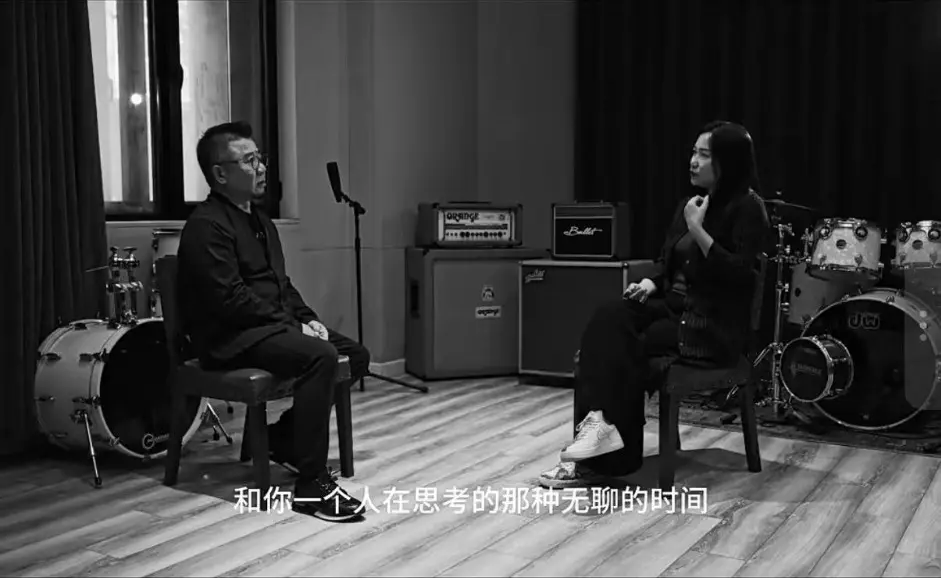
Music education is proposed as perceptual training for artists. Rhythm organises music, while colour and timing connect it to painting, photography and other practices. The aim is not to impose taste but to build access: first make unfamiliar music available to perception, then allow judgement to develop.
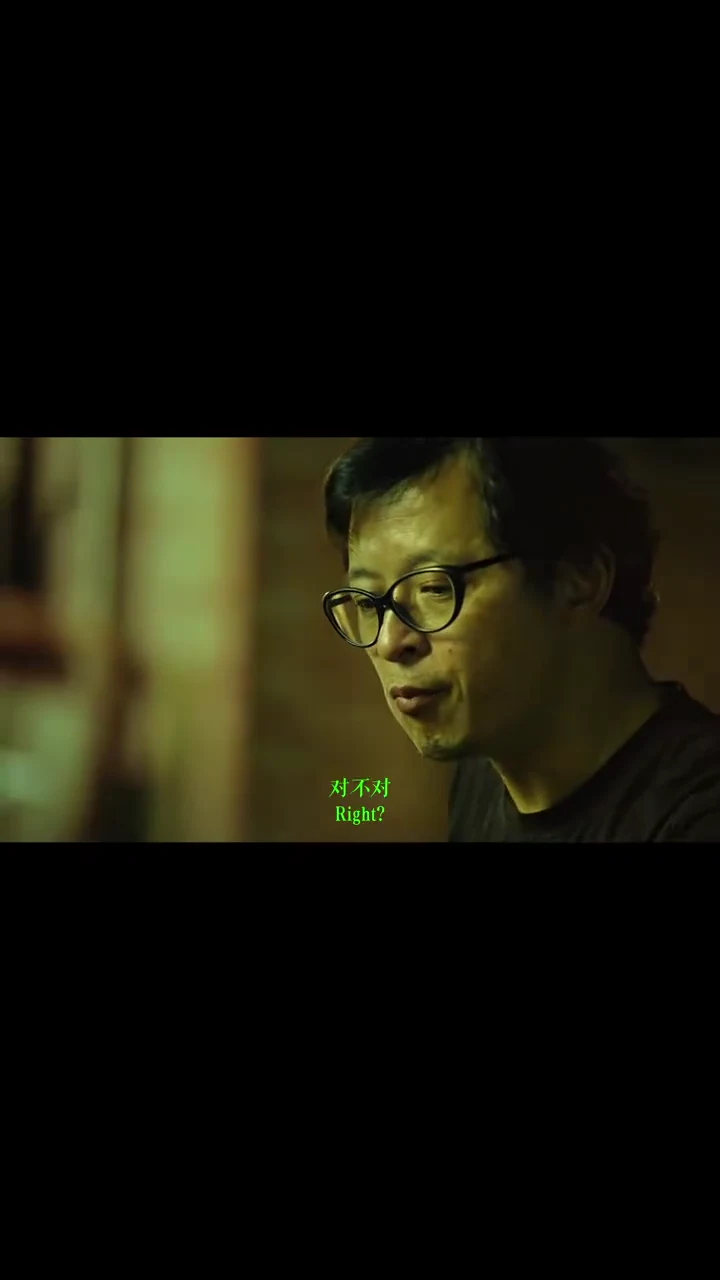
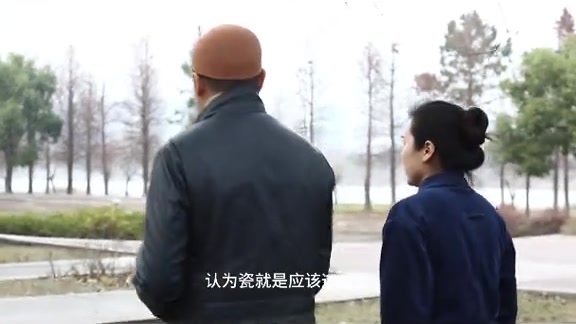
对话把音乐教育视为艺术家的感知训练。节奏组织音乐,而色彩与时间性又把音乐连接到绘画、摄影等实践。目标不是强迫他人接受某种品味,而是先建立感知入口,再让判断逐步发生。

Kong Hongwei × Wu Qian / 孔宏伟 × 吴倩WU—LIAO moving-image conversation · DY 7532844405007322422
SAME-SOURCE FRAME SEQUENCE / 同源影像序列04 FRAMES · DY 7532844405007322422

Four moments sampled from this public moving-image record. We preserve the source ratio and connect each image to a precise turn in our reading.从同一条公开动态影像中选取四个时刻。我们保留原始比例,并把每幅画面连接到阅读中的具体转折。

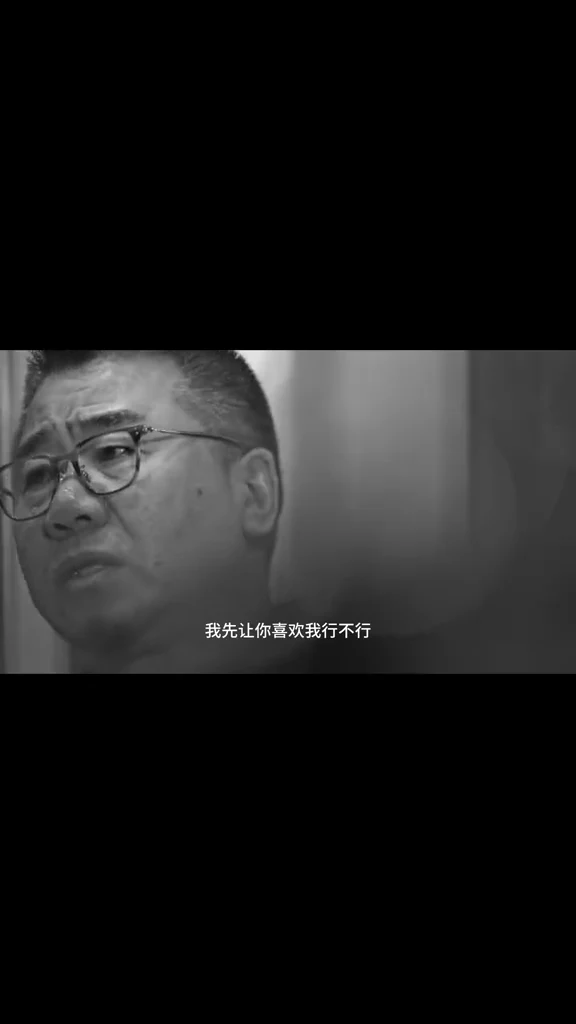
Every Artist Needs Music: Access before taste at 00:10
01 / 00:10Access before taste品味之前的入口

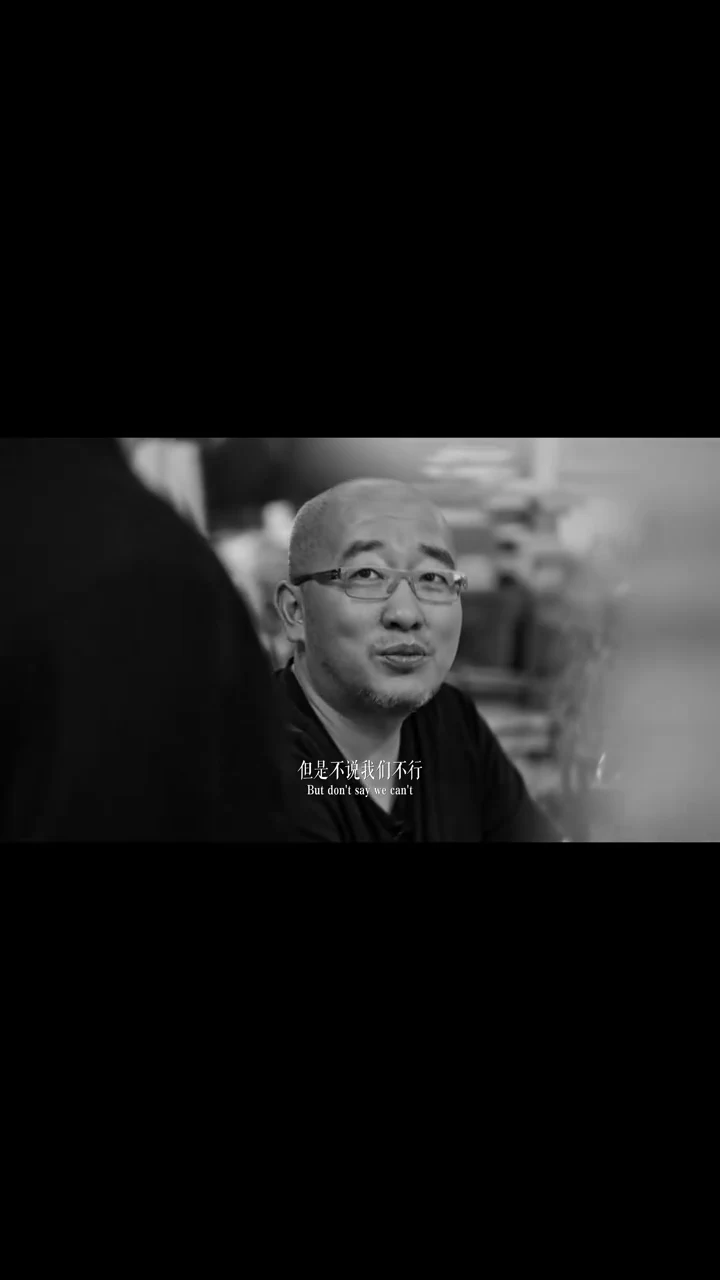
The monochrome opening places emphasis on speech: education begins by making an unfamiliar form available to attention.

黑白开场把重心放在言说上:教育首先要让陌生形式能够进入注意。

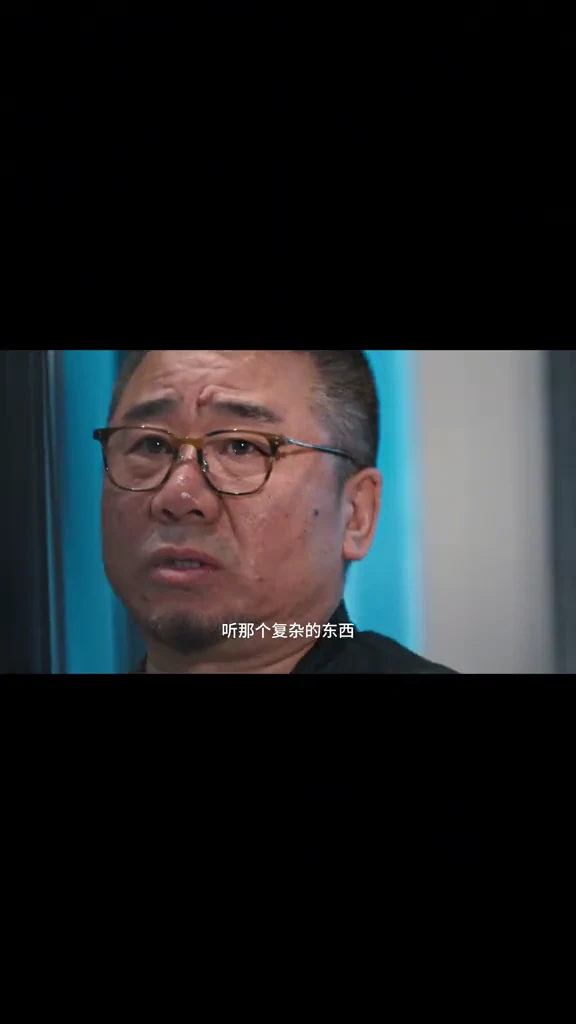
Every Artist Needs Music: Rhythm enters the claim at 00:39
02 / 00:39Rhythm enters the claim节奏进入论点

A tighter portrait keeps cadence and expression visible as music is connected to perception across art forms.

更紧的肖像保留语速与表情,让音乐与跨艺术形式的感知发生联系。

Every Artist Needs Music: Judgement is not imposed at 01:11
03 / 01:11Judgement is not imposed判断不是强加

The held close-up gives the distinction between exposure and enforced taste enough time to register.

持续的近景让“建立接触”与“强制品味”之间的区别获得足够时间显现。

Every Artist Needs Music: Back to an ordinary surface at 01:43
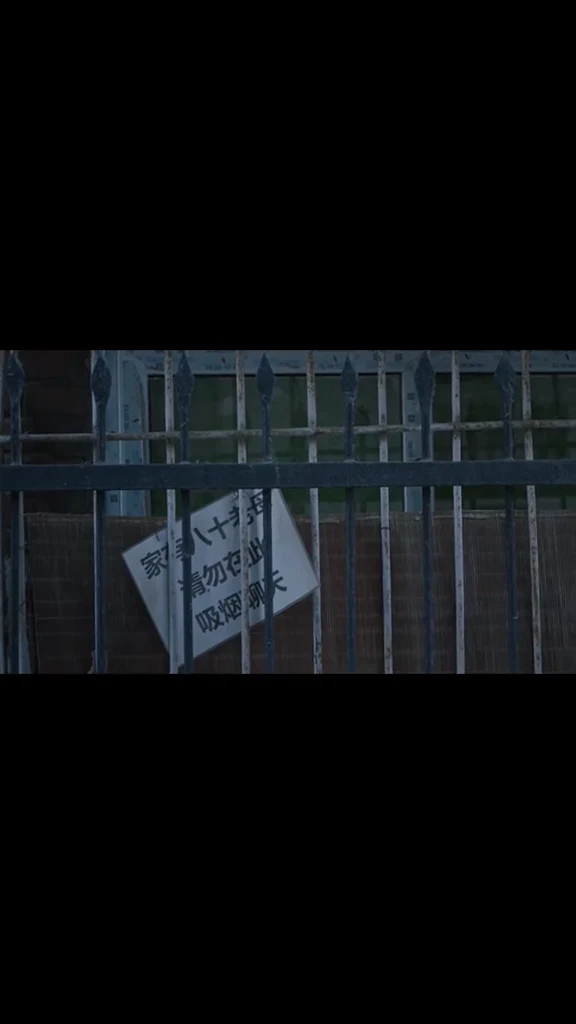
04 / 01:43Back to an ordinary surface回到日常表面

An exterior cutaway carries the question of rhythm out of the studio and into the signs and intervals of the city.

外景切换把节奏问题带出访谈空间,进入城市的标识与间隔。

OUR READING / 我们的阅读

Central thesis / 核心论点

Music education matters to artists because rhythm is not a specialist property of sound; it is a relational structure shared by images, bodies, colour and time.

音乐教育对艺术家重要,是因为节奏并非声音的专业属性,而是图像、身体、色彩与时间共同拥有的关系结构。

Argument sequence / 论证链

  1. Rhythm is a transversal structure across art forms.节奏是贯穿不同艺术形式的结构。
  2. Education should create perceptual access rather than enforce taste.教育应当建立感知入口,而不是强制品味。
  3. Making music sensorially available can precede specialist knowledge.让音乐先变得可感,可以早于专业知识。

Artistic reading / 艺术解读

The proposition does not demand that every artist become a musician. It asks education to produce perceptual access before judgement. Rhythm names spacing, recurrence, interruption and expectation; once heard this way, it can reorganise how one edits a film, hangs an exhibition, composes a photograph or conducts a conversation.

这一命题并不是要求每位艺术家都成为音乐家,而是要求教育在判断之前先建立感知入口。节奏指向间距、重复、中断与期待;当它以这种方式被听见,就能重新组织影片剪辑、展览悬挂、摄影构图乃至对话的进行。

From our practice / 回到我们的实践

Our work already moves among these temporal forms. An interview has rhythm—question, silence, hesitation, return—and editing can either flatten that rhythm into information or keep it as thought in motion.

我们的工作本就穿行于这些时间形式之间。访谈同样拥有节奏:提问、沉默、迟疑与返回。剪辑既可能把节奏压平为信息,也可以把它保存为正在运动的思想。

Q

What does music teach a visual artist?

音乐能够教给视觉艺术家什么?

Not a transferable style, but sensitivity to duration, interval, repetition, counterpoint and the embodied arrival of an event.

不是一套可移植的风格,而是对持续、间隔、重复、复调以及事件如何通过身体到来的敏感。

08SOURCE / DOUYIN
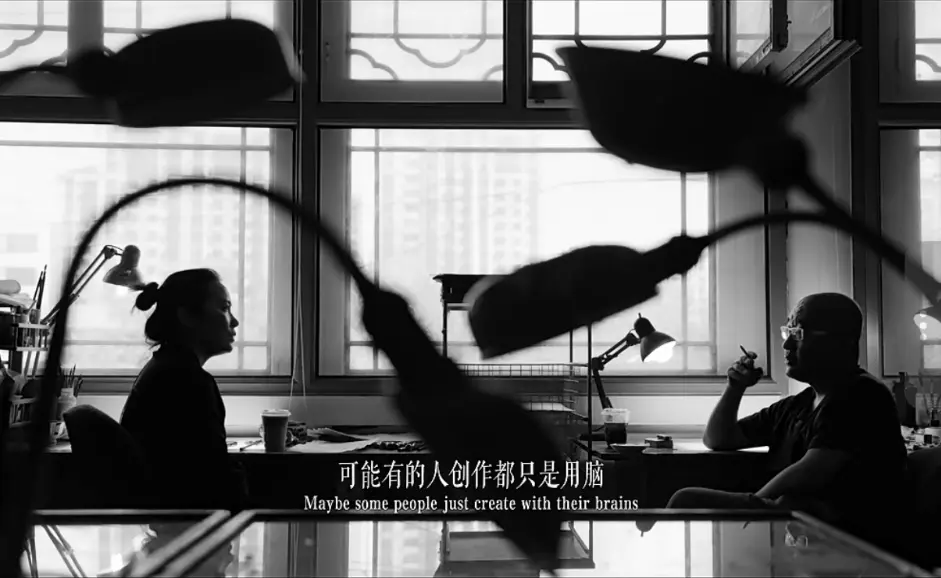
无聊:但有言说都无实意 — Sun Xun × Wu Qian / 孙逊 × 吴倩

Boredom, Language and Misreading

Boredom Beyond Hunger and Satiety

无聊:但有言说都无实意

Language is described as both necessary and radically limited: speaking can amount to saying nothing, while actual exchange often happens in implication. Boredom names an interval that is neither lack nor fulfilment—like being neither hungry nor full—and becomes difficult precisely because it resists description.

对话把语言理解为既不可缺少、又有根本局限的工具:说话可能等同于什么也没说,而真正的交流常常发生在言外之意中。“无聊”指向一种既非匮乏、也非满足的间隙——如同不饿也不饱——它之所以困难,正因为难以被描述。

Sun Xun × Wu Qian / 孙逊 × 吴倩WU—LIAO moving-image conversation · DY 7602280892651949353
SAME-SOURCE FRAME SEQUENCE / 同源影像序列04 FRAMES · DY 7602280892651949353

Four moments sampled from this public moving-image record. We preserve the source ratio and connect each image to a precise turn in our reading.从同一条公开动态影像中选取四个时刻。我们保留原始比例,并把每幅画面连接到阅读中的具体转折。

Boredom Beyond Hunger and Satiety: Language reaches its edge at 00:17
01 / 00:17Language reaches its edge语言抵达边缘

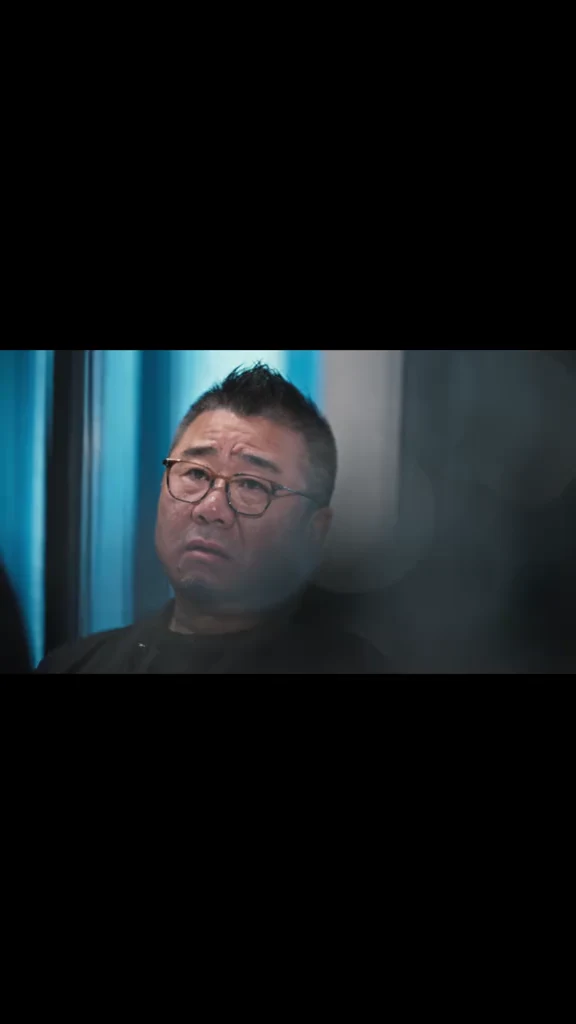
The first close-up places emphasis on a contradiction: speech is necessary even when saying can fail to carry meaning.

第一个近景强调一种矛盾:即使言说可能无法承载意义,我们仍需要语言。

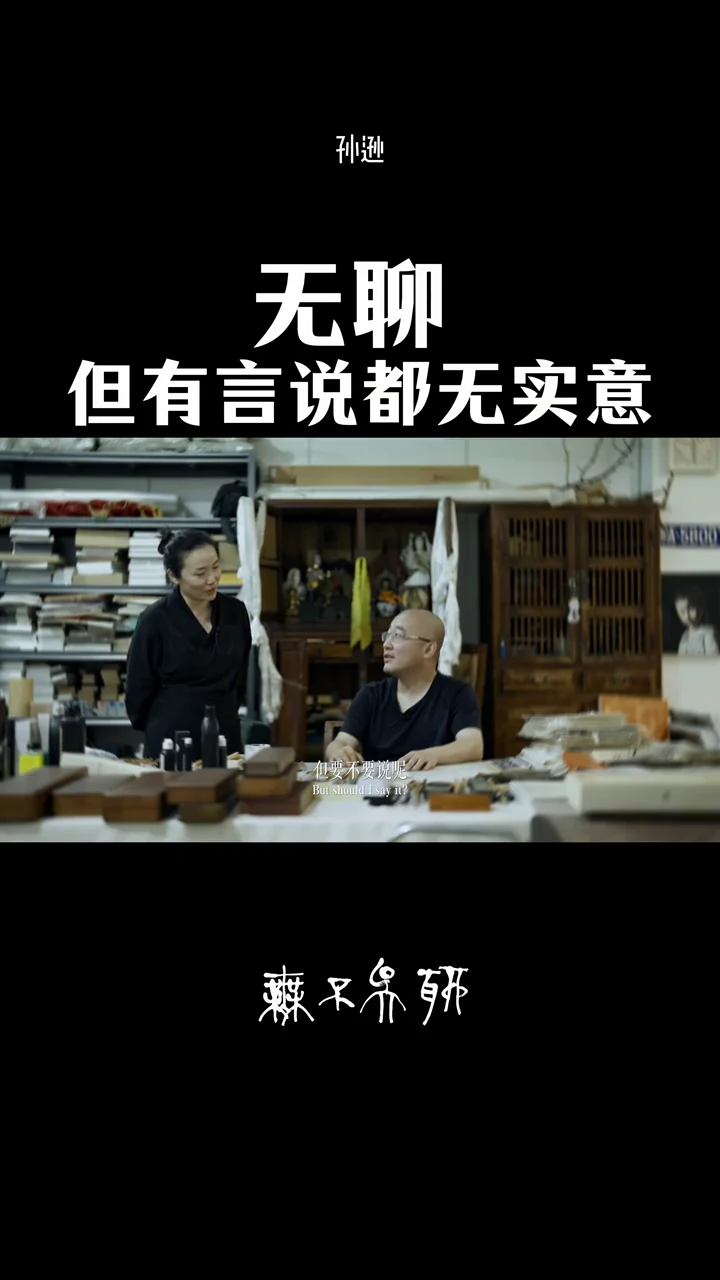
Boredom Beyond Hunger and Satiety: Boredom in the workroom at 01:08
02 / 01:08Boredom in the workroom工作室里的无聊

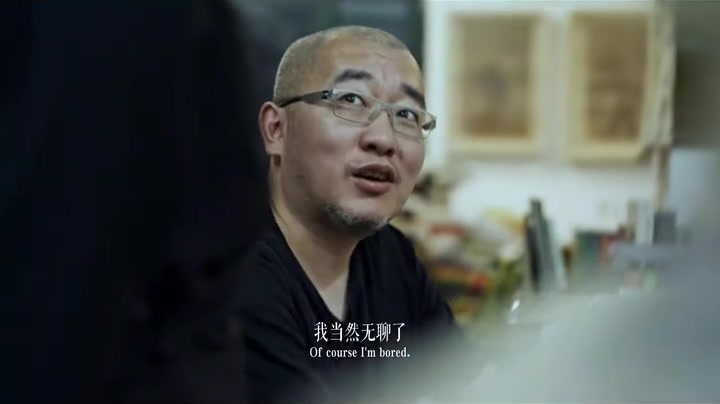
The wider room refuses boredom as empty abstraction; it appears amid objects, labour and two people sharing time.

更宽的工作室画面拒绝把无聊处理为空洞抽象;它出现在物件、劳动与两个人共享的时间里。

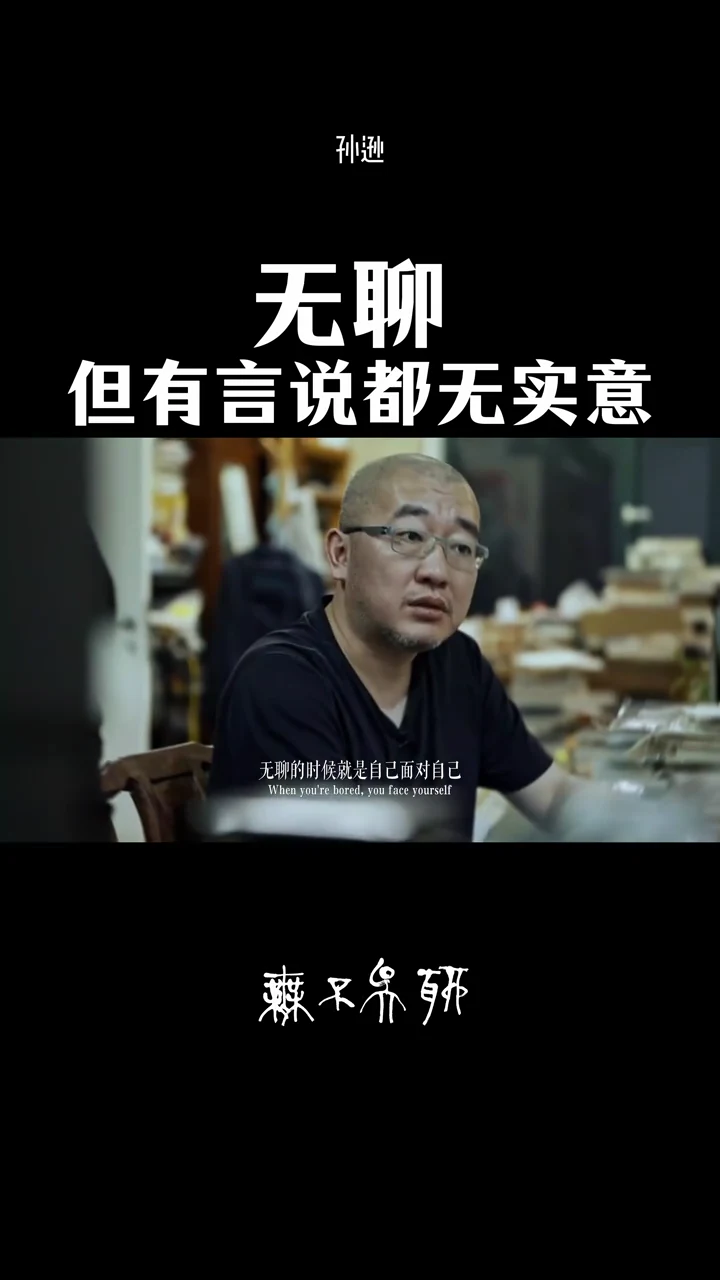
Boredom Beyond Hunger and Satiety: Facing oneself at 02:03
03 / 02:03Facing oneself面对自己

A sustained portrait gives weight to the claim that boredom can become a difficult encounter with one's own attention.

持续的肖像让一个判断获得重量:无聊可能成为与自身注意力的一次困难相遇。

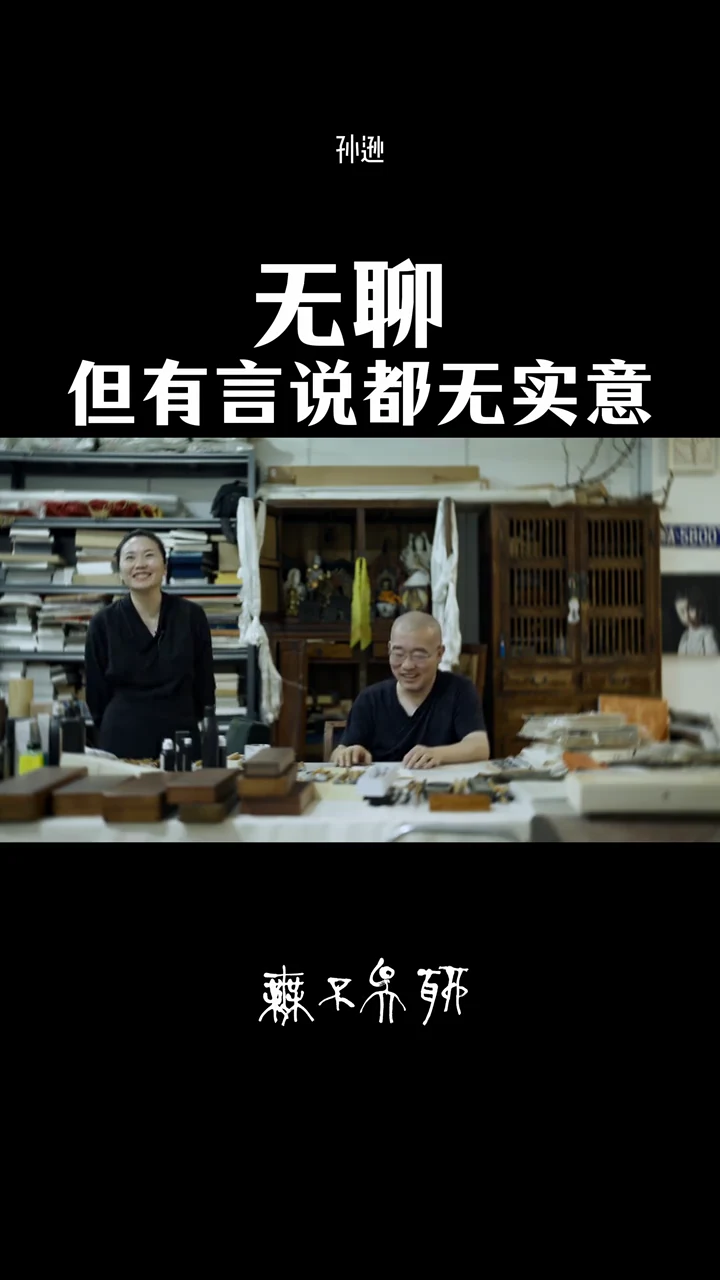
Boredom Beyond Hunger and Satiety: The interval stays social at 02:58
04 / 02:58The interval stays social间隙仍是社会性的

The return to the shared room keeps the indeterminate state between speakers, gestures and a moment of release.

镜头回到共同空间,使这种未决状态停留在说话者、手势与短暂松弛之间。

OUR READING / 我们的阅读

Central thesis / 核心论点

Boredom is not empty time but an unstable threshold where habitual demands briefly lose authority and the self becomes difficult to avoid.

无聊并不是空白时间,而是一道不稳定的阈限:惯常要求暂时失去权威,自我变得难以回避。

Argument sequence / 论证链

  1. Language communicates through its limits as much as through statements.语言通过自身的局限交流,也通过陈述交流。
  2. Boredom is an indeterminate state, not simple emptiness.无聊是一种未决状态,而不是简单的空无。
  3. Facing boredom can become a direct encounter with oneself.面对无聊可以成为直接面对自己的时刻。

Artistic reading / 艺术解读

The phrase ‘neither hungry nor full’ gives boredom a precise phenomenological structure. It is neither lack nor satisfaction, and language struggles because it prefers stable oppositions. The apparent failure to say something meaningful is therefore not a defect; it reveals the interval in which implication, silence and self-confrontation begin to work.

“不饿也不饱”为无聊提供了精确的现象学结构。它既不是匮乏,也不是满足;语言之所以困难,是因为语言偏爱稳定的二元对立。看似“没有说出实意”并非缺陷,而是揭示了言外之意、沉默与自我面对开始运作的间隙。

From our practice / 回到我们的实践

Here the name WU—LIAO becomes more than a brand. It names an artistic protocol: suspend the demand for immediate usefulness, stay with an indeterminate state and allow another direction of attention to appear.

在这里,“无不吴聊”不再只是厂牌名称,而成为一种艺术协议:暂停对即时用途的要求,在未决状态中停留,让注意力的另一种方向出现。

Q

Why is boredom productive for art?

为什么无聊能够对艺术产生作用?

Because it interrupts the automatic link between attention and utility. That interruption does not guarantee art, but it creates the condition in which unnoticed relations can become perceptible.

因为它中断了注意力与功用之间的自动连接。这种中断并不保证艺术发生,却创造了让未被注意的关系重新变得可感的条件。

09SOURCE / DOUYIN
“心”怎么用 — Sun Xun × Wu Qian / 孙逊 × 吴倩

Mind, Body and Creation

How Do We Use the Heart?

“心”怎么用

The short exchange asks whether creation is led by the brain or by the heart. It resists a stable distinction: analysis, writing and decision can be brain-led, yet practice may also move toward a condition in which the threshold of making becomes so low that attention, meditation and ordinary presence enter creation.

这段短访谈追问创作究竟由“脑”还是由“心”主导。对话拒绝固定区分:分析、书写与决策可能偏向用脑,但实践也可能走向另一种状态——创作的门槛被降低,注意、打坐与日常在场本身进入创作。

Sun Xun × Wu Qian / 孙逊 × 吴倩WU—LIAO moving-image conversation · DY 7610360561716514090
SAME-SOURCE FRAME SEQUENCE / 同源影像序列04 FRAMES · DY 7610360561716514090

Four moments sampled from this public moving-image record. We preserve the source ratio and connect each image to a precise turn in our reading.从同一条公开动态影像中选取四个时刻。我们保留原始比例,并把每幅画面连接到阅读中的具体转折。

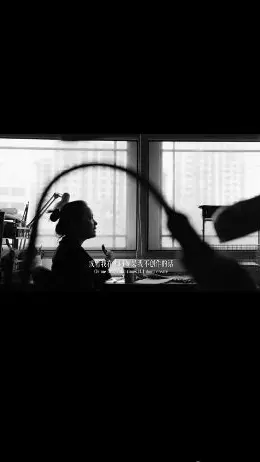
How Do We Use the Heart?: Attention as silhouette at 00:08
01 / 00:08Attention as silhouette剪影中的注意

The opening silhouette withholds facial detail and lets posture, distance and a shared field of attention organise the scene.

开场剪影隐去面部细节,让姿态、距离与共同的注意场组织画面。

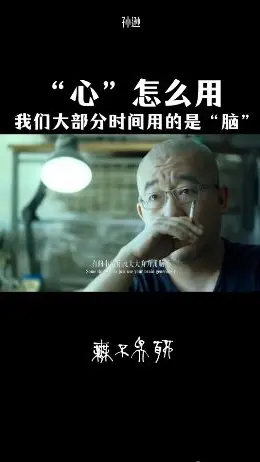
How Do We Use the Heart?: The question is stated at 00:23
02 / 00:23The question is stated问题被提出

The title and close-up place the heart/brain distinction directly in view without resolving it as a diagnostic binary.

标题与近景直接呈现“心/脑”的区分,但并未把它解决为一种诊断式二元对立。

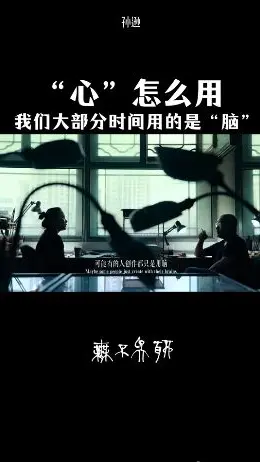
How Do We Use the Heart?: Presence before explanation at 00:43
03 / 00:43Presence before explanation解释之前的在场

The conversation returns to silhouette, where an embodied relation remains visible beside the verbal proposition.

对话回到剪影,使一种具身关系与语言命题并行保持可见。

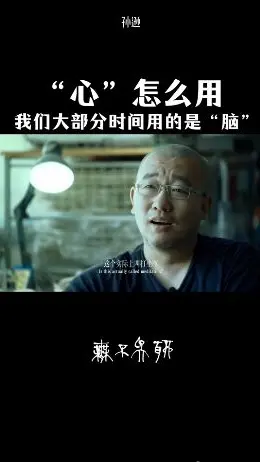
How Do We Use the Heart?: An unfinished answer at 01:03
04 / 01:03An unfinished answer未完成的回答

The final portrait preserves expression and breath, allowing the answer to remain a practice of attention rather than a closed definition.

最后的肖像保留表情与呼吸,使回答保持为一种注意实践,而不是封闭的定义。

OUR READING / 我们的阅读

Central thesis / 核心论点

Creation cannot be divided cleanly between rational brain and authentic heart; it emerges through changing relations among analysis, embodiment, attention and ordinary presence.

创作无法被干净地划分为理性的大脑与真实的内心;它发生在分析、身体、注意与日常在场不断变化的关系之中。

Argument sequence / 论证链

  1. Creation cannot be diagnosed by a simple brain/heart binary.创作不能用简单的“脑/心”二元对立来判断。
  2. Lowering the threshold of making can reveal attention as practice.降低创作门槛,可以让注意本身显现为实践。
  3. Meditation names a mode of presence rather than a specialised genre.打坐指向一种在场方式,而非专门类型。

Artistic reading / 艺术解读

The brain/heart opposition initially promises a simple diagnosis, but the conversation dissolves it. Writing and decision may feel analytical, while practice can move toward a state where the threshold of making is radically lowered. Meditation matters here not as spiritual decoration but as a technique for noticing when presence itself begins to organise form.

“脑/心”的对立最初似乎能提供简单诊断,但对话逐步将它溶解。书写与决策可能偏向分析,而实践也可能进入一种创作门槛被极度降低的状态。打坐在这里不是精神装饰,而是一种察觉技术:它使人注意到,在场本身何时开始组织形式。

From our practice / 回到我们的实践

This is where our different forms meet. Performance, interviewing, curating and producing are not a list of separate professions; each arranges attention, relation and the conditions for something to appear.

这也是我们不同工作形式相遇的地方。表演、访谈、策展与制片并不是彼此割裂的职业清单;它们都在组织注意、关系与事物得以显现的条件。

Q

Does lowering the threshold mean that everything is art?

降低创作门槛是否意味着一切都是艺术?

No. It shifts the criterion from specialised appearance to the quality of attention, framing and relation. Ordinary presence becomes artistic only when a practice makes its conditions perceptible and shareable.

不是。它把判断标准从专业化外观转向注意、框架与关系的质量。日常在场只有在实践使其条件变得可感、可共享时,才进入艺术。

HOW WE WORK / 我们如何工作

A short film can keep moving after it is published.

  1. Keep.We preserve the title, the people in the frame and the context in which the film first appeared.
  2. Watch.We return to voice, gesture, pauses and the movement of the conversation.
  3. Write.We write a bilingual note that can hold the film’s turns, pauses and unfinished edges.
  4. Relate.We connect one conversation to another person, project, book or unanswered question.

我们保留标题、人物与最初出现的语境,再回到声音、姿态和停顿,让短片继续生长为双语笔记,并与其他人物、项目、书籍和未完成的问题发生联系。

Open the complete moving-image index →
NEXT / LONG FORM

YouTube + long-form moving image

YouTube 与长篇动态影像

Complete films will enter with chapters, people, bilingual text and clear routes into the wider archive. A reader can watch from beginning to end or return through a person, a question or a precise moment.

完整影片将连接章节、人物、双语文本与更大的档案。读者既可以从头观看,也可以通过一个人物、一个问题或一个准确时刻重新进入。

See how new material will enter / 查看材料进入方式 →