01 / Voice is more than language / 声音不止是语言
Words carry propositions, but a voice also carries breath, volume, pace, fatigue, hesitation and distance. These qualities do not decorate meaning; they show a body negotiating whether and how to appear before others. Treating voice as material means listening to the conditions under which a statement becomes possible, not only extracting what it says.
词语承载命题,但声音也承载呼吸、音量、速度、疲劳、迟疑与距离。这些性质并非意义的装饰,而是身体在协商是否以及如何出现在他人面前。把声音视为材料,意味着倾听一句话得以发生的条件,而不只是提取它说了什么。
02 / Live time cannot be undone / 现场时间无法撤回
Performance exposes speech to irreversible time. A pause occupies the room; an error changes the next gesture; an audience response alters tempo before explanation can contain it. This vulnerability is productive because it prevents the event from becoming a perfectly controlled message and makes relation perceptible as it is happening.
表演把言说暴露在不可逆的时间中。一次停顿占据空间,一个错误改变下一个动作,观众的回应在解释介入之前便改变节奏。这种脆弱性具有生产力,因为它阻止事件成为完全受控的信息,并使关系在发生的同时变得可感。
03 / Listening is a spatial act / 倾听是一种空间行动
Who can hear, from where and under what acoustic conditions is part of the work. Microphones, seating, stage distance and ambient noise distribute audibility unevenly. Performance therefore shares a curatorial problem with exhibition making: both arrange bodies and thresholds through which attention can—or cannot—move.
谁能够听见、从何处听见、在怎样的声学条件下听见,本身就是作品的一部分。麦克风、座位、舞台距离与环境噪音不均等地分配可听性。因此,表演与展览共享同一种策展问题:二者都在编排身体与门槛,决定注意力能否流动。
04 / A prehistory of the interview method / 访谈方法的前史
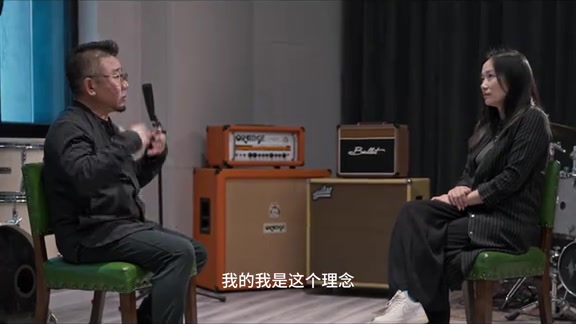
Our conversations grow from this embodied knowledge. An interview also has a score—question, pause, interruption, return—and the interviewer is present through timing as much as through speech. Editing can flatten that score into information or preserve enough interval for thought to remain visibly unfinished.
我们的访谈也从这种身体知识中生长。访谈同样拥有行动谱:提问、停顿、打断与返回;采访者不仅通过语言,也通过时值而在场。剪辑既可能把这套谱压平为信息,也可以保留足够间隙,使思想继续显现为未完成状态。
05 / The photograph is a remainder / 照片只是余留
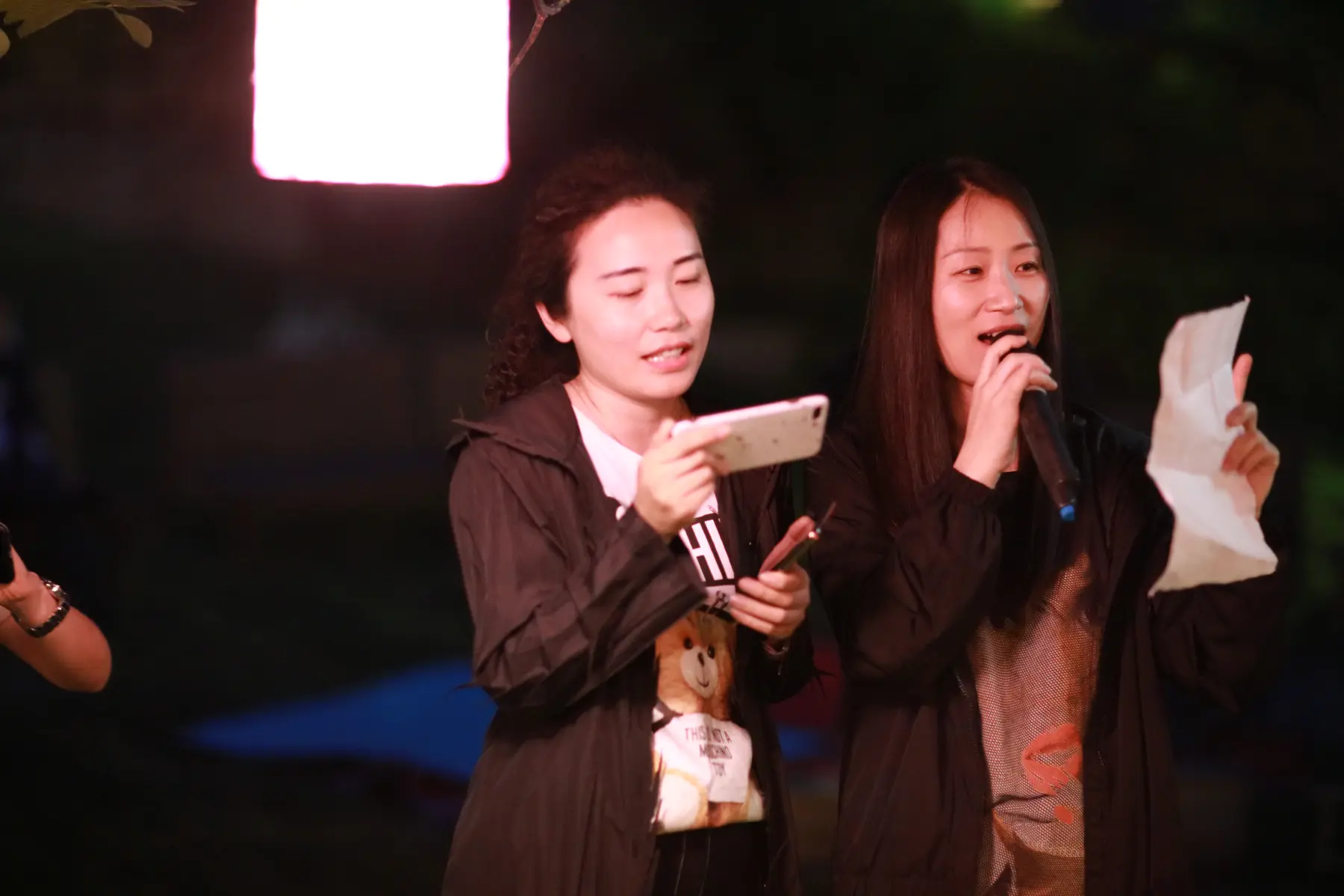
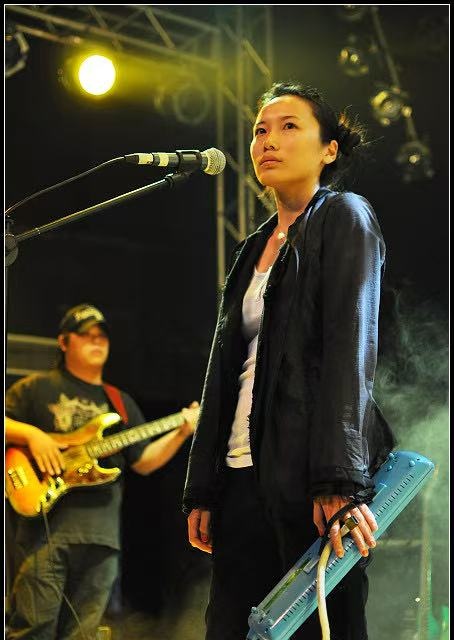
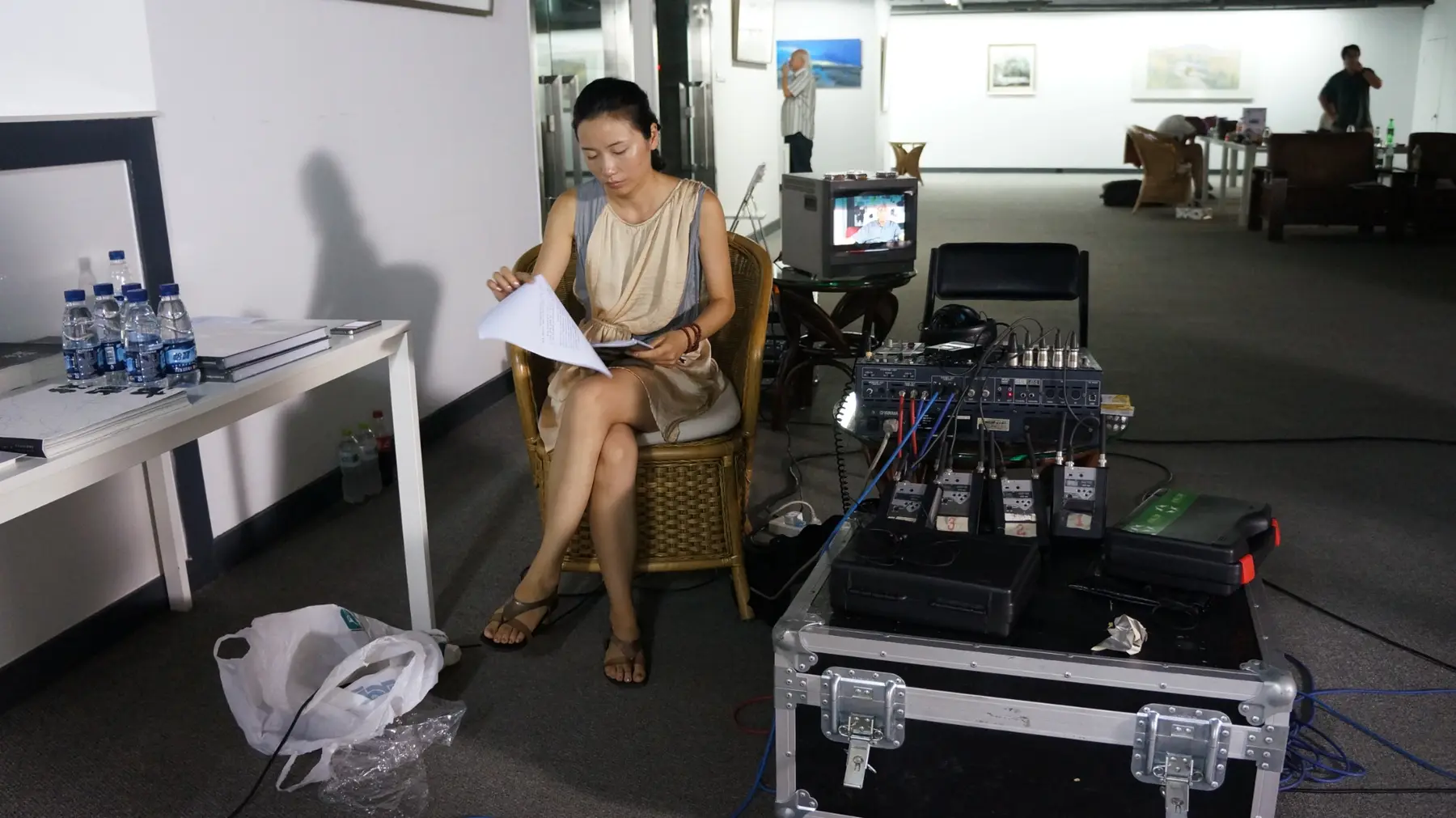
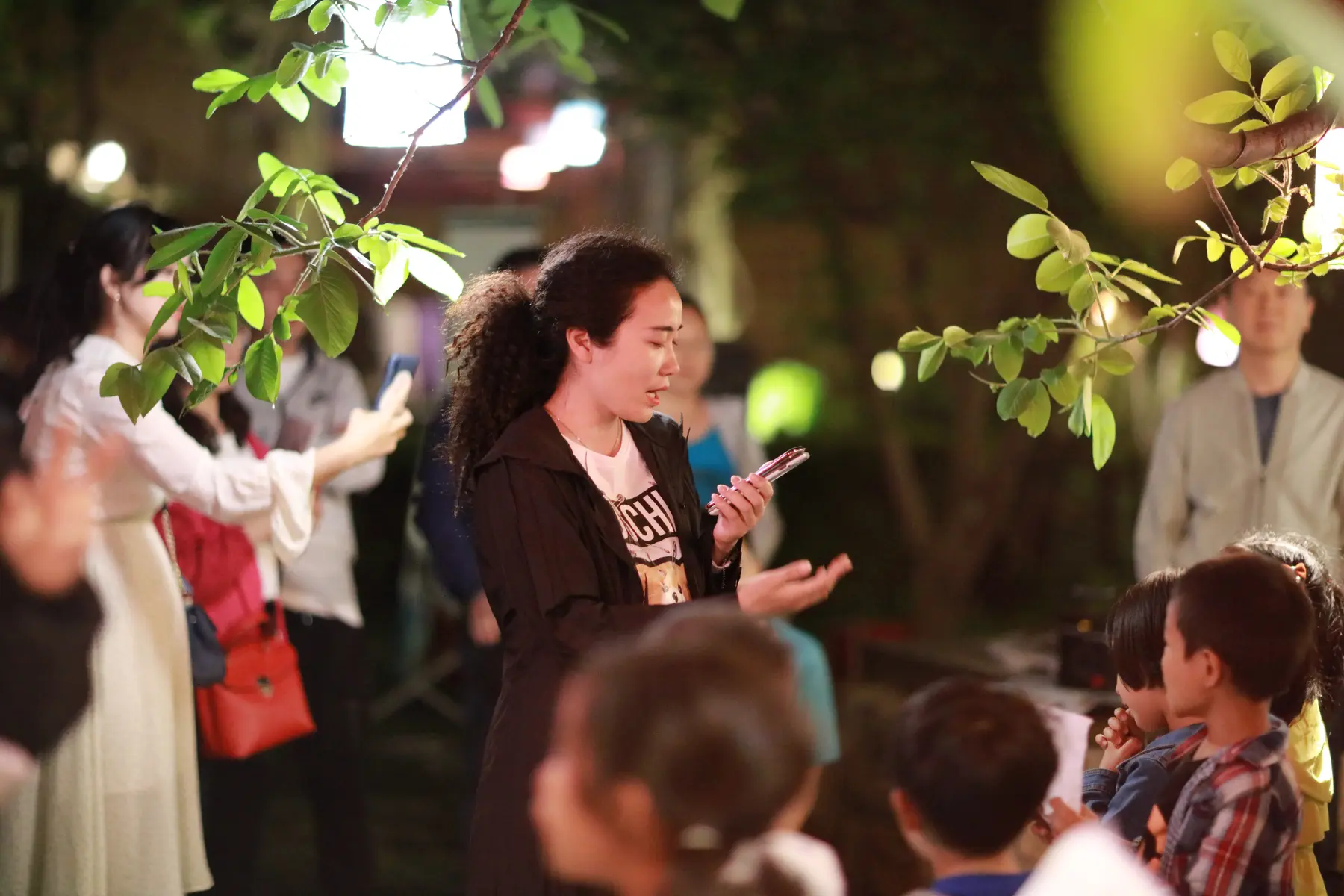
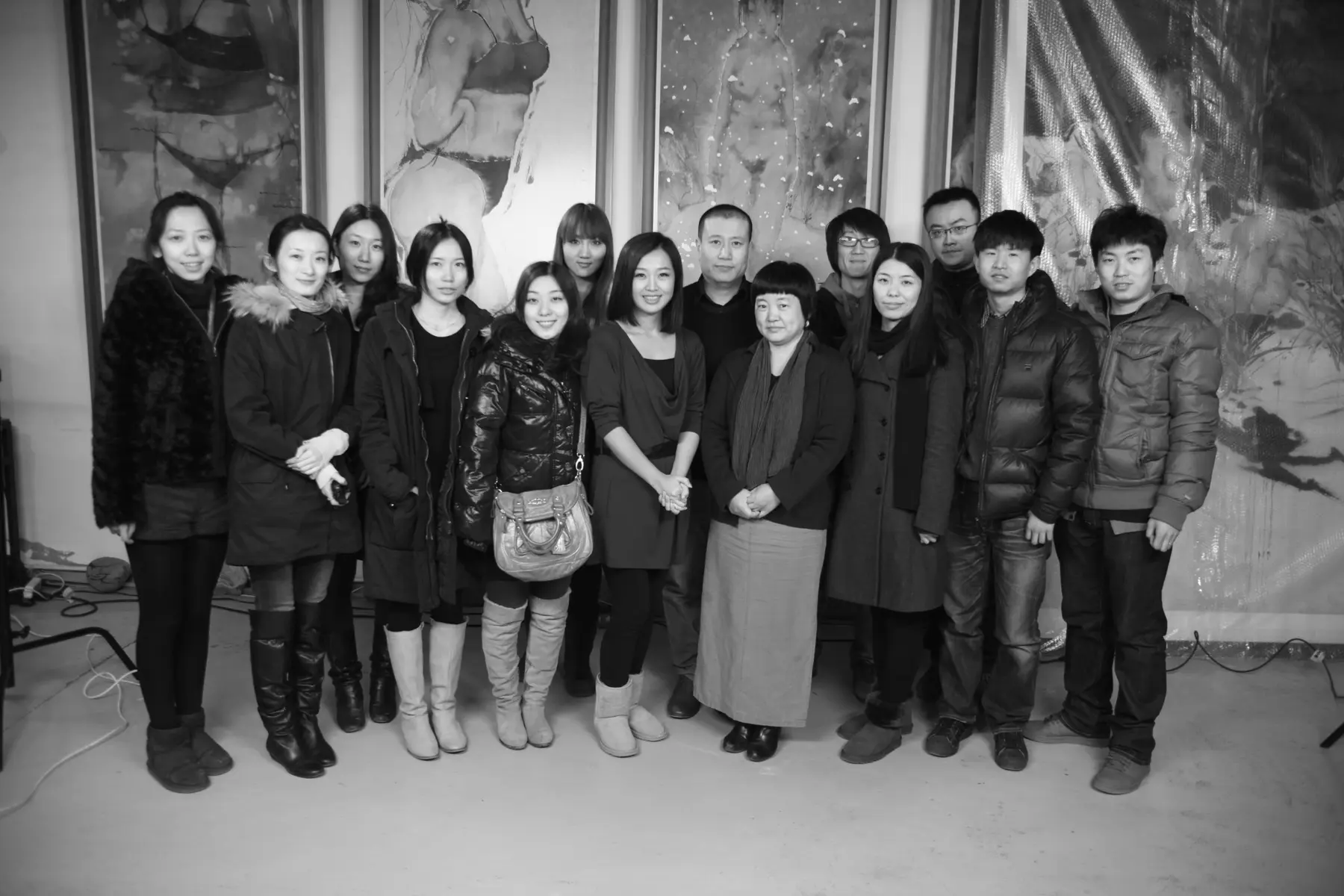
A still image catches the body at one point in a duration it cannot contain. Sound has already passed; the next breath is still arriving. We use these photographs as openings rather than summaries. Their silence asks us to imagine the interval around a gesture and to notice what performance gives to memory precisely because it cannot be replayed in full.
静态图像只捕捉身体在一段持续时间中的一个位置,却无法容纳整段时间。声音已经过去,下一次呼吸仍在到来。我们把这些照片作为入口,而不是总结。它们的沉默邀请我们想象动作周围的间隙,并意识到:正因为表演无法被完整重放,它才以特殊的方式进入记忆。