What forms of knowledge disappear when childhood loses direct relations with plants, animals, food and seasonal change?
当童年失去与植物、动物、食物及季节变化的直接关系时,哪些知识会随之消失?
WU—LIAO / 范学宜WHY WE RETURN / 为什么再次回到这组对话
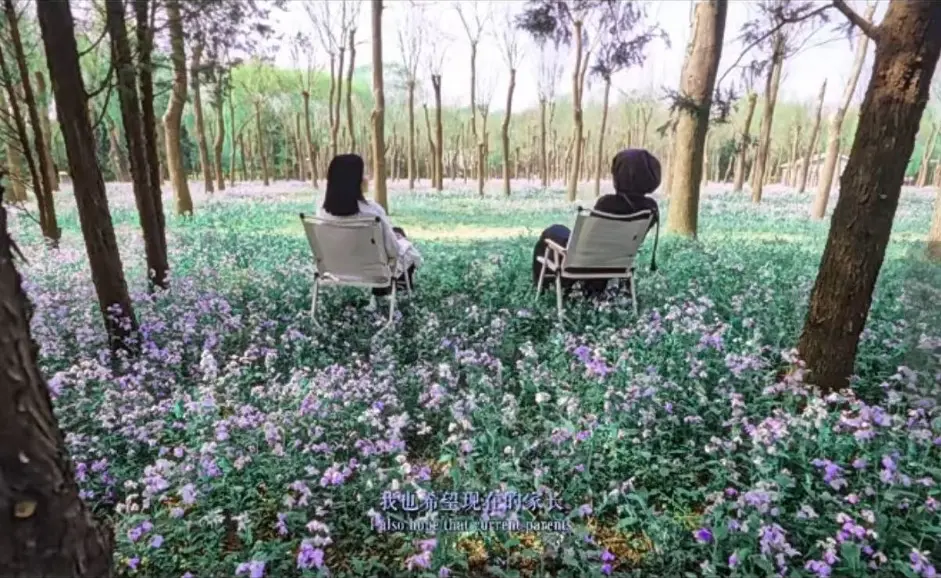
The Fan Xueyi sequence connects natural education to food, bees, flowers, childhood memory, parental care, desire and belief. Nature is not used as scenery or moral purity. It appears as a dense educational relation through which children learn interdependence, risk, sweetness, loss and the limits of human appetite.
The plant record opens an ecological argument about situated intelligence, adaptation and the limits of human-centred knowledge.
“植物的本能”资料开启关于在地智能、适应以及人类中心知识边界的生态论证。
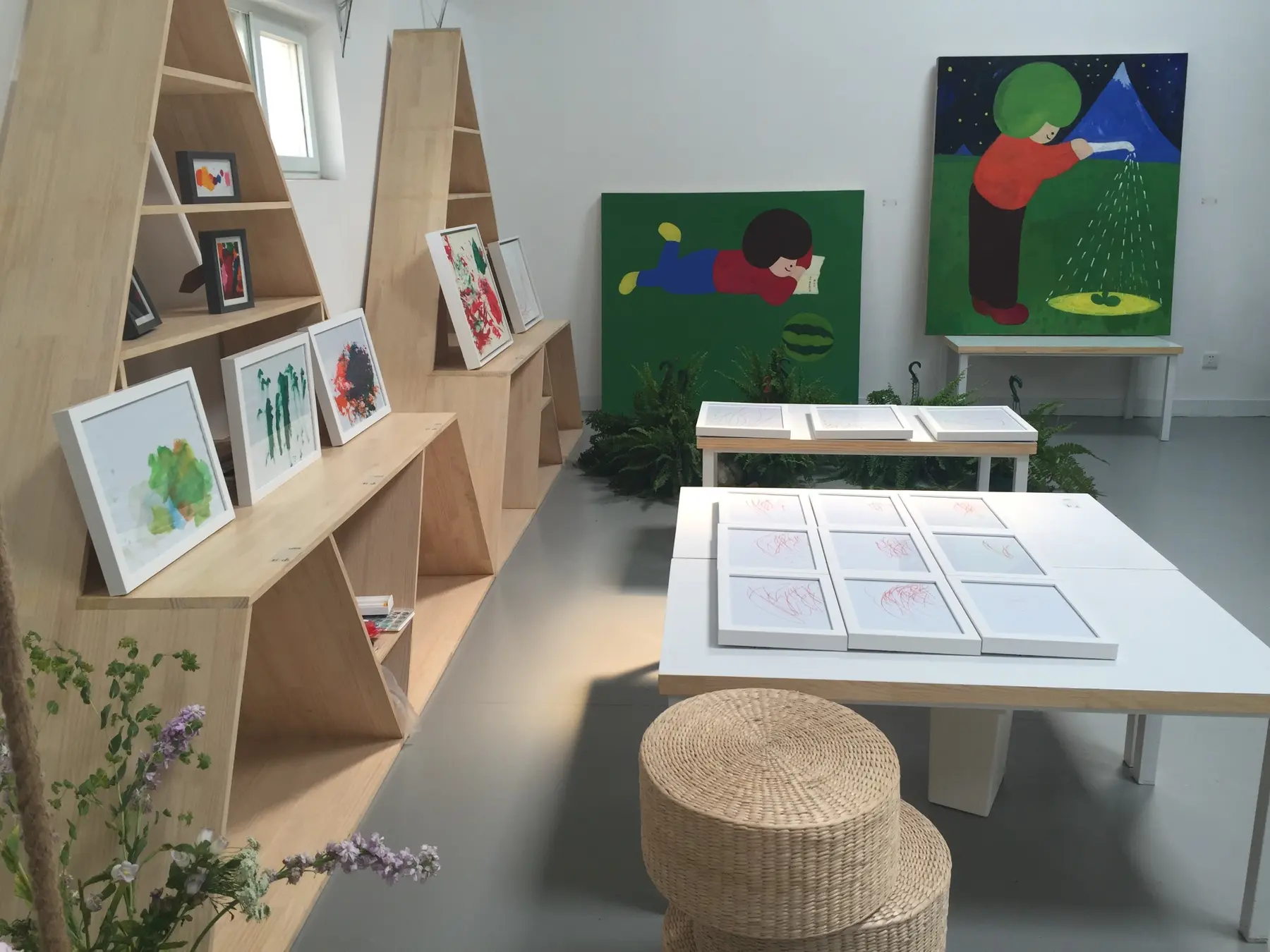
03 / RELATED ARCHIVE FRAME / 关联档案画面Plant and drawing detail植物与绘画
Plant matter interrupts the boundary between representation and the living material represented.
植物材料打断再现与被再现生命材料之间的边界。
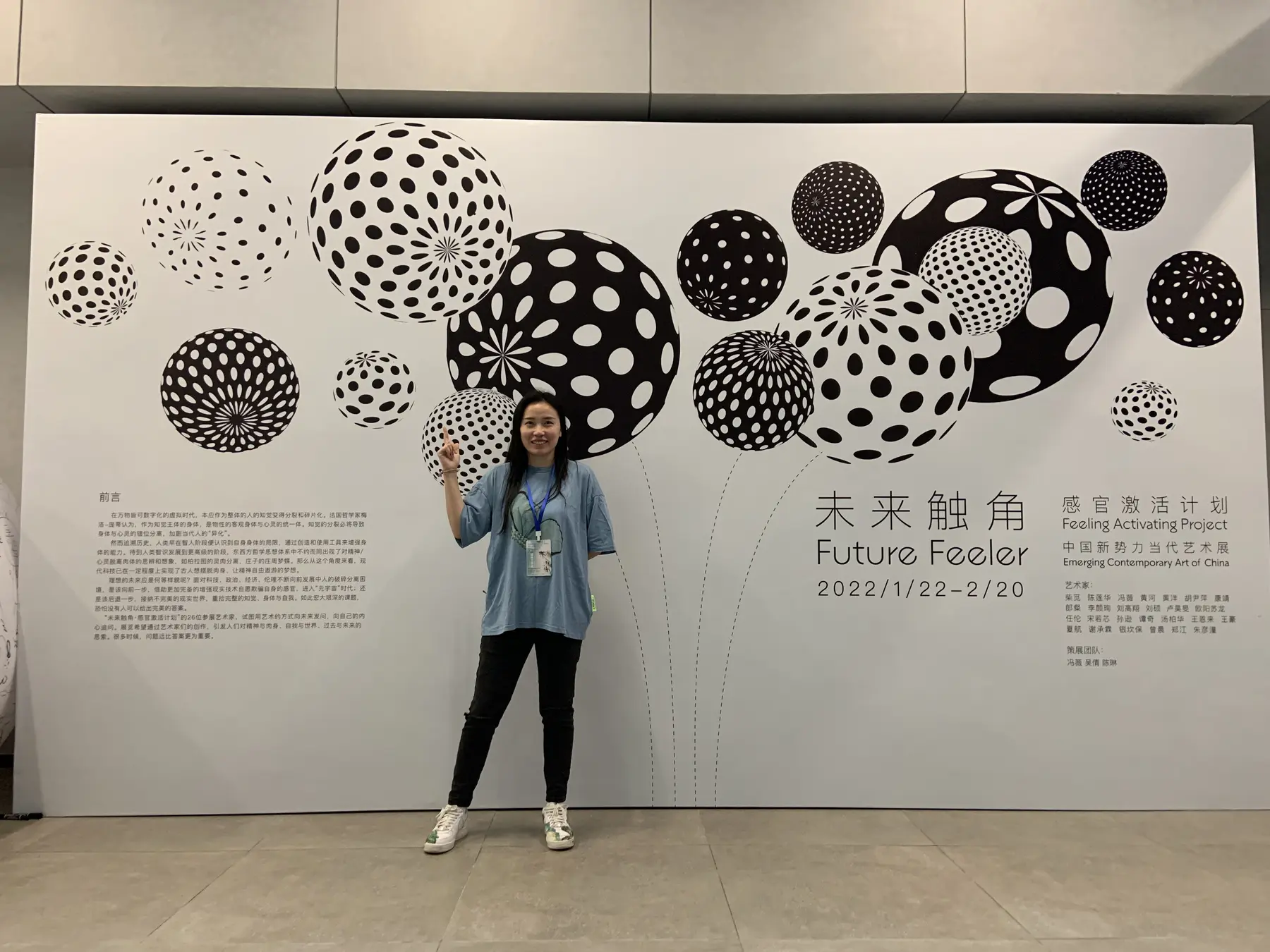
04 / RELATED ARCHIVE FRAME / 关联档案画面Encounter with the Future Feeler display展览语境
A body standing before the display turns exhibition viewing into a scale relation between image, text and visitor.
身体站在陈列前,使展览观看成为图像、文字与观看者之间的尺度关系。
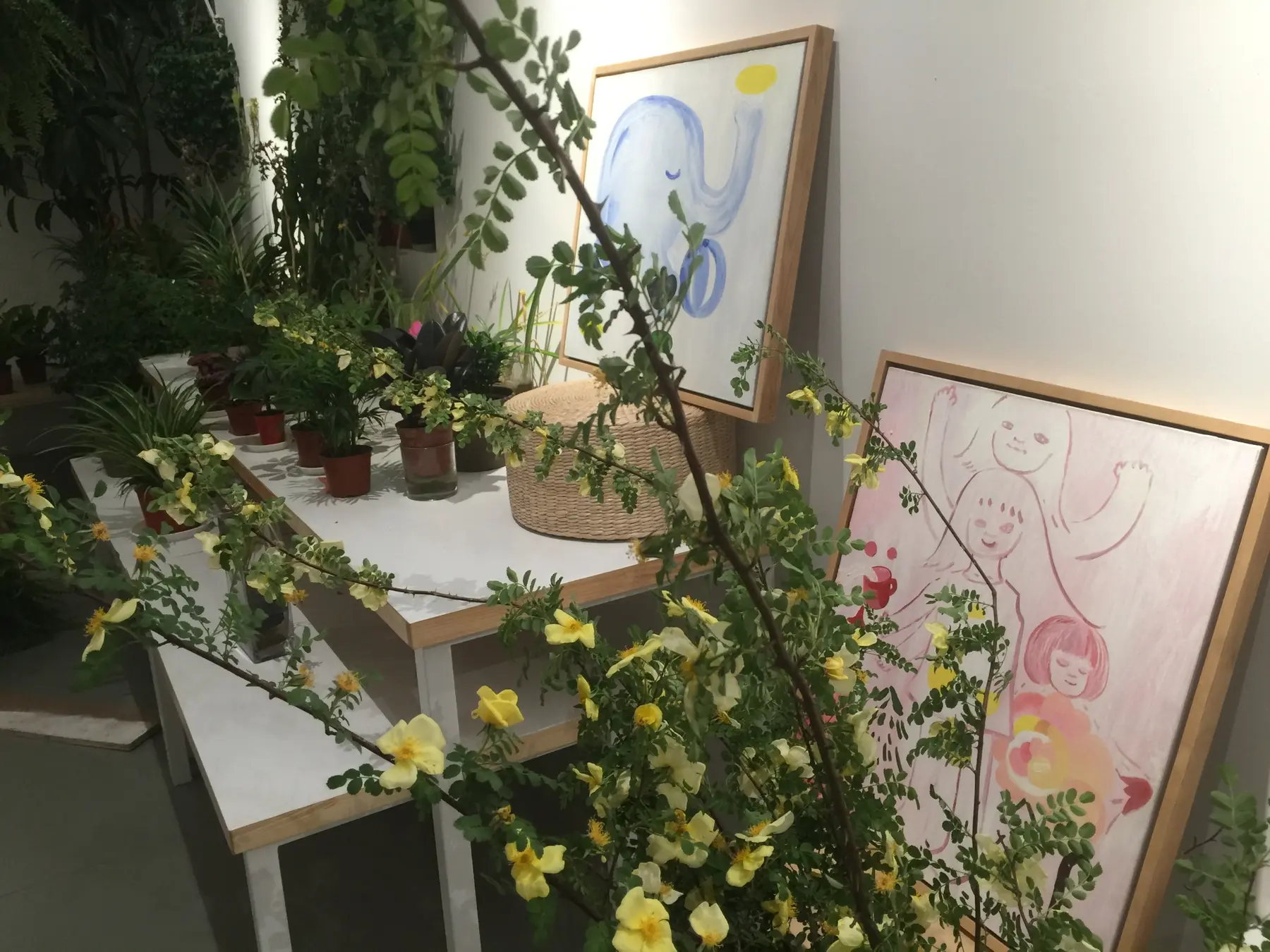
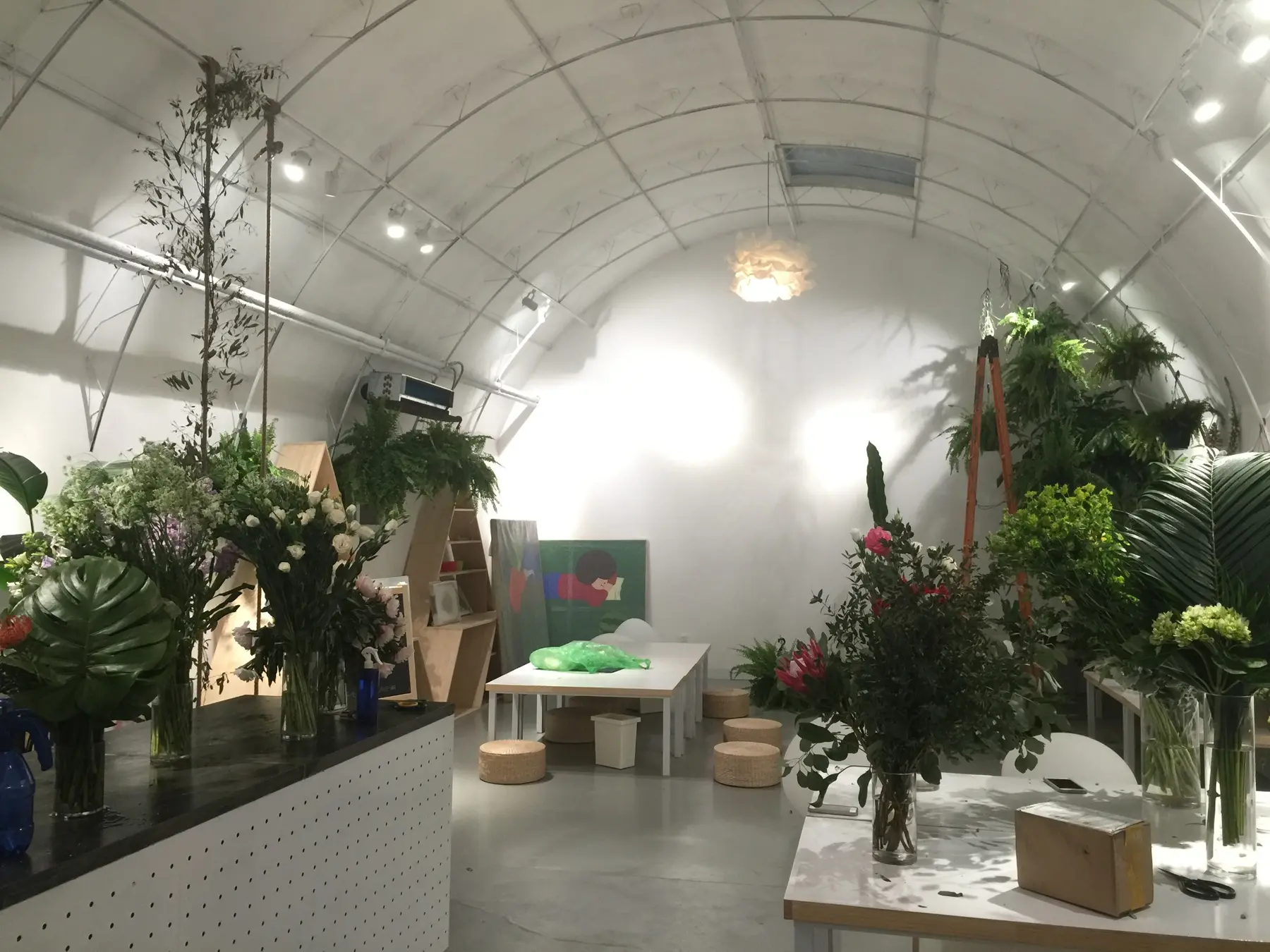
05 / RELATED ARCHIVE FRAME / 关联档案画面Plant installation room参与式环境
The room treats living growth, furniture and exhibition architecture as one unstable spatial system.
空间把生命生长、家具与展览建筑视为同一不稳定系统。
THREE THREADS / 三条线索
Follow the sequence, not only the quote.
沿着整个系列阅读,而不只停在一句话上。
01
Food, ecology and invisible dependence
食物、生态与隐形依赖
The distinction between food and packaged product opens toward pollination, soil and bodily fragility. Everyday consumption conceals ecological labour until disappearance makes dependence visible.
食物与工业食品的区分延伸到授粉、土壤与身体脆弱。日常消费遮蔽生态劳动,直到消失让依赖关系显形。
02
Childhood memory as environmental archive
童年记忆作为环境档案
Flowers, wild fruit and remembered landscapes operate as more than nostalgia. They record an environmental literacy that may become unbelievable to children when direct contact disappears.
The image of accompanying a child through snow rather than carrying them distinguishes care from substitution. Education protects the possibility of encounter without removing every difficulty in advance.
Remembered nature can recover ecological attention, but it can also idealise a childhood landscape and ignore its social conditions.
自然记忆能够恢复生态注意,也可能理想化童年景观并忽略其社会条件。
02
Protection / autonomy
保护/自主
Care must keep children safe while allowing direct experience, uncertainty and the formation of their own judgement.
照料既要保护儿童,也要允许直接经验、不确定性与自主判断形成。
FROM OUR PRACTICE / 回到我们的实践
Our questions let remembered objects carry an ecological argument. The interview moves from personal memory toward systems of food, education and care without erasing the affective specificity of the original image.