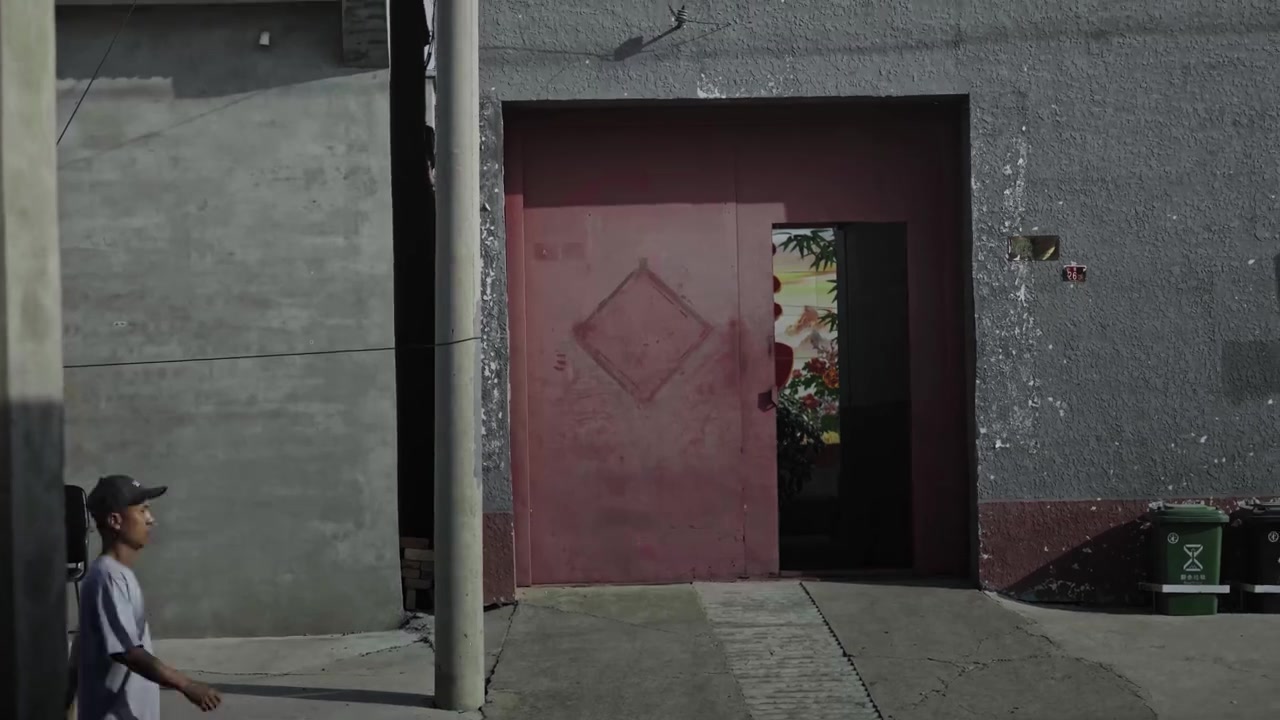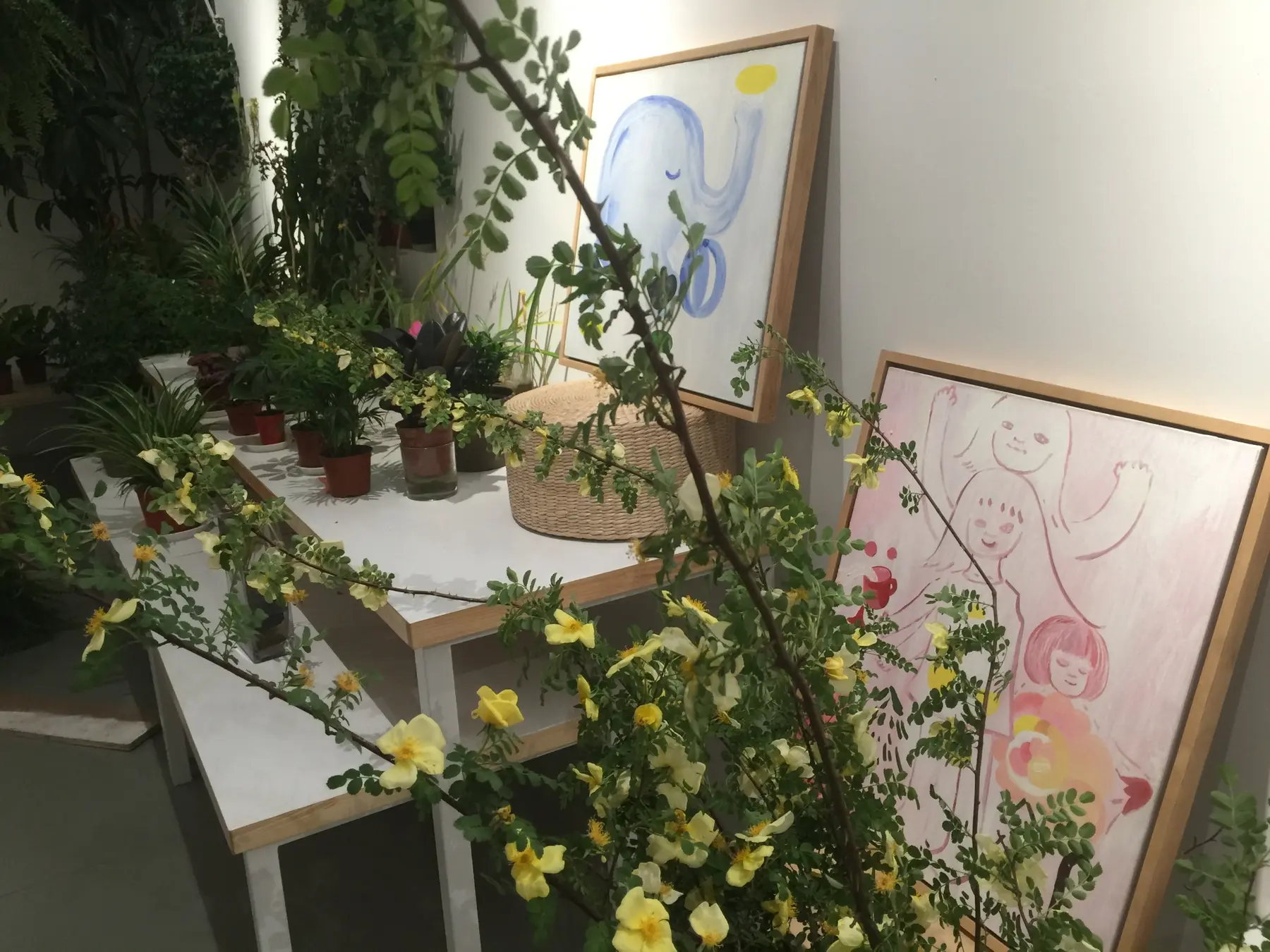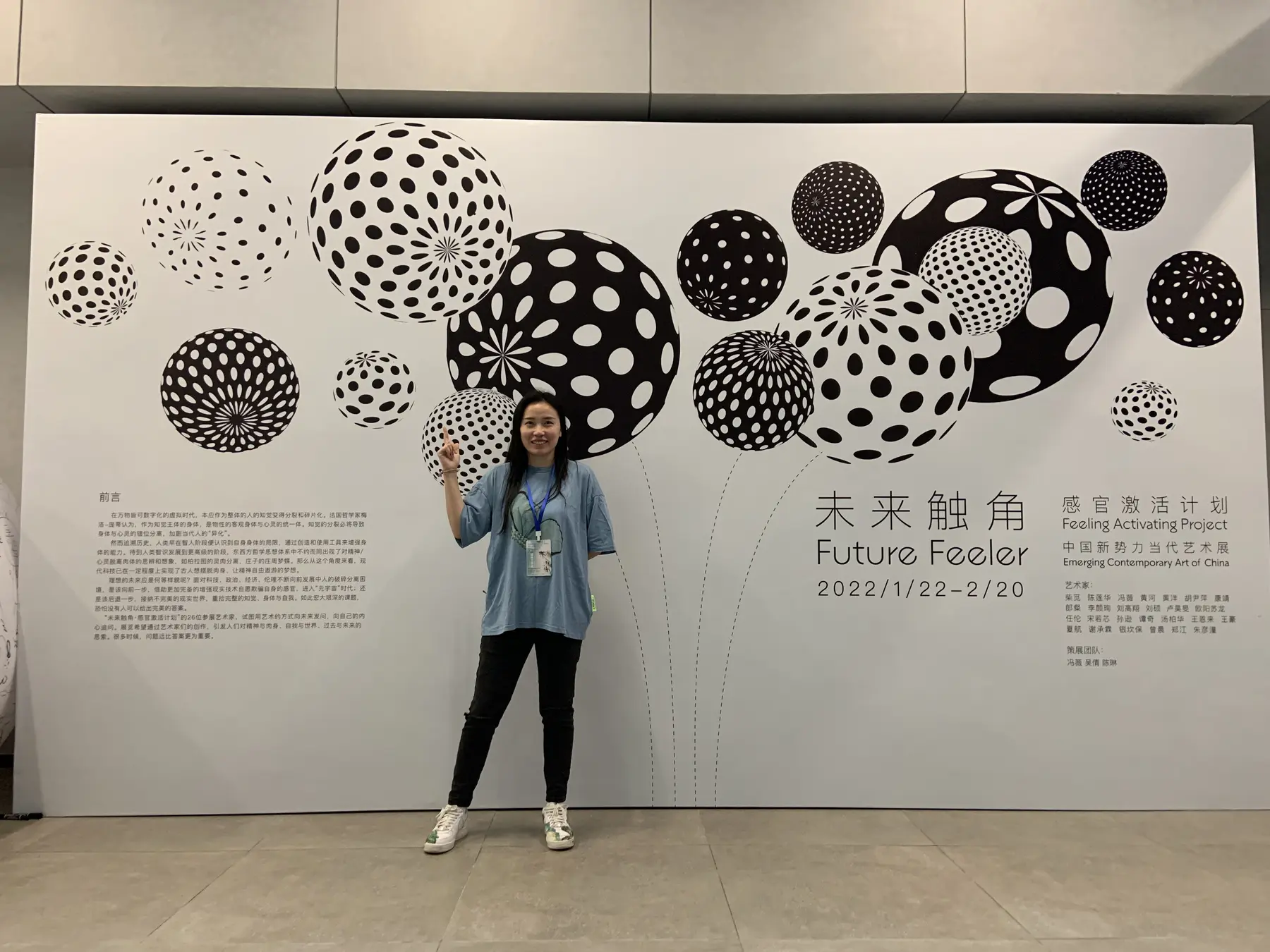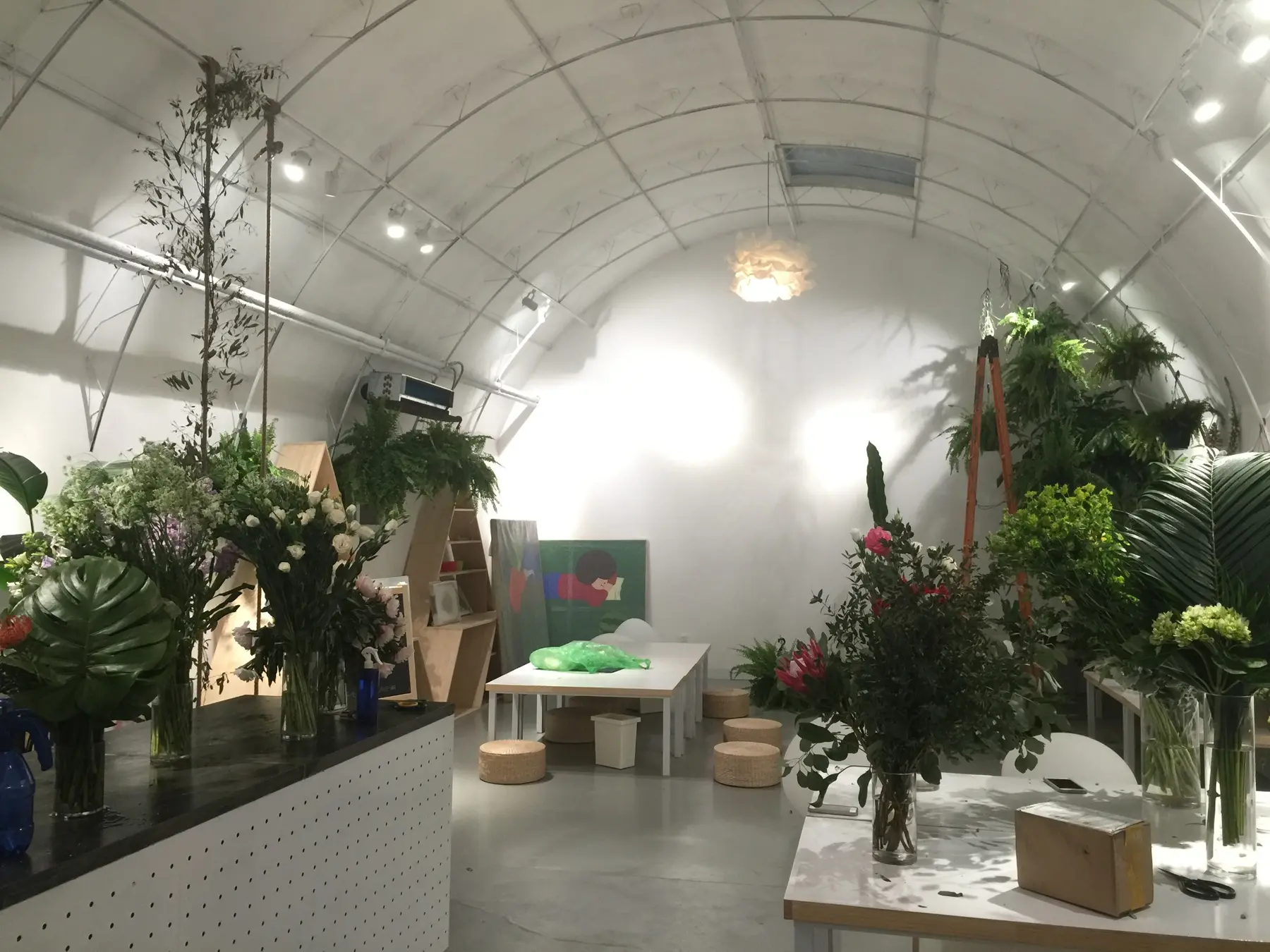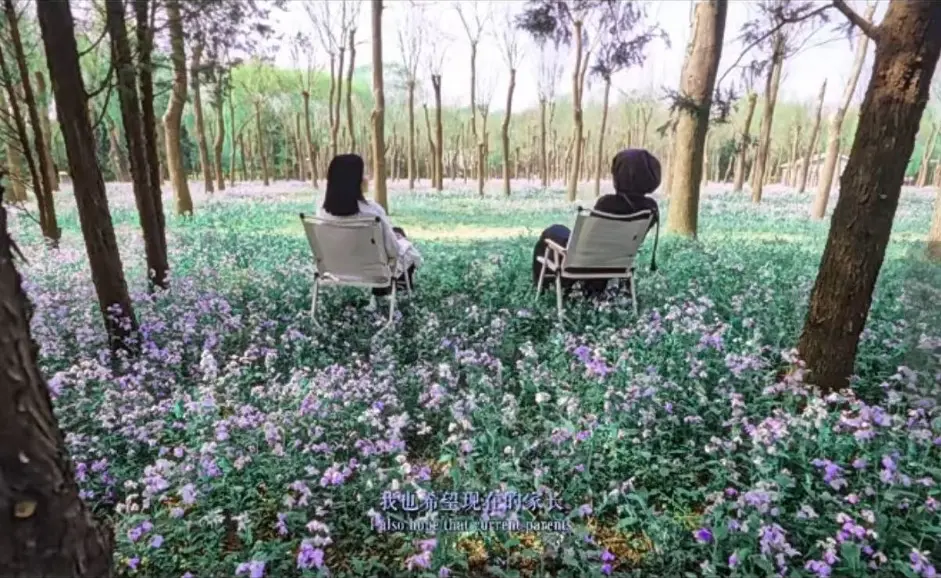
Eleven public records connect food, bees, flowers, wild fruit, childhood memory, parental care, desire and belief. The Fan Xueyi sequence treats nature neither as scenery nor as moral purity, but as an educational relation through which children learn dependence, risk, sweetness and loss. This paper argues that childhood memory can function as an environmental archive: not proof of a better past, but evidence that forms of ecological literacy disappear when direct relations with plants, animals and seasons are replaced by products and screens.
十一条公开资料把食物、蜜蜂、花朵、野果、童年记忆、父母照料、欲望与信念连接起来。范学宜系列不把自然视为风景或道德纯净,而是把它理解为教育关系:儿童在其中学习依赖、风险、甜蜜与失去。本文认为,童年记忆可以成为环境档案——它不是“过去更好”的证明,而是指出:当与植物、动物和季节的直接关系被商品与屏幕取代,某些生态识读能力也随之消失。
KEYWORDSchildhoodecological literacyfoodmemorycarenature education