What can improvisation teach art about education, labour and international circulation?
即兴能够让艺术重新理解教育、劳动与国际流通中的什么?
WU—LIAO / 孔宏伟WHY WE RETURN / 为什么再次回到这组对话
The Kong Hongwei sequence connects jazz to ear training, rhythm, visual education, Chinese musical histories, improvisation and the economics of performance. Music appears simultaneously as perceptual discipline, collective invention and precarious labour. The corpus resists both romanticising the musician and reducing music to a market outcome.
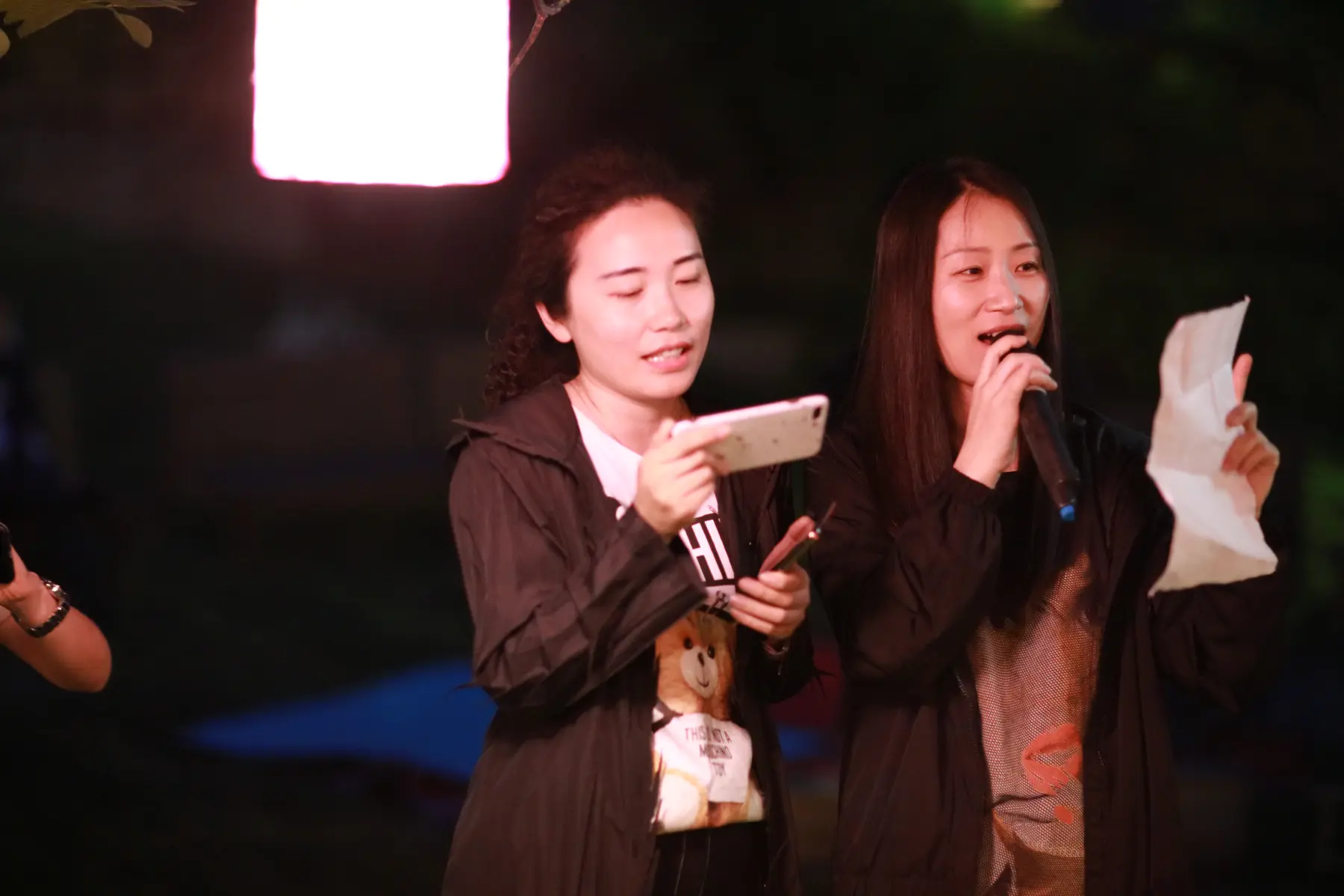
01 / RELATED ARCHIVE FRAME / 关联档案画面Stage reading archive舞台与声音
Shared reading makes voice collective: timing, hesitation and response become part of the work's live form.
共同朗读使声音获得集体性:节奏、迟疑与回应成为现场形式的一部分。
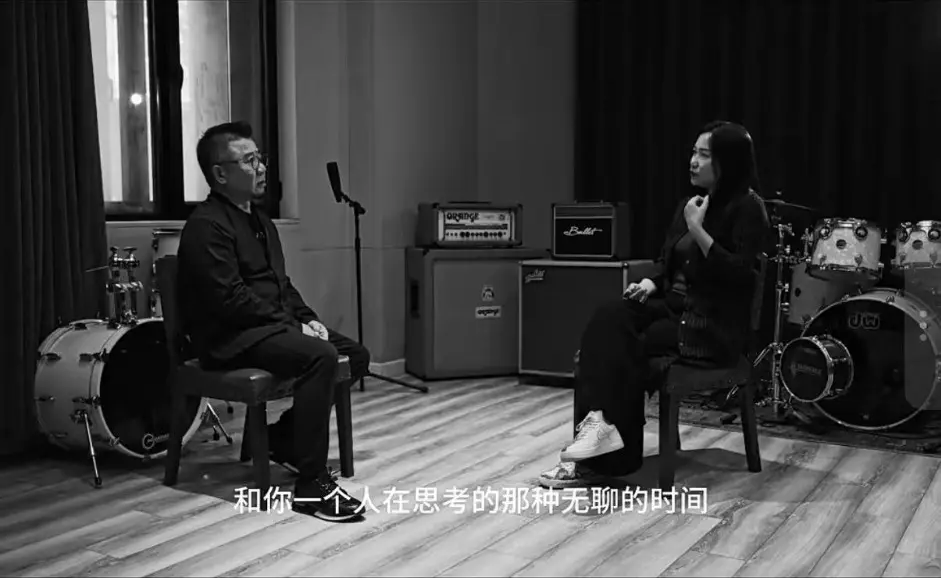
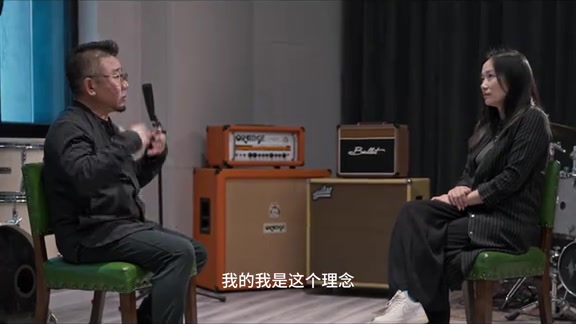
02 / RELATED ARCHIVE FRAME / 关联档案画面Every Artist Needs Music — selected source frame孔宏伟 × 吴倩
This frame supports the research strand on music education, improvisation and how rhythm translates across disciplines.
该画面支持关于音乐教育、即兴,以及节奏如何跨学科翻译的研究线。
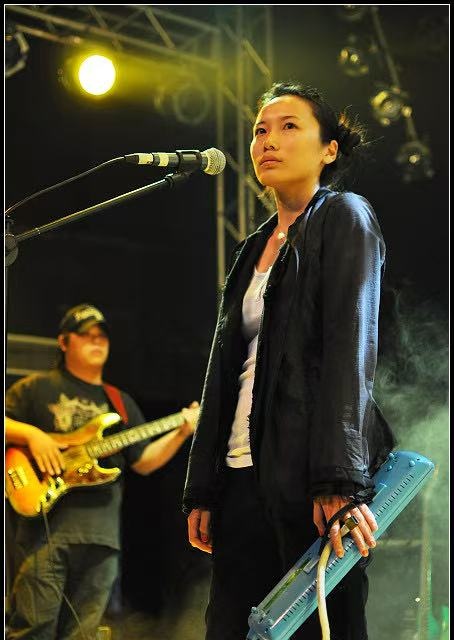
03 / RELATED ARCHIVE FRAME / 关联档案画面Live performance archive现场表演
The close frame keeps the body, microphone and stage relation at the centre of the image.
近距离画面把身体、麦克风与舞台关系保留在图像中心。
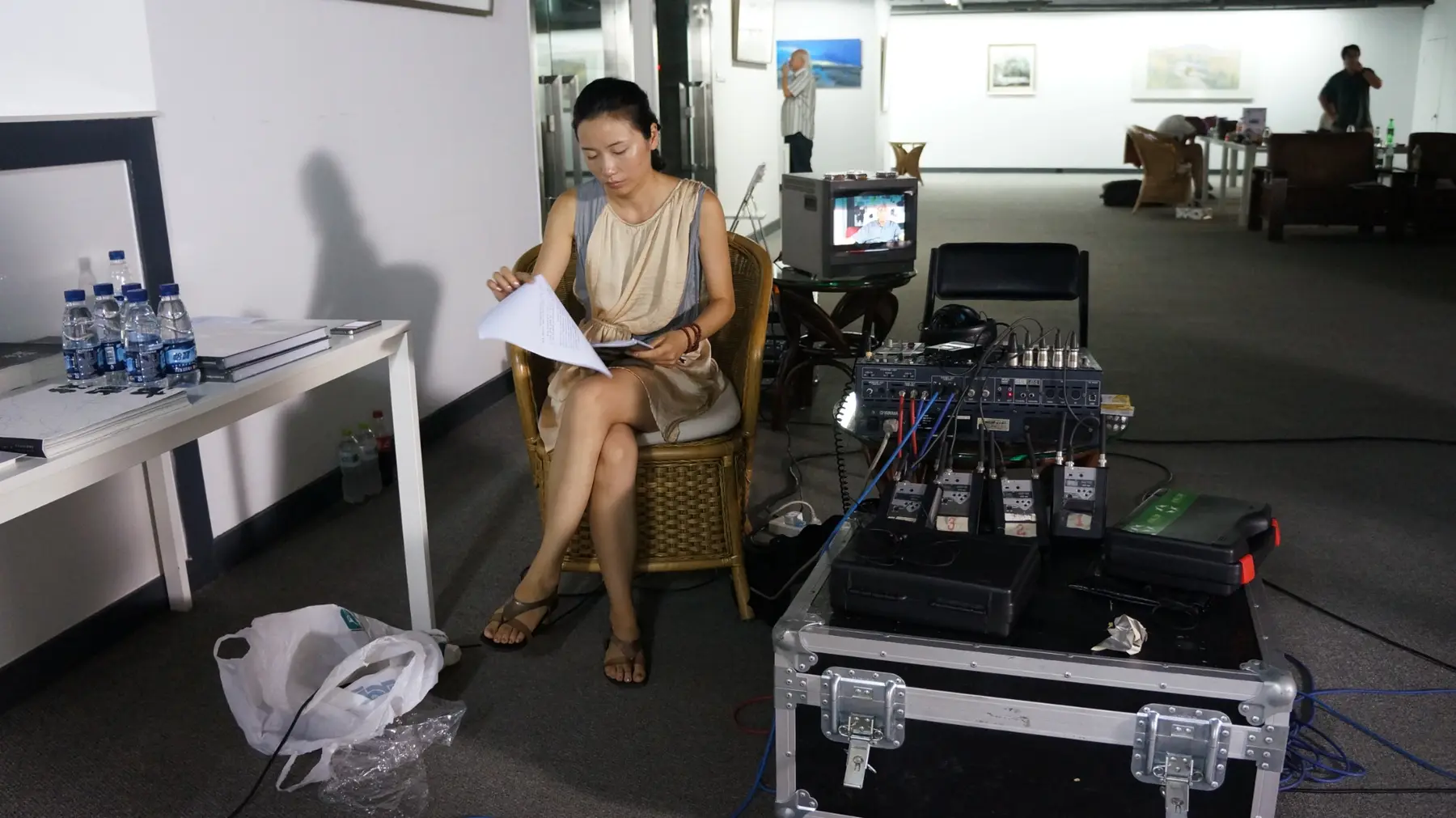
04 / RELATED ARCHIVE FRAME / 关联档案画面Sound production setup声音制作
Mixer, monitor, cables and seating reveal sound as an arranged field of audibility rather than invisible support.
调音台、监视器、线缆与座位揭示声音是被编排的可听场,而非隐形支持。
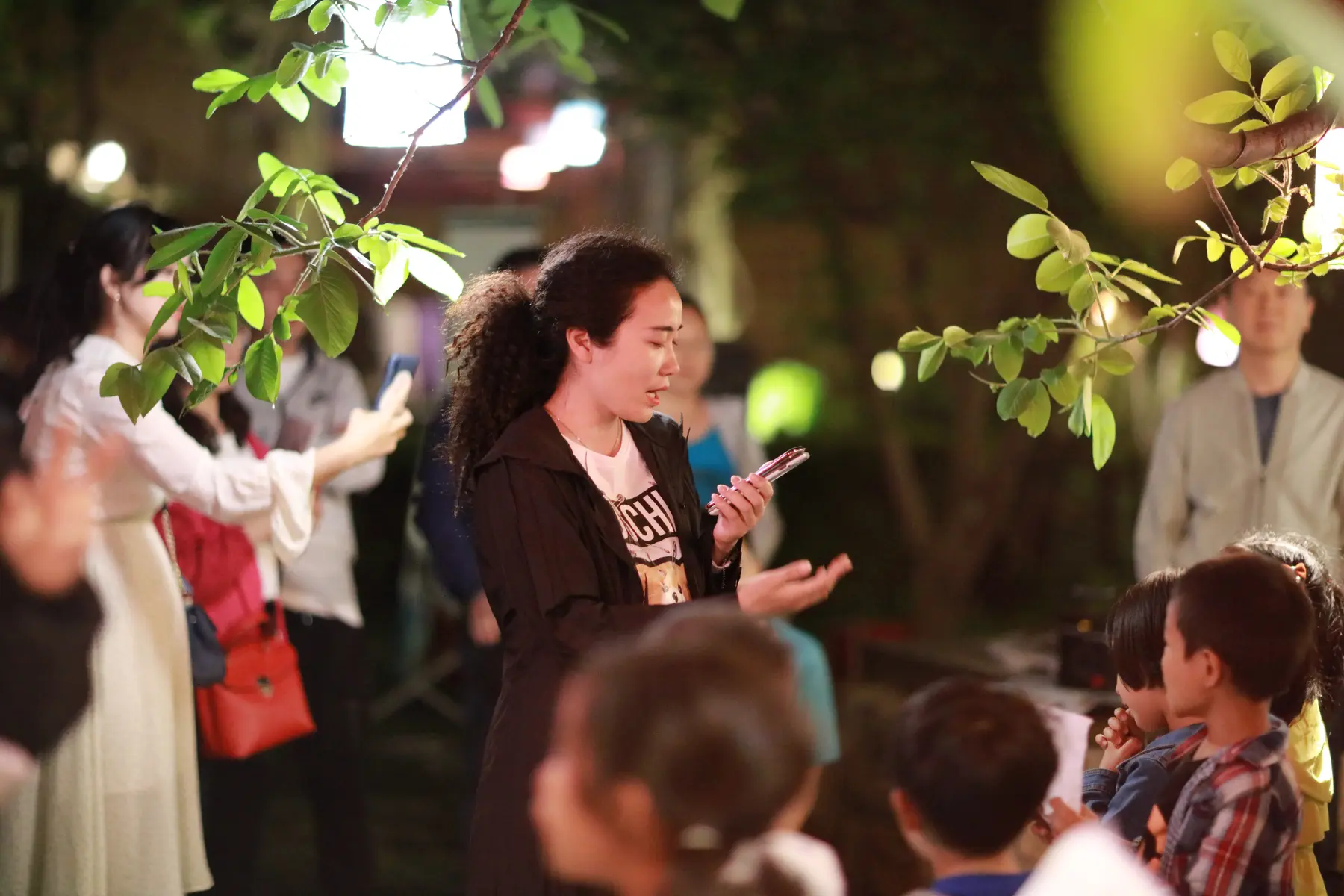
05 / RELATED ARCHIVE FRAME / 关联档案画面Voice in public space声音与公共空间
The speaking situation locates voice among listeners, plants and an informal environment rather than on a separated stage.
发言现场把声音置于听众、植物与非正式环境之间,而不是隔离的舞台上。
THREE THREADS / 三条线索
Follow the sequence, not only the quote.
沿着整个系列阅读,而不只停在一句话上。
01
Education as perceptual training
教育作为感知训练
Music education is framed not as specialist accreditation but as access to interval, rhythm, colour and collective listening. Improvisation challenges training when repetition becomes obedience rather than capacity.
The gap between cultural value, celebrity value, equipment and performance pay exposes how musical labour is ranked. Recognition can inflate a person while leaving the underlying ecology of work fragile.
Taking Chinese jazz outward is not presented as removing local difference. Personalised interweaving, historical influence and situated improvisation make circulation a process of translation rather than borderless sameness.
Improvisation depends on disciplined listening, yet discipline can become a convention that improvisation must interrupt.
即兴依赖严格倾听,但训练也可能凝固为必须被即兴打断的惯例。
02
International circulation / inequality
国际流通/不平等
Music may cross linguistic borders while stages, fees, institutions and historical recognition remain unevenly distributed.
音乐可以跨越语言边界,但舞台、费用、机构与历史认可仍然分配不均。
FROM OUR PRACTICE / 回到我们的实践
We translate musical propositions into a wider artistic vocabulary without treating sound as a decorative analogy. Rhythm becomes a practical question for editing, exhibition sequence, pedagogy and conversation itself.