03PAPER 03 / SOUND25 Aug 202618 min

WU—LIAO / 无不吴聊

Improvising the Public

即兴生成公共空间

Rhythm, pedagogy and situated internationalism across our conversations with Kong Hongwei

我们与孔宏伟的对话:节奏、教育与在地国际主义

Wu Qian in conversation with Kong Hongwei
Kong Hongwei / 孔宏伟
ABSTRACT / 摘要

Across eleven public records, the Kong Hongwei sequence connects ear training, rhythm, colour, improvisation, Chinese musical histories, touring and the economics of performance. Music appears as perceptual discipline, collective invention and precarious labour at once. This paper argues that improvisation should not be romanticised as freedom without structure. It is a situated technique for making relation under unequal conditions: a practice of listening, responding, translating and redistributing authority in real time.

孔宏伟系列由十一条公开资料构成,把视唱练耳、节奏、色彩、即兴、中国音乐史、巡演与演出经济连接起来。音乐同时表现为感知训练、集体发明与不稳定劳动。本文主张,即兴不能被浪漫化为没有结构的自由;它是一种在不平等条件下制造关系的在地技术:实时进行倾听、回应、翻译与权威再分配。

KEYWORDSimprovisationrhythmpedagogytranslationjazzartistic labour
VISUAL FIELD / 视觉现场05 IMAGES
Stage reading archive
01 / RELATED RESEARCH IMAGE / 关联研究图像Stage reading archive舞台与声音

Shared reading makes voice collective: timing, hesitation and response become part of the work's live form.

共同朗读使声音获得集体性:节奏、迟疑与回应成为现场形式的一部分。

Every Artist Needs Music — selected source frame
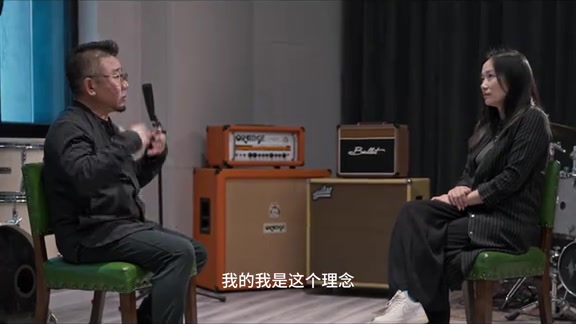
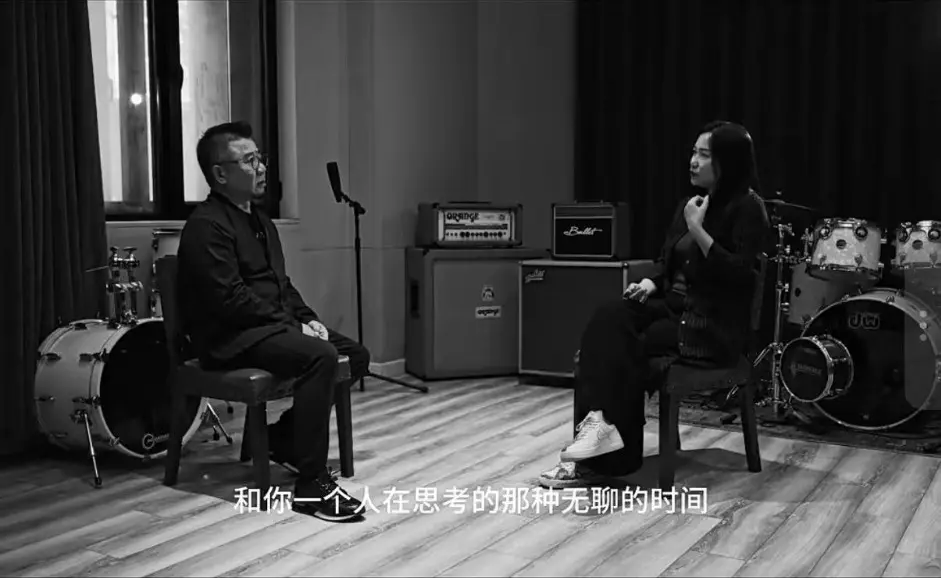
02 / RELATED RESEARCH IMAGE / 关联研究图像Every Artist Needs Music — selected source frame孔宏伟 × 吴倩

This frame supports the research strand on music education, improvisation and how rhythm translates across disciplines.

该画面支持关于音乐教育、即兴,以及节奏如何跨学科翻译的研究线。

Live performance archive
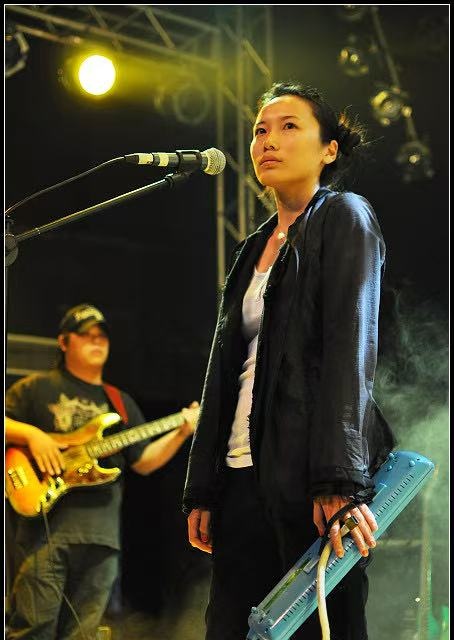
03 / RELATED RESEARCH IMAGE / 关联研究图像Live performance archive现场表演

The close frame keeps the body, microphone and stage relation at the centre of the image.

近距离画面把身体、麦克风与舞台关系保留在图像中心。

Sound production setup
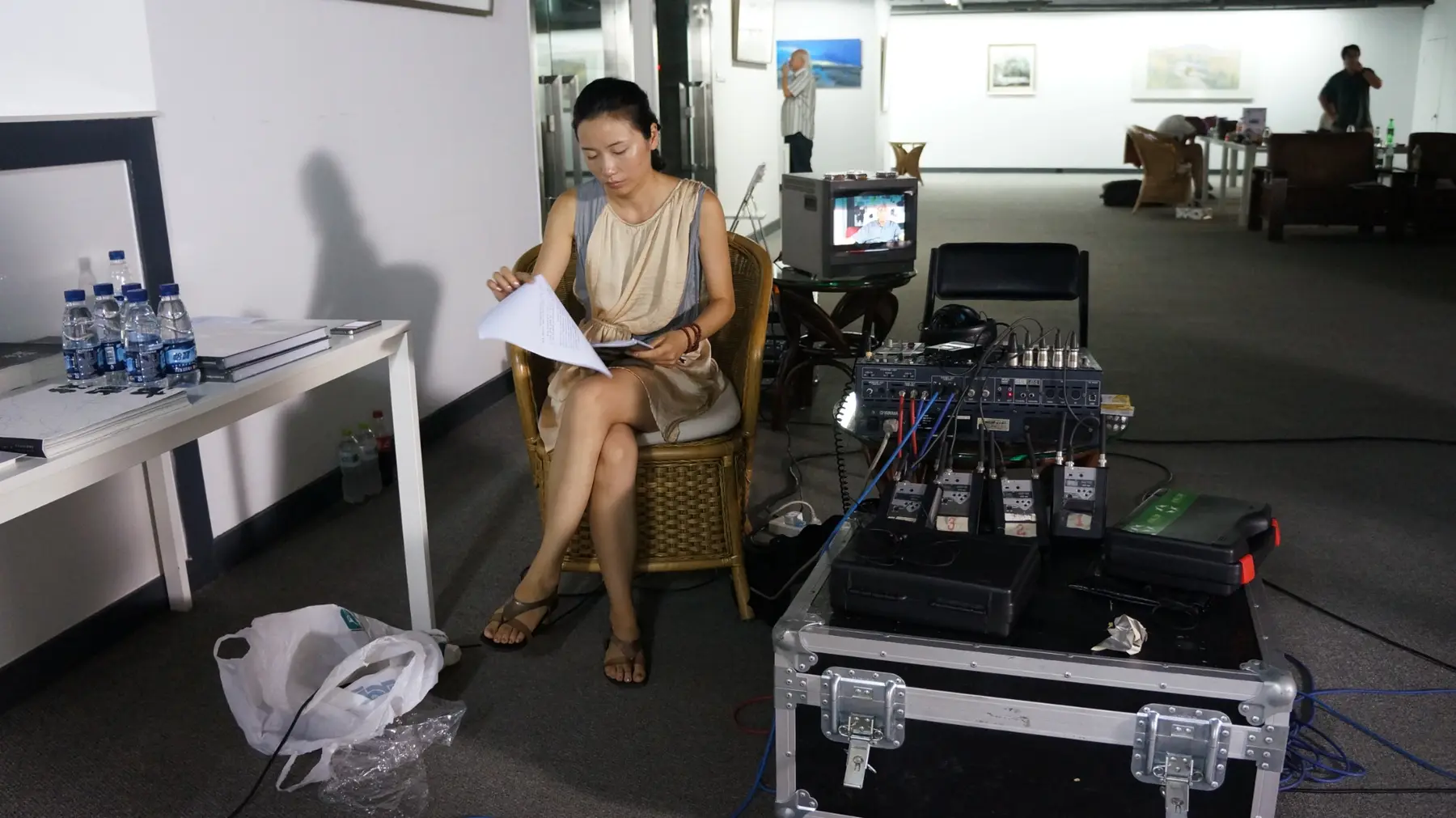
04 / RELATED RESEARCH IMAGE / 关联研究图像Sound production setup声音制作

Mixer, monitor, cables and seating reveal sound as an arranged field of audibility rather than invisible support.

调音台、监视器、线缆与座位揭示声音是被编排的可听场,而非隐形支持。

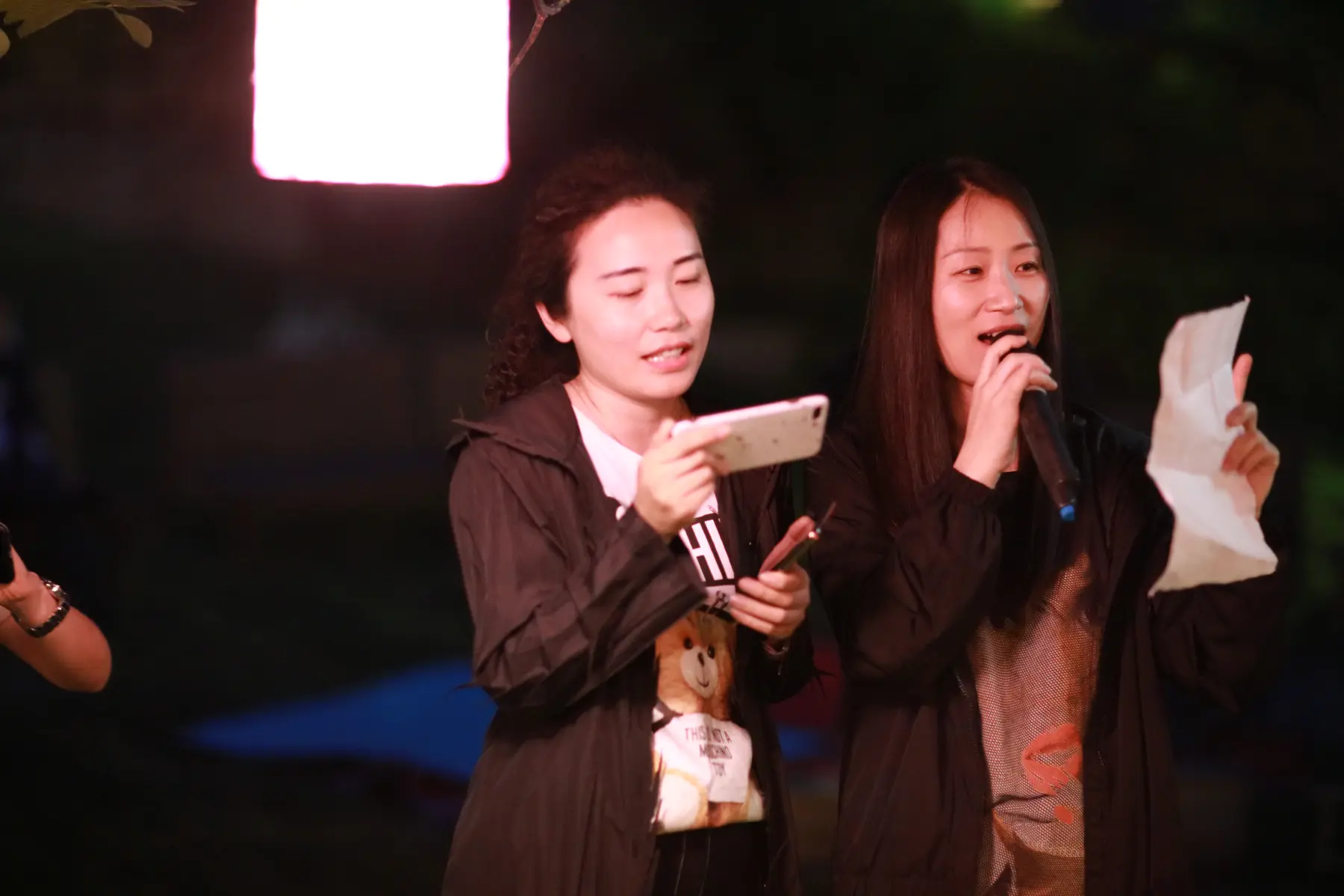
Voice in public space
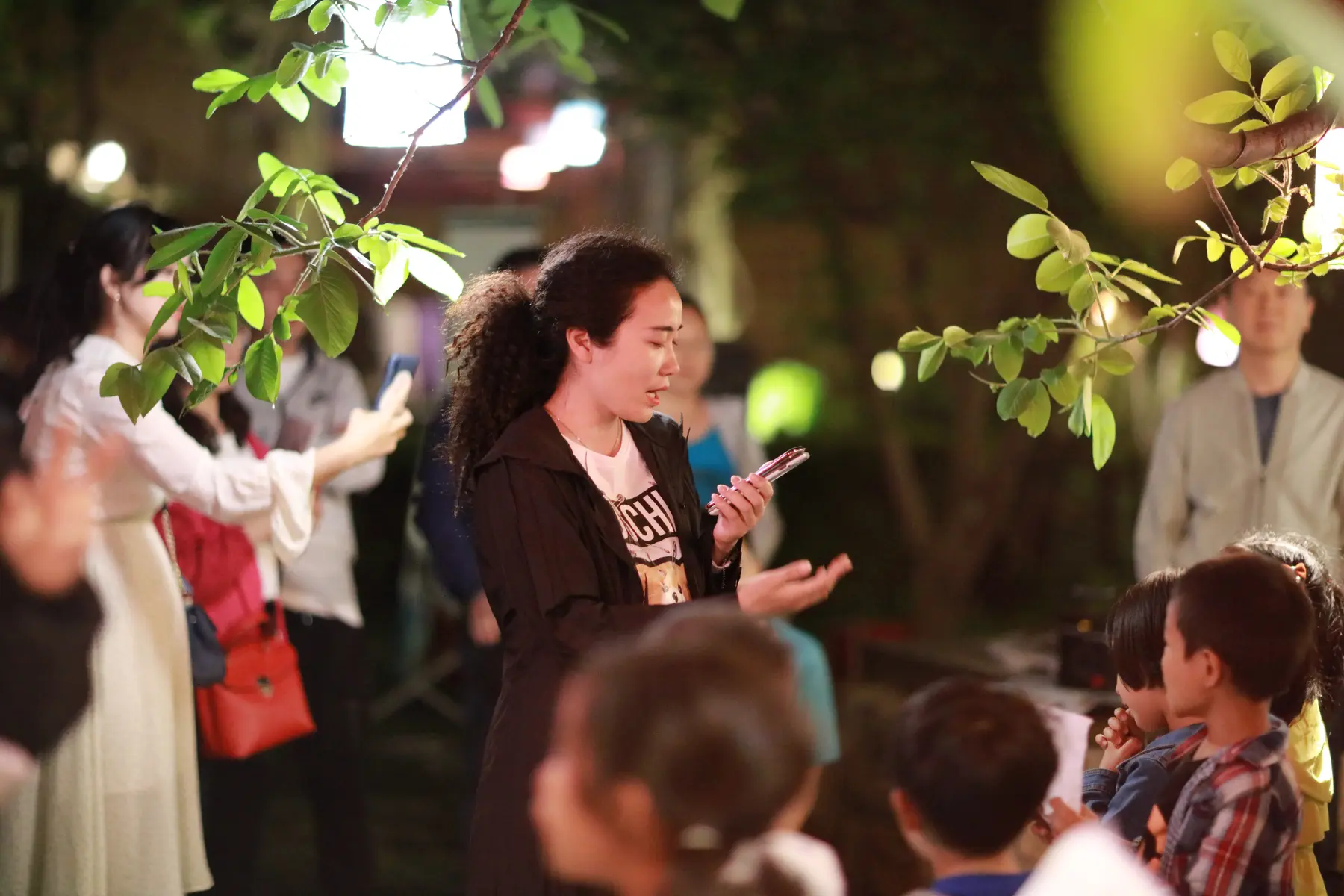
05 / RELATED RESEARCH IMAGE / 关联研究图像Voice in public space声音与公共空间

The speaking situation locates voice among listeners, plants and an informal environment rather than on a separated stage.

发言现场把声音置于听众、植物与非正式环境之间,而不是隔离的舞台上。

HOW WE READ / 我们如何阅读

We follow rhythm across music, teaching, touring, translation and livelihood, listening for the moment when a technical question becomes a question about how people share time.

我们追随节奏穿过音乐、教学、巡演、翻译与生计,倾听一个技术问题如何转变为人们怎样共享时间的问题。

01

Rhythm is a transversal structure

节奏是一种横贯结构

In 'Every Artist Needs Music', rhythm and colour create a bridge between music, painting, photography and other practices. The claim is strongest when it is not reduced to synaesthetic decoration. Rhythm names how attention is distributed across time: what returns, what interrupts, how long a pause lasts and when difference becomes perceptible.

在《搞艺术的都要上音乐课》中,节奏与色彩在音乐、绘画、摄影等实践之间建立桥梁。若不把它缩减为联觉装饰,这一主张最为有力。节奏命名注意力如何在时间中分配:什么返回,什么打断,停顿持续多久,差异何时变得可感。

In our practice, musical thinking becomes an editorial and curatorial instrument. A cut has rhythm; a sequence of questions has rhythm; an exhibition route has rhythm. The point is not that all art becomes music, but that temporal relation can be composed even where no sound is present.

在我们的实践中,音乐思维转化为编辑与策展工具。剪辑有节奏,问题序列有节奏,展览路径也有节奏。重点不是让所有艺术都变成音乐,而是即使没有声音,时间关系仍然能够被编排。

FILMS + CONVERSATIONS / 相关影像与对话KH-01
02

Education builds access before taste

教育先建立入口,再形成品味

The education conversation proposes music as training for artists because rhythm, timing and tonal relation enlarge what a practitioner can notice. Its important pedagogical claim is sequential: first create access, then allow judgement. Taste should not operate as a gate that excludes an unfamiliar form before perception has had time to meet it.

关于教育的对话把音乐视为艺术家的训练,因为节奏、时间与音色关系能够扩展实践者可以注意到的事物。其重要教育主张具有顺序性:先建立入口,再允许判断发生。品味不应成为一道门,在感知尚未与陌生形式相遇之前就将其排除。

Other captions on sight-singing, ear training and breaking traditional methods add a necessary tension. Training makes improvisation possible by building memory and response, yet repetition can become obedience when the method protects itself from interruption. Education is therefore judged by whether it expands the learner's capacity to hear and answer, not by whether it reproduces the teacher's authority.

关于视唱练耳与打破传统训练的其他文案补充了必要张力。训练通过建立记忆与回应能力使即兴成为可能;但当方法拒绝被打断时,重复也可能变成服从。因此,教育应以是否扩展学习者倾听与回答的能力来判断,而不是以是否复制教师权威来判断。

FILMS + CONVERSATIONS / 相关影像与对话KH-01KH-03
03

No borders is not no history

无国界不等于无历史

'Taking Chinese Jazz Outward' begins from the phrase that real music has no borders. A celebratory reading would imagine sound moving frictionlessly between nations. The conversation offers a more precise account: instruments, improvisation and local listening meet without lyrics guaranteeing common meaning. Relation is produced through adjustment, not through the disappearance of difference.

《把中国爵士乐带出去》从“真正的音乐没有国界”出发。庆祝式阅读会想象声音在国家之间无摩擦流动;但这次对话提出了更精确的理解:乐器、即兴与当地听觉相遇,却没有歌词保证共同意义。关系通过调整产生,而不是通过差异消失。

This is a situated internationalism. Chinese instruments and jazz histories do not arrive as pure national essences, nor are they dissolved into a global style. They enter a performance as layered histories whose differences can remain partly opaque. Translation succeeds not when everything becomes transparent, but when participants can respond without demanding equivalence.

这是一种在地国际主义。中国乐器与爵士历史既不是纯粹民族本质,也不会被溶解为全球风格。它们以层叠历史进入演出,差异可以保持部分不透明。翻译的成功不在一切变得透明,而在参与者能够回应,却不要求彼此等同。

FILMS + CONVERSATIONS / 相关影像与对话KH-02KH-03
04

Improvisation redistributes authorship

即兴重新分配作者性

Improvisation is often opposed to preparation, as though freedom begins where technique ends. The sequence suggests the reverse: improvisation requires a dense readiness to hear. What changes is the location of authority. No single participant can predetermine the whole without destroying the responsive relation that allows the work to emerge.

即兴常被置于准备的对立面,仿佛技术结束之处自由才开始。该系列提示相反关系:即兴需要高度密集的倾听准备。变化的是权威所在。任何单一参与者都无法预先决定整体,否则使作品得以出现的回应关系就会被破坏。

This model illuminates the interview itself. Wu Qian authors the invitation, question, duration and edit, but the resulting thought cannot be reduced to her intention. Authorship lies in composing conditions for an answer that can alter the next question. The ethical test is whether editing preserves that alteration or converts the participant back into a predetermined message.

这一模型也照亮访谈本身。吴倩编排邀请、问题、时长与剪辑,但产生的思想不能被还原为她的意图。作者性在于构成一种条件,使回答能够改变下一个问题。伦理检验在于:剪辑是否保存这种改变,还是把受访者重新压缩为预设信息。

05

The public is also an economy of labour

公共空间也是劳动经济

Caption records on marriage, low income, stagnant performance fees, expensive equipment and celebrity value interrupt any romantic portrait of the musician. Cultural recognition and material support do not rise together. A scene may celebrate originality while distributing insecurity to the people whose labour sustains it.

关于婚姻、低收入、停滞演出费、昂贵设备与明星价值的文案,打断了对音乐人的浪漫肖像。文化认可与物质支持并不会同步上升;一个场景可以赞美原创,同时把不安全感分配给维持它运转的劳动者。

The phrase 'improvising the public' must therefore include infrastructure. Stages, rehearsal time, travel, fees, credit and archives decide who can continue responding in public. The artistic politics of improvisation lies not only in what happens during performance, but in whether the surrounding conditions allow a diverse field of performers to remain present over time.

因此,“即兴生成公共空间”必须包含基础设施。舞台、排练时间、旅行、费用、署名与档案决定谁能够持续在公共空间回应。即兴的艺术政治不仅发生在演出过程中,也发生在周边条件能否让多样表演者长期保持在场。

FILMS + CONVERSATIONS / 相关影像与对话KH-03
FILMS + CONVERSATIONS / 影像与对话

Material behind this paper

这篇文章所使用的影像与对话

RELATED READING / 延伸阅读

Books and essays we place beside the conversation

我们与这组对话并置阅读的书与文章

  1. 01
    Rhythm, Improvisation and Translation / 节奏、即兴与翻译George E. Lewis, A Power Stronger Than Itself, University of Chicago Press, 2008.

    Links improvisation, experimental practice, collective agency and racialised institutions.

    连接即兴、实验实践、集体行动与种族化制度。

  2. 02
    Rhythm, Improvisation and Translation / 节奏、即兴与翻译Édouard Glissant, Poetics of Relation, University of Michigan Press, 1997.

    Supports relation and opacity without demanding transparent sameness.

    支持关系与不透明权,同时拒绝透明同一性。

  3. 03
    Rhythm, Improvisation and Translation / 节奏、即兴与翻译Jacques Attali, Noise: The Political Economy of Music, University of Minnesota Press, 1985.

    Reads musical organisation as an anticipation of social and economic order.

    把音乐组织理解为社会经济秩序的预演。

  4. 04
    Rhythm, Improvisation and Translation / 节奏、即兴与翻译Georgina Born, Eric Lewis and Will Straw, eds., Improvisation and Social Aesthetics, Duke University Press, 2017.

    Treats improvisation as social organisation across artistic and everyday practices.

    把即兴理解为跨越艺术与日常实践的社会组织。

  5. 05
    Rhythm, Improvisation and Translation / 节奏、即兴与翻译Brandon LaBelle, Background Noise: Perspectives on Sound Art, Bloomsbury, 2015 edition.

    Locates sound art through architecture, social space and listening situations.

    通过建筑、社会空间与倾听情境定位声音艺术。

  6. 06
    Pedagogy and Perception / 教育与感知Elliot W. Eisner, The Arts and the Creation of Mind, Yale University Press, 2002.

    Explains how artistic practice cultivates forms of judgement unavailable to fixed rules.

    说明艺术实践如何培养固定规则无法替代的判断形式。

  7. 07
    Pedagogy and Perception / 教育与感知bell hooks, Teaching to Transgress, Routledge, 1994.

    Treats the classroom as a situated practice of freedom, voice and embodied presence.

    把课堂理解为自由、声音与身体在场的实践。

  8. 08
    Pedagogy and Perception / 教育与感知John Dewey, Art as Experience, Perigee/Penguin, 2005 edition.

    Locates art within patterned experience rather than isolated cultural objects.

    把艺术置于有结构的经验中,而不是孤立文化物件中。

  9. 09
    Pedagogy and Perception / 教育与感知Paulo Freire, Pedagogy of the Oppressed, Bloomsbury Academic, 2018 edition.

    Opposes banking education with dialogical, problem-posing inquiry.

    以对话式、问题化研究反对储蓄式教育。

  10. 10
    Pedagogy and Perception / 教育与感知Jacques Rancière, The Ignorant Schoolmaster, Stanford University Press, 1991.

    Questions explanatory hierarchy and the presumption of unequal intelligence.

    质疑解释等级与智力不平等的预设。

  11. 11
    Production, Infrastructure and Care / 制片、基础设施与照料Shannon Jackson, Social Works, Routledge, 2011.

    Makes support systems and institutional maintenance central to socially engaged art.

    把支持系统与制度维护置于社会参与艺术的中心。

  12. 12
    Production, Infrastructure and Care / 制片、基础设施与照料Howard S. Becker, Art Worlds, 25th anniversary edition, University of California Press, 2008.

    Shows artistic production as coordinated activity among many visible and invisible contributors.

    把艺术生产揭示为众多可见与不可见参与者的协调活动。