NPC, animality and the politics of attention across our conversations with Sun Xun
我们与孙逊的对话:NPC、动物性与注意力政治
Sun Xun / 孙逊ABSTRACT / 摘要
Across nine public moving-image records, the Sun Xun sequence asks how a subject can recognise and interrupt the scripts that organise action. The figure of the NPC does not simply describe digital alienation. It connects bodily habit, animal appetite, education, boredom, artistic creation and platform authority. This paper argues that the sequence relocates selfhood from a hidden essence to a repeated practice of attention: the capacity to notice which programme is acting, to suspend automatic response and to risk a different relation to the world.
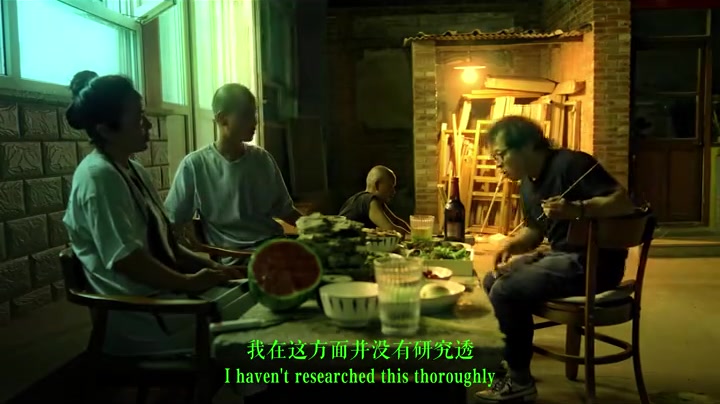
01 / RELATED RESEARCH IMAGE / 关联研究图像Consciousness / source frame意识 / 资料帧
Brain, heart and breath remain competing images for consciousness rather than a single settled location.
大脑、心与呼吸在这里仍是意识的多重图像,而非唯一确定的位置。
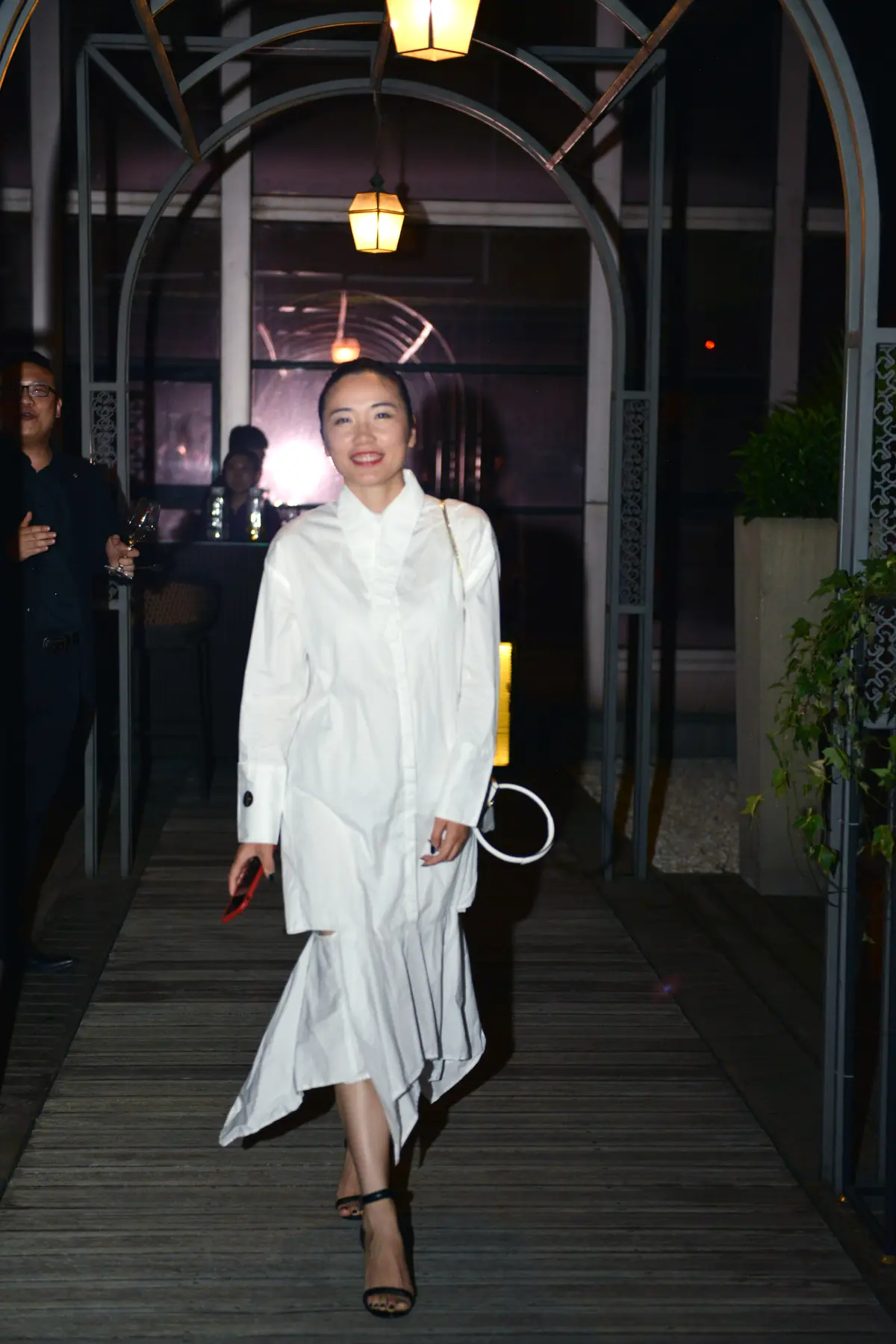
02 / RELATED RESEARCH IMAGE / 关联研究图像Night performance or field archive夜间现场
The full-body frame holds posture, costume and exposure against the darkness of the site.
全身画面把姿态、服装与身体暴露留在夜间现场的黑暗之中。
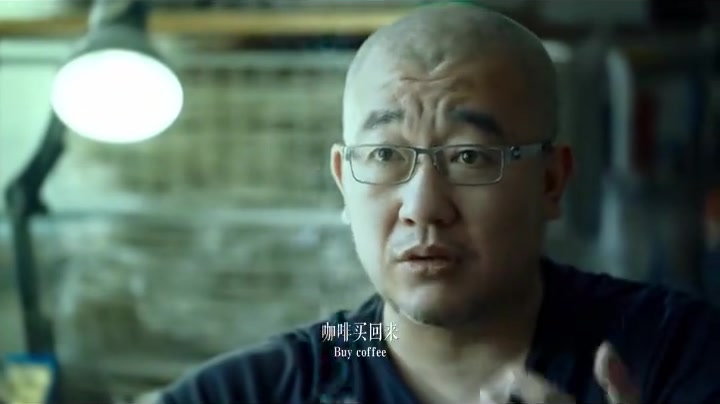
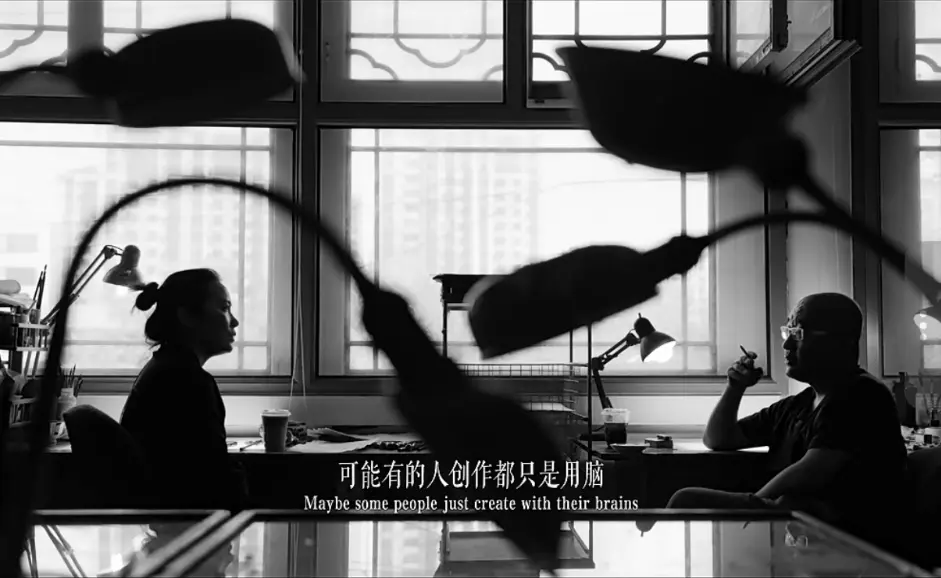
03 / RELATED RESEARCH IMAGE / 关联研究图像How Do We Use the Heart? — selected source frame孙逊 / 心与脑
The selected record stages heart and brain as working metaphors for embodied attention rather than anatomical conclusions.
重点资料把“心/脑”作为具身注意的工作隐喻,而不是解剖学结论。
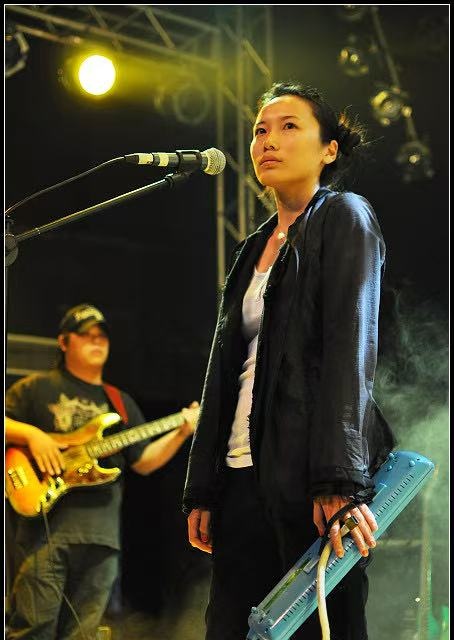
04 / RELATED RESEARCH IMAGE / 关联研究图像Live performance archive现场表演
The close frame keeps the body, microphone and stage relation at the centre of the image.
近距离画面把身体、麦克风与舞台关系保留在图像中心。
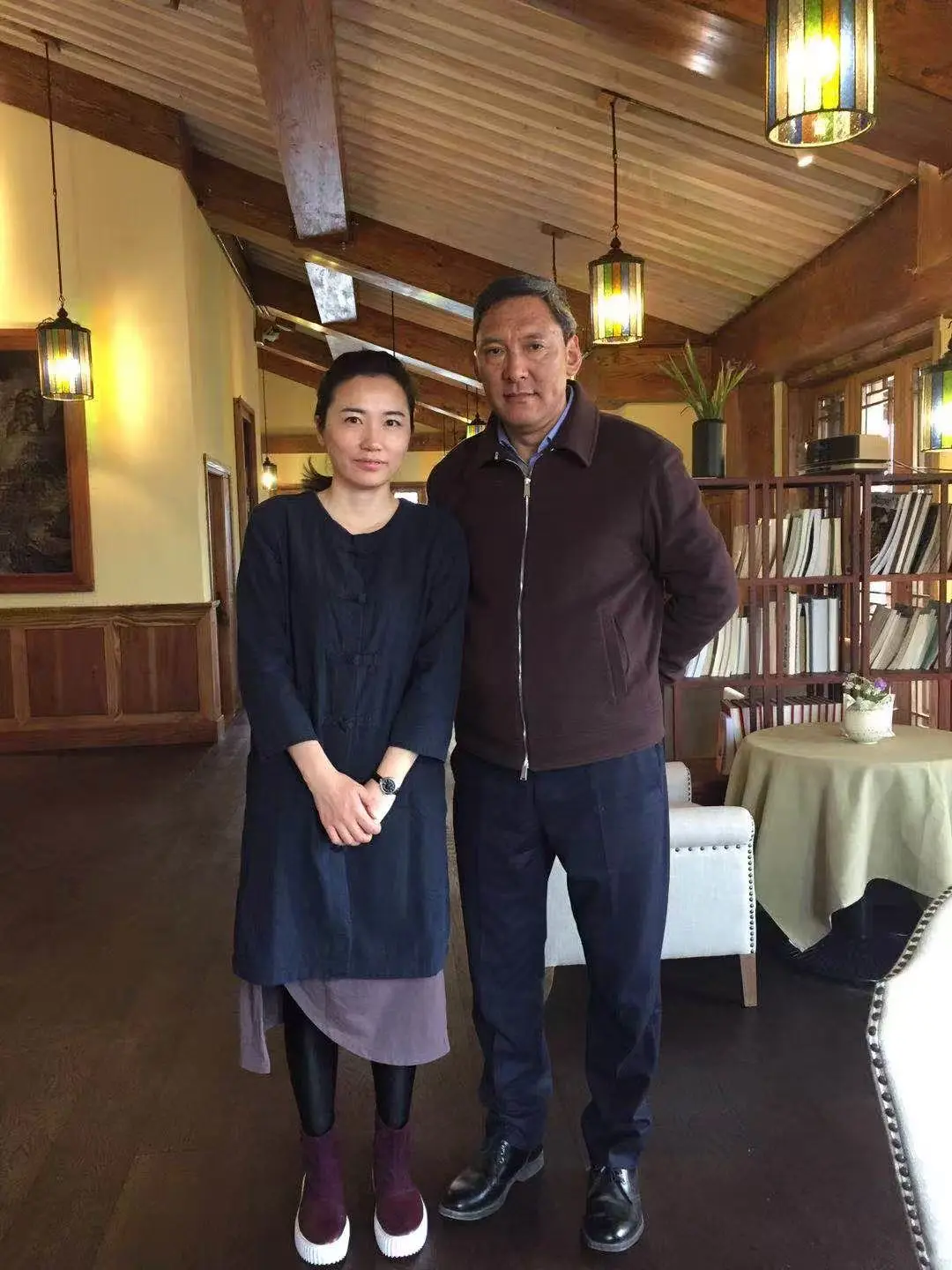
05 / RELATED RESEARCH IMAGE / 关联研究图像Encounter with a field participant人物与相遇
The image holds a moment of proximity between the camera, the place and the person encountered there.
画面保留镜头、地点与现场相遇者之间的一段接近。
HOW WE READ / 我们如何阅读
We read nine moving-image records as one changing conversation, following the NPC, the body, boredom and animality as they move between ordinary examples and larger questions of agency.
The public sequence repeatedly returns to the phrase 'true mind and self-nature' beside the declaration 'I am not an NPC'. Read literally, this could harden into a moral opposition between awakened subjects and programmed others. Read through the whole sequence, however, the figure is less a social label than a question directed back at the speaker: which habits, rewards and inherited instructions are deciding what I do before I notice them?
One public caption—'I am Meili Snow Mountain; I am cow dung; I am existence itself'—then performs a deliberate displacement. Selfhood expands beyond personal profile while moving downward toward what prestige normally excludes. Mountain, dung and existence do not form a stable identity; they unsettle the demand that identity should be a coherent, promotable object.
In 'How Do We Use the Heart?', analysis, arrangement and explicit decision are placed near the brain, while listening and certain forms of making are placed near the heart. The exchange immediately prevents the distinction from becoming clean: writing can require both, and creation may emerge when the threshold between practice and ordinary presence becomes low.
The editorial consequence is not that artists should reject thought. It is that cognition cannot be reduced to command. Embodied attention, rhythm and susceptibility to a situation are also ways of knowing. The interview remains valuable precisely because it keeps scientific, cultural and experiential uses of 'heart' apart without making them mutually exclusive.
The conversation on boredom compares the state to being neither hungry nor full. This indeterminacy matters because platform culture rewards statements that are immediate, legible and emotionally ranked. Boredom has no such stable signal. It interrupts the conversion of every moment into content and exposes the anxiety produced when nothing appears to demand response.
The name WU—LIAO turns this difficult interval into method. The pun does not celebrate emptiness. It keeps a question open long enough for language to reveal its insufficiency and for attention to change direction. In this sense, boredom is not outside artistic labour; it is one condition under which a less scripted action might become perceptible.
Several caption records place money, appetite and animality beside the search for self-nature. The temptation is to make cultivation a purification project: the more bodily desire is removed, the more authentic the self becomes. Yet the heart/brain discussion and the mountain/dung declaration work against that hierarchy by locating thought inside bodily and more-than-human relation.
The productive tension is therefore not animal versus human but compulsion versus responsiveness. Appetite becomes politically relevant when systems learn to predict, rank and monetise it. The task is not to become disembodied; it is to recognise when bodily tendency has been converted into an externally managed loop.
The captions 'real scholars do not speak' and 'art has no traffic' identify a structural problem: metrics increasingly appear as evidence of intellectual or artistic value. Silence can protect difficult thought from simplification, but invisibility also withdraws that thought from a shared field. The archive keeps this contradiction active instead of resolving it through personal branding.
Our serial method offers a provisional answer. A short platform clip is not treated as the final unit. It is returned to a larger sequence, related to other voices, annotated and made available for disagreement. Authority then shifts from attention captured in one moment to the care with which relations are preserved across time.