08PAPER 08 / WRITING25 Aug 202615 min

WU—LIAO / 无不吴聊

Entering the Crack

进入裂缝

Technique, unreadability and the time of tradition across our conversations with Qiu Zhizhong

我们与邱振中的对话:技巧、不可读与传统时间

WU—LIAO archive image used as a contextual study of writing and voice
Qiu Zhizhong / 邱振中
ABSTRACT / 摘要

Five public records connect finite technique, concentrated time, cultural centres, unreadable calligraphy and the cracks of thought. The Qiu Zhizhong sequence proposes that entering tradition deeply is not the opposite of invention; it is a condition for reaching the point where inherited rules become unstable. This paper argues that unreadability can operate as a research method when it redirects attention from semantic recognition toward gesture, spacing, pressure and duration—provided opacity is not automatically mistaken for depth.

五条公开资料把有限技巧、集中时间、文化中心、不可读书法与思想裂缝连接起来。邱振中系列提出:深入传统并非发明的对立面,而是抵达继承规则开始失稳之处的条件。本文认为,不可读能够成为研究方法——它把注意从语义识别转向动作、间距、压力与持续时间;但前提是不能把不透明自动误认为深刻。

KEYWORDScalligraphytechniqueunreadabilitytraditiontimeopacity

VISUAL FIELD / 视觉现场05 IMAGES
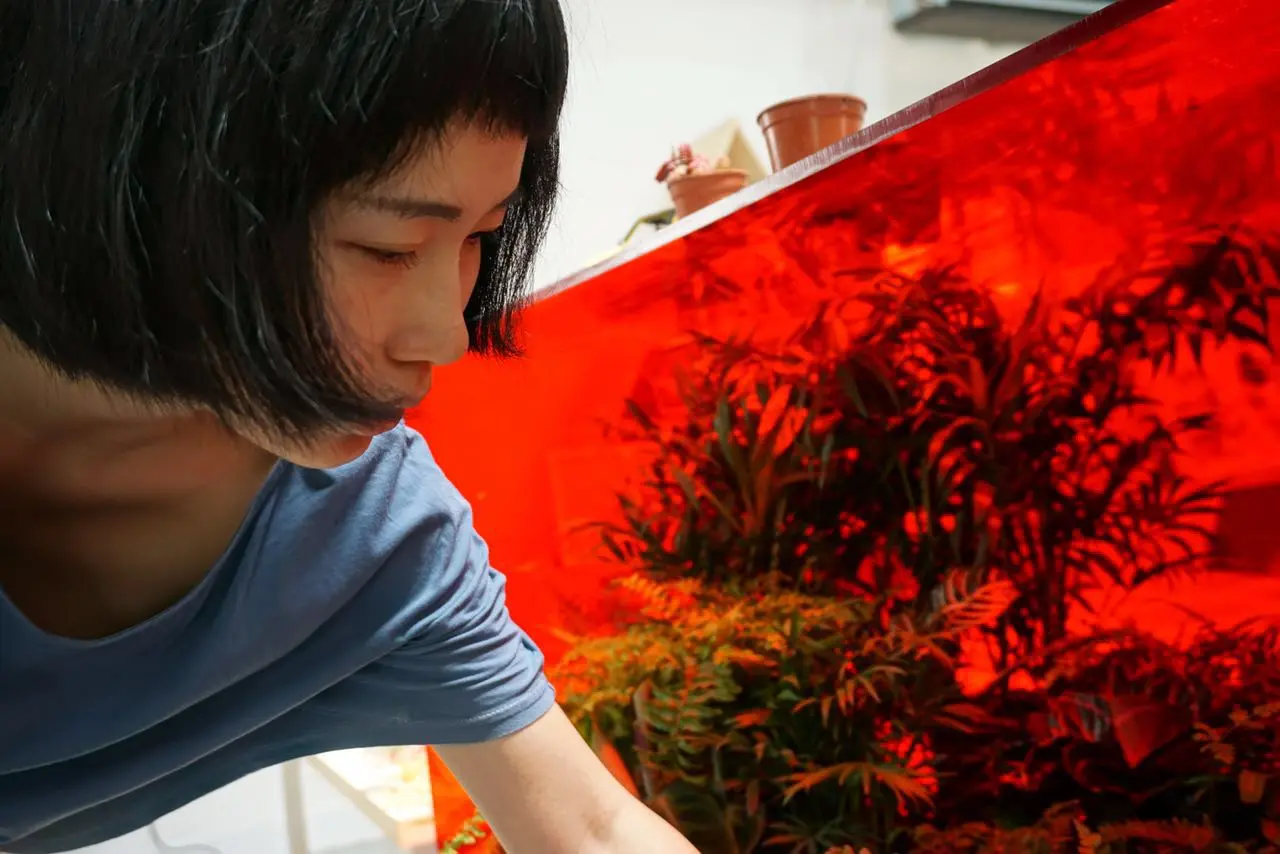
Red object in a garden-like setting
01 / RELATED RESEARCH IMAGE / 关联研究图像Red object in a garden-like setting物件与花园

The displaced manufactured object tests how design, mobility and nature are staged inside one constructed environment.

被移置的工业物件检验设计、移动性与自然如何在人工环境中被共同编排。

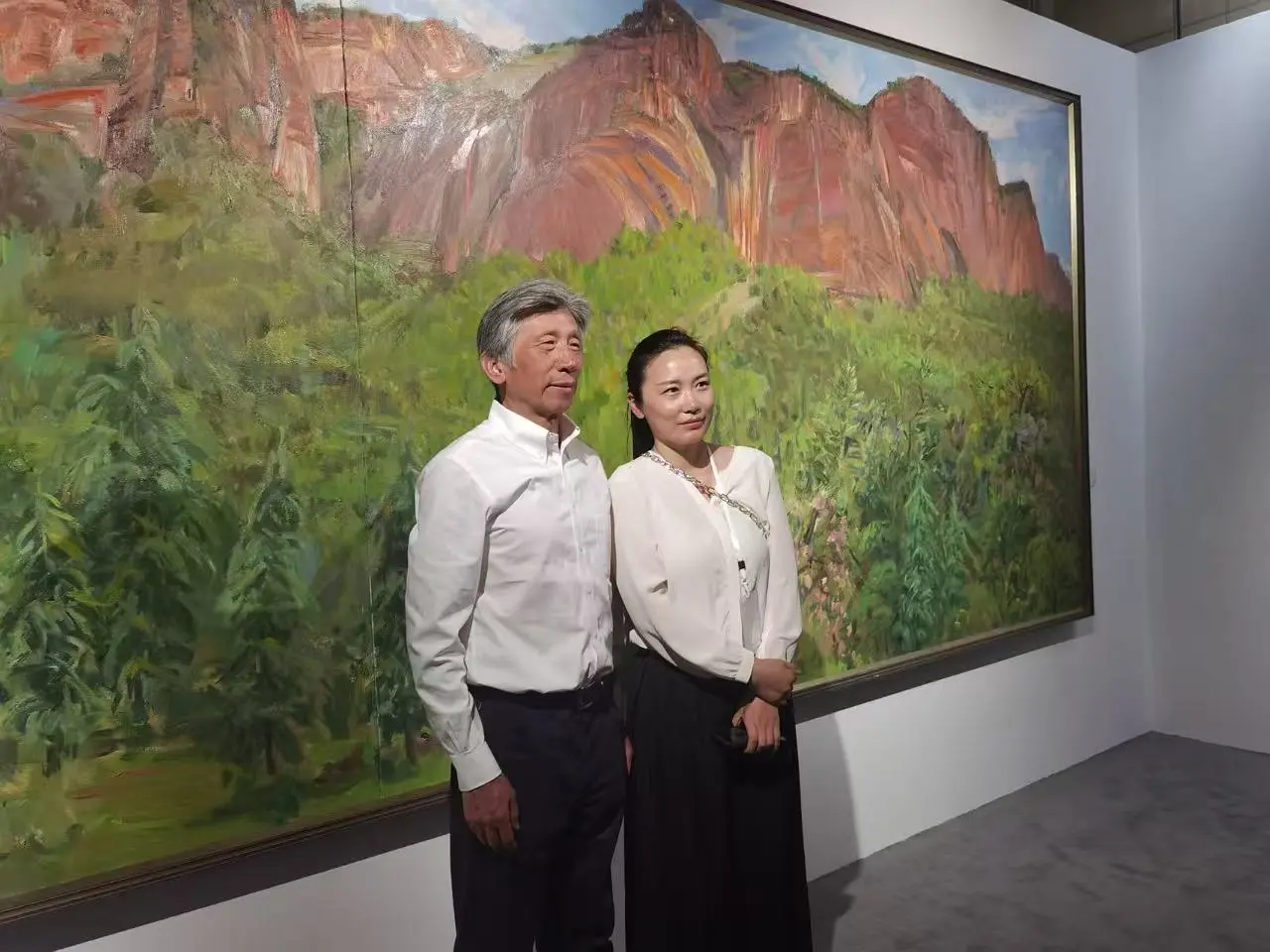
Dialogue beside a painting
02 / RELATED RESEARCH IMAGE / 关联研究图像Dialogue beside a painting绘画与相遇

Conversation in front of the work reveals interpretation as a public relation rather than a private response.

作品前的对话把阐释显现为公共关系,而不是私人反应。

Installation process
03 / RELATED RESEARCH IMAGE / 关联研究图像Installation process过程与组装

The process image keeps handling and placement visible, preventing the final arrangement from appearing self-produced.

过程画面保留搬运与安置,使最终陈列不被误认为自行生成。

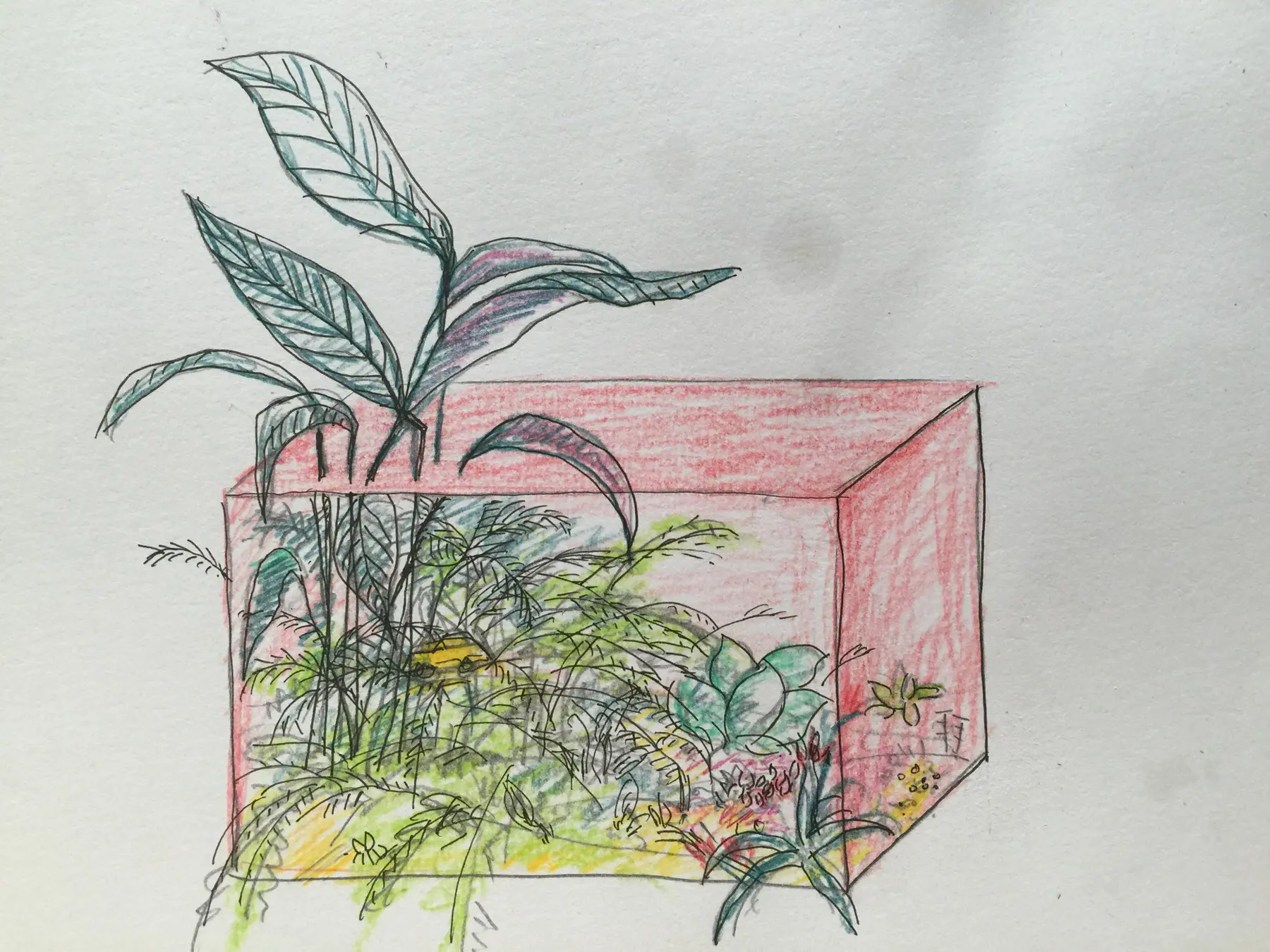
Spatial installation study
04 / RELATED RESEARCH IMAGE / 关联研究图像Spatial installation study空间研究

The drawing functions as a proposition for relations among plant, container, frame and viewer rather than a decorative sketch.

图纸不是装饰性草图,而是关于植物、容器、框架与观看者关系的空间命题。

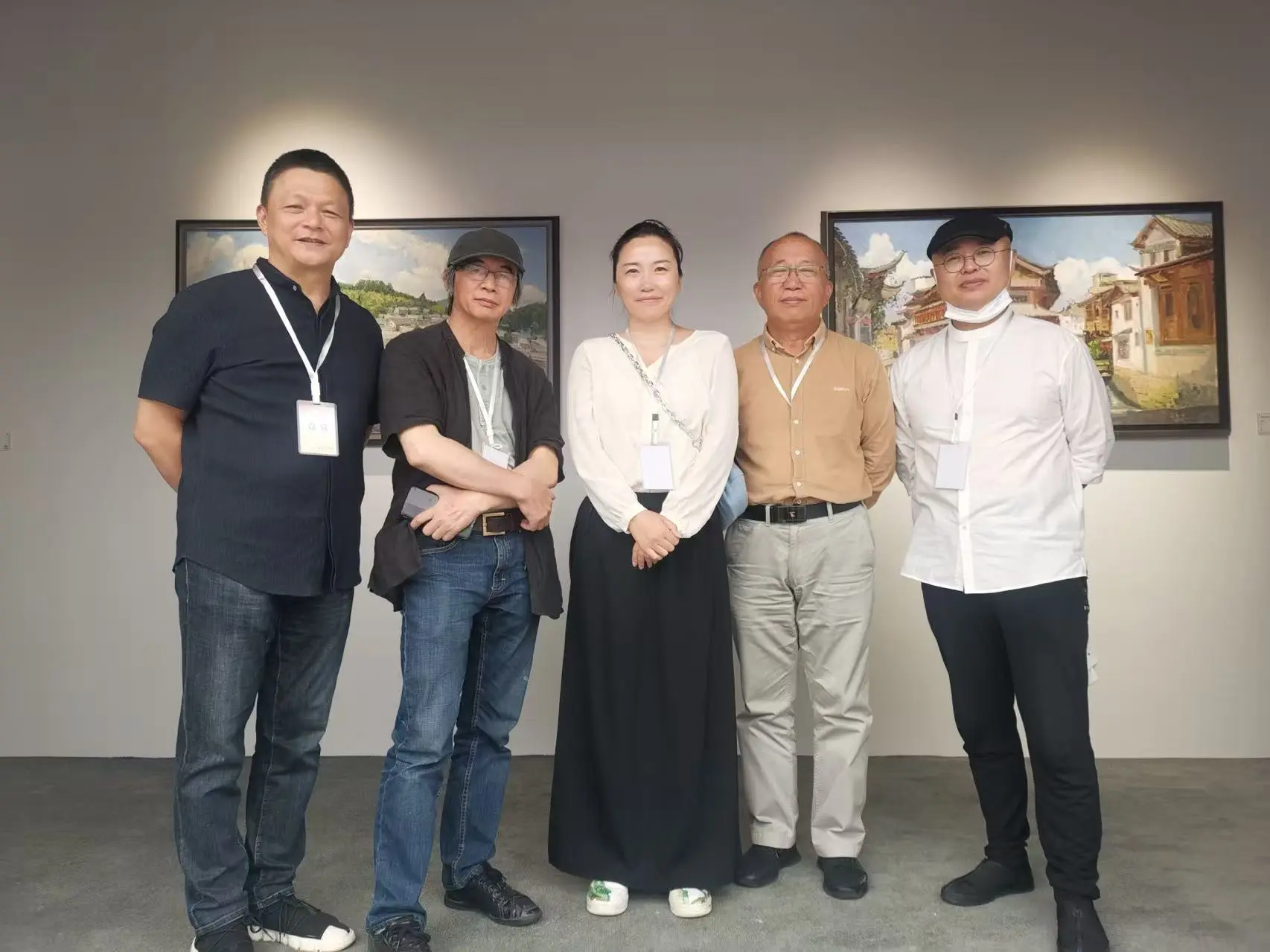
Exhibition network
05 / RELATED RESEARCH IMAGE / 关联研究图像Exhibition network展览关系

The group and the painted landscape occupy one visual field, allowing social presence to become part of exhibition meaning.

人物群体与绘画景观处于同一视觉场,使社会性在场成为展览意义的一部分。

HOW WE READ / 我们如何阅读

We follow five records from finite technique toward concentrated time, cultural distance, unreadability and the crack as a way of entering thought.

我们沿着五条资料,从有限技巧进入集中时间、文化距离、不可读,以及作为思想入口的裂缝。

01

Technique is a finite vocabulary

技巧是一套有限词汇

The caption 'there are only so many techniques; what matters is how they are used' refuses both virtuosity worship and anti-skill romanticism. A finite vocabulary does not make work repetitive. It relocates invention in selection, sequence, pressure and response. Mastery becomes the ability to reorganise known means under conditions that have not previously existed.

“技巧就那么多,关键看怎么用”的文案同时拒绝炫技崇拜与反技巧浪漫主义。有限词汇并不会让作品必然重复,而是把发明转移到选择、序列、压力与回应之中。掌握意味着在前所未有的条件下重新组织已知手段。

FILMS + CONVERSATIONS / 相关影像与对话QZ-01
02

Depth requires concentrated time

深入需要集中时间

The warning not to worry about getting out reverses the demand for premature originality. The problem is often not excessive immersion but insufficient duration. Repetition changes its function when it sharpens distinctions rather than enforcing obedience. Concentrated time makes rules perceptible enough to be questioned from within instead of rejected as a surface style.

“不要担心跳不出来”的提醒反转了过早原创的要求。问题往往不是沉浸过度,而是持续不足。当重复用于磨锐差异而非制造服从时,它的功能就会改变。集中时间使规则清晰到能够从内部被质疑,而不是作为表面风格被拒绝。

FILMS + CONVERSATIONS / 相关影像与对话QZ-01
03

The centre is not the only site of growth

中心不是成长的唯一地点

The caption about producing first-rate work outside a cultural centre shifts attention from identity labels toward the continuous discovery of conditions for growth. This does not deny institutional inequality. It asks how a practice can build demanding standards without confusing proximity to recognition with the quality of thought.

关于在非文化中心做出一流成绩的文案,把注意从身份标签转向持续发现成长条件。这并不否认制度不平等,而是追问:实践如何建立严格标准,同时不把接近认可中心误认为思想质量?

FILMS + CONVERSATIONS / 相关影像与对话QZ-02
04

Unreadability multiplies attention

不可读使注意增殖

The unreadable calligraphy record does not announce the end of language. It suspends one dominant reading operation so other material organisations can be encountered. Stroke becomes movement, blank space becomes interval and pressure becomes recorded force. Unreadability is productive when it increases the precision of attention rather than offering mystery as a substitute for analysis.

不可读书法的资料并不宣告语言终结,而是暂停一种主导阅读操作,让其他材料组织可以被遭遇。笔画成为运动,空白成为间隔,压力成为被记录的力量。只有当不可读提高注意精度、而不是以神秘替代分析时,它才具有生产性。

FILMS + CONVERSATIONS / 相关影像与对话QZ-03
05

The crack is a method

裂缝是一种方法

The image of entering a crack names a demanding scale of inquiry. Most viewers remain at the visible opening; research follows the discontinuity until familiar explanation loses control. Our accessible questions become curatorial because they construct an entry point without closing the route in advance. The archive should preserve the difficulty of the crack while refusing to market obscurity as depth.

进入裂缝的形象命名一种困难的研究尺度。多数观看停留在可见开口,研究则沿不连续处前进,直到熟悉解释失去控制。我们用可进入的问题建立入口,却不预先封闭路径;这也正是提问获得策展性的时刻。档案应保存裂缝的困难,同时拒绝把晦涩营销成深刻。

FILMS + CONVERSATIONS / 相关影像与对话QZ-03
FILMS + CONVERSATIONS / 影像与对话

Material behind this paper

这篇文章所使用的影像与对话

RELATED READING / 延伸阅读

Books and essays we place beside the conversation

我们与这组对话并置阅读的书与文章

  1. 01
    Material, Craft and Authority / 材料、技艺与权威Tim Ingold, Making: Anthropology, Archaeology, Art and Architecture, Routledge, 2013.

    Describes knowledge as correspondence with active materials rather than the imposition of a prior design.

    把知识理解为与活跃材料的对应,而非预设设计的强加。

  2. 02
    Material, Craft and Authority / 材料、技艺与权威Glenn Adamson, Thinking Through Craft, Berg, 2007.

    Uses craft as a critical category for examining art's hierarchy of value.

    以工艺为批判范畴,检视艺术的价值等级。

  3. 03
    Material, Craft and Authority / 材料、技艺与权威Richard Sennett, The Craftsman, Yale University Press, 2008.

    Connects skilled making to repetition, judgement and the ethics of doing a job well.

    连接熟练制作、重复、判断与把事情做好的伦理。

  4. 04
    Material, Craft and Authority / 材料、技艺与权威Yuk Hui, Art and Cosmotechnics, University of Minnesota Press, 2021.

    Places art and technology within plural cosmological and historical relations.

    把艺术与技术置于多元宇宙观和历史关系中。

  5. 05
    Pedagogy and Perception / 教育与感知Elliot W. Eisner, The Arts and the Creation of Mind, Yale University Press, 2002.

    Explains how artistic practice cultivates forms of judgement unavailable to fixed rules.

    说明艺术实践如何培养固定规则无法替代的判断形式。

  6. 06
    Pedagogy and Perception / 教育与感知Paulo Freire, Pedagogy of the Oppressed, Bloomsbury Academic, 2018 edition.

    Opposes banking education with dialogical, problem-posing inquiry.

    以对话式、问题化研究反对储蓄式教育。

  7. 07
    Pedagogy and Perception / 教育与感知Jacques Rancière, The Ignorant Schoolmaster, Stanford University Press, 1991.

    Questions explanatory hierarchy and the presumption of unequal intelligence.

    质疑解释等级与智力不平等的预设。

  8. 08
    Boredom, Attention and Time / 无聊、注意与时间Henri Lefebvre, Rhythmanalysis, Continuum, 2004.

    Offers rhythm as a method for reading bodies, repetition and everyday space.

    以节奏为方法阅读身体、重复与日常空间。

  9. 09
    Boredom, Attention and Time / 无聊、注意与时间Martin Heidegger, The Fundamental Concepts of Metaphysics, Indiana University Press, 1995.

    Provides a demanding account of profound boredom as disclosure rather than missing stimulation.

    把深层无聊理解为显露,而非刺激不足。

  10. 10
    Boredom, Attention and Time / 无聊、注意与时间Byung-Chul Han, The Scent of Time, Polity, 2017.

    Contrasts lingering duration with accelerated sequences of disconnected moments.

    以停留的持续时间对抗加速且断裂的瞬间序列。

  11. 11
    Image, Face and Platform / 图像、面孔与平台W. J. T. Mitchell, What Do Pictures Want?, University of Chicago Press, 2005.

    Treats images as active social relations rather than passive carriers of meaning.

    把图像理解为活跃社会关系,而非被动意义载体。

  12. 12
    Image, Face and Platform / 图像、面孔与平台Tina M. Campt, Listening to Images, Duke University Press, 2017.

    Develops a practice of attending to quiet, affective frequencies in photographs.

    发展一种倾听照片中安静、情感频率的实践。