Plant intelligence, continuity and civilisation across our conversations with Zheng Jiang
我们与郑江的对话:植物智能、连续性与文明
Zheng Jiang / 郑江ABSTRACT / 摘要
The Zheng Jiang sequence begins with plant instinct and expands toward metabolism, consciousness, missing parts, purpose and the ship of Zheng He. Its recurring question is not whether change occurs but what, if anything, can organise continuity through change. This paper argues that adaptation becomes politically ambivalent when survival is separated from the capacity to refuse. Plant life offers neither moral purity nor a decorative ecological metaphor; it provides a material test for how environments reorganise form, memory and response.
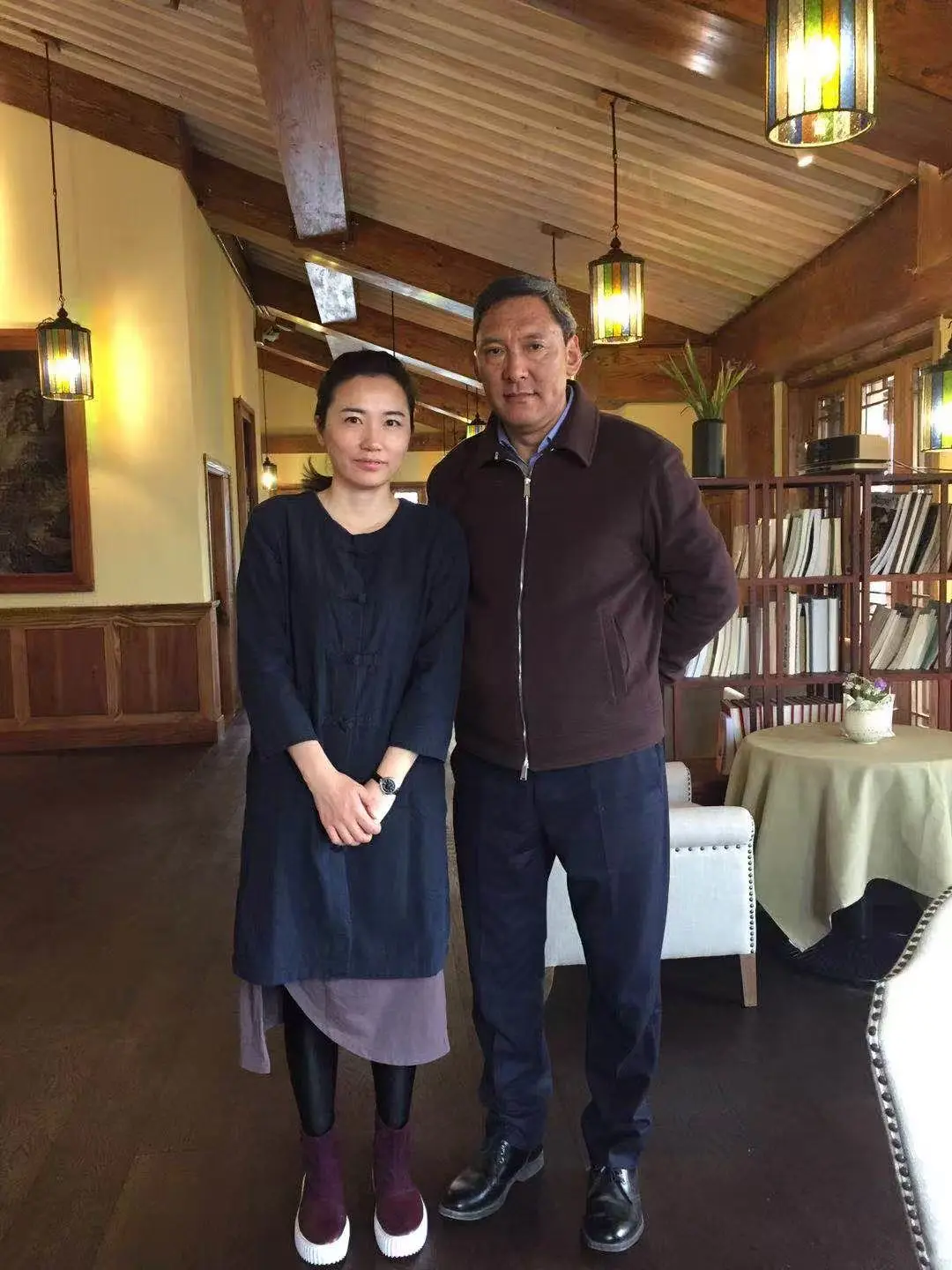
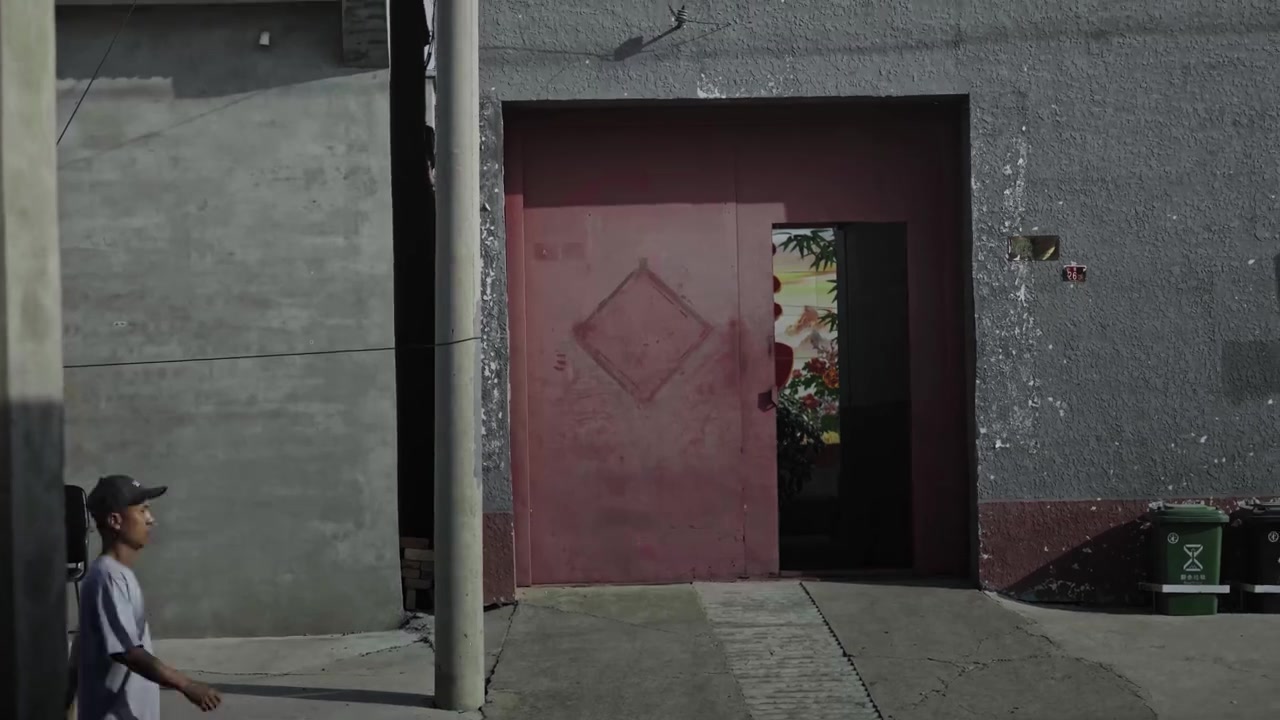
01 / RELATED RESEARCH IMAGE / 关联研究图像Encounter with a field participant人物与相遇
The image holds a moment of proximity between the camera, the place and the person encountered there.
画面保留镜头、地点与现场相遇者之间的一段接近。
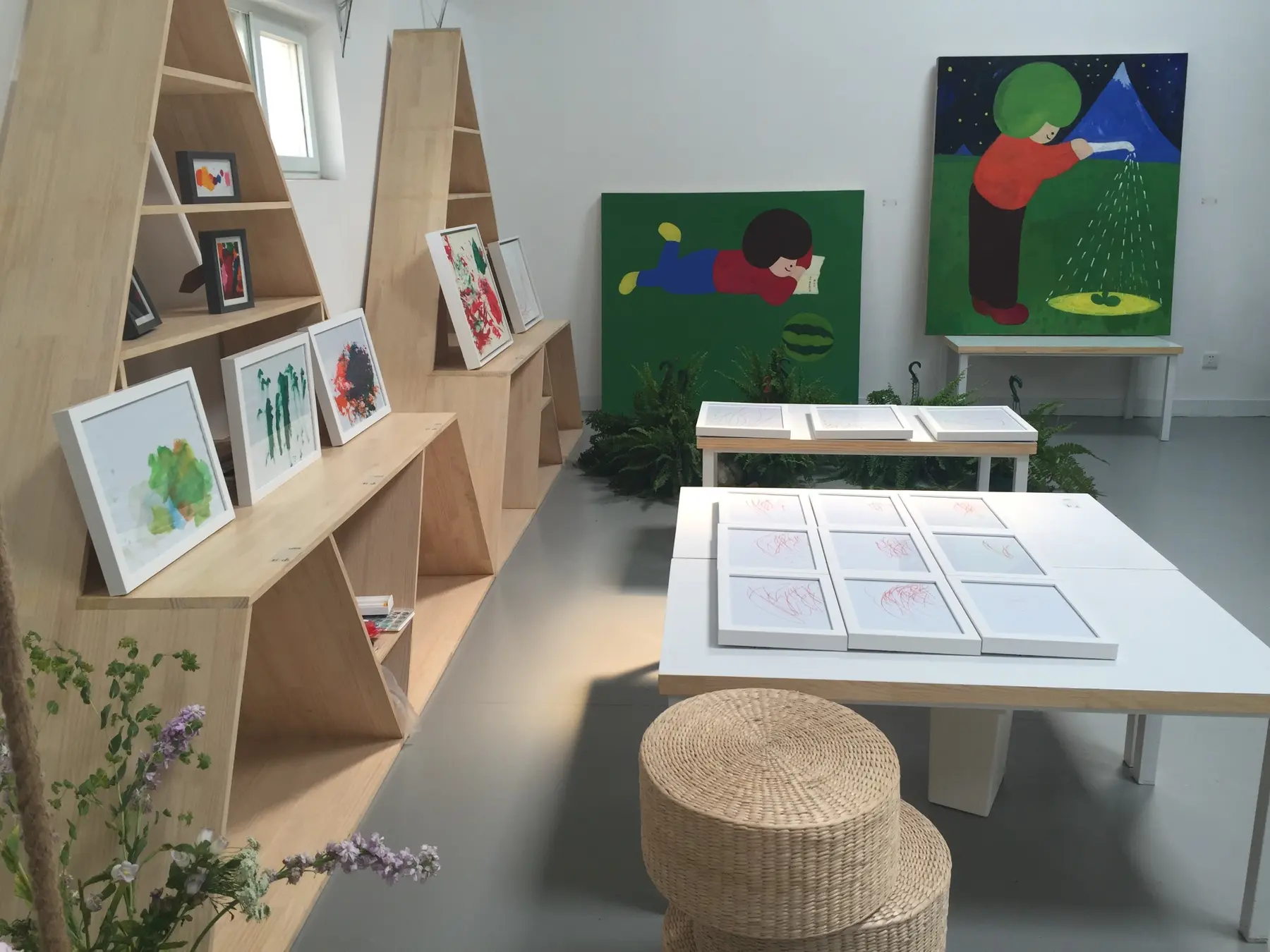
02 / RELATED RESEARCH IMAGE / 关联研究图像Works and reading material in a display room作品与空间
The room links artworks, publications and furniture as a small ecology of looking, reading and staying.
空间把作品、出版物与家具连接成观看、阅读与停留的小型生态。
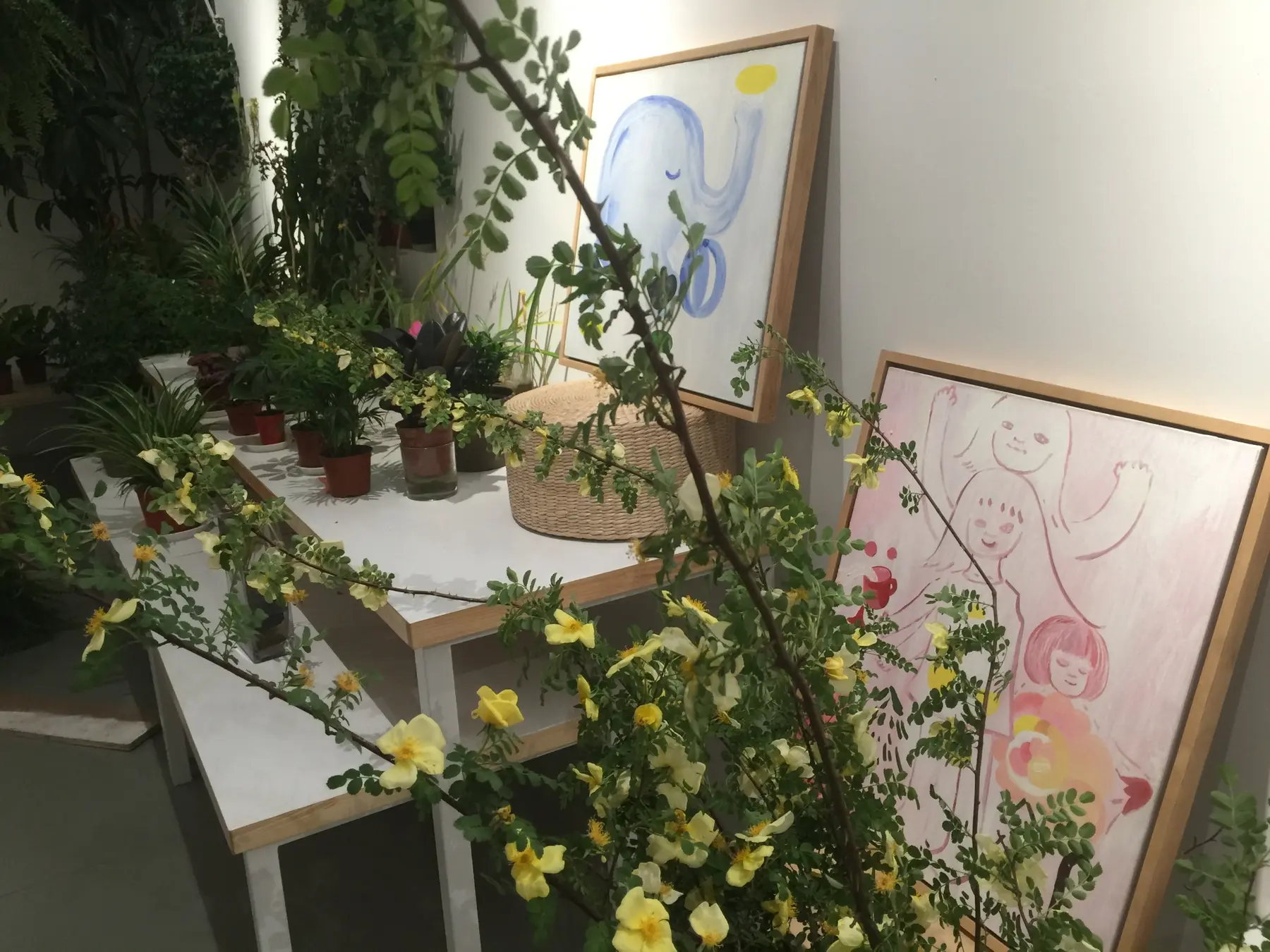
03 / RELATED RESEARCH IMAGE / 关联研究图像Plant and drawing detail植物与绘画
Plant matter interrupts the boundary between representation and the living material represented.
植物材料打断再现与被再现生命材料之间的边界。
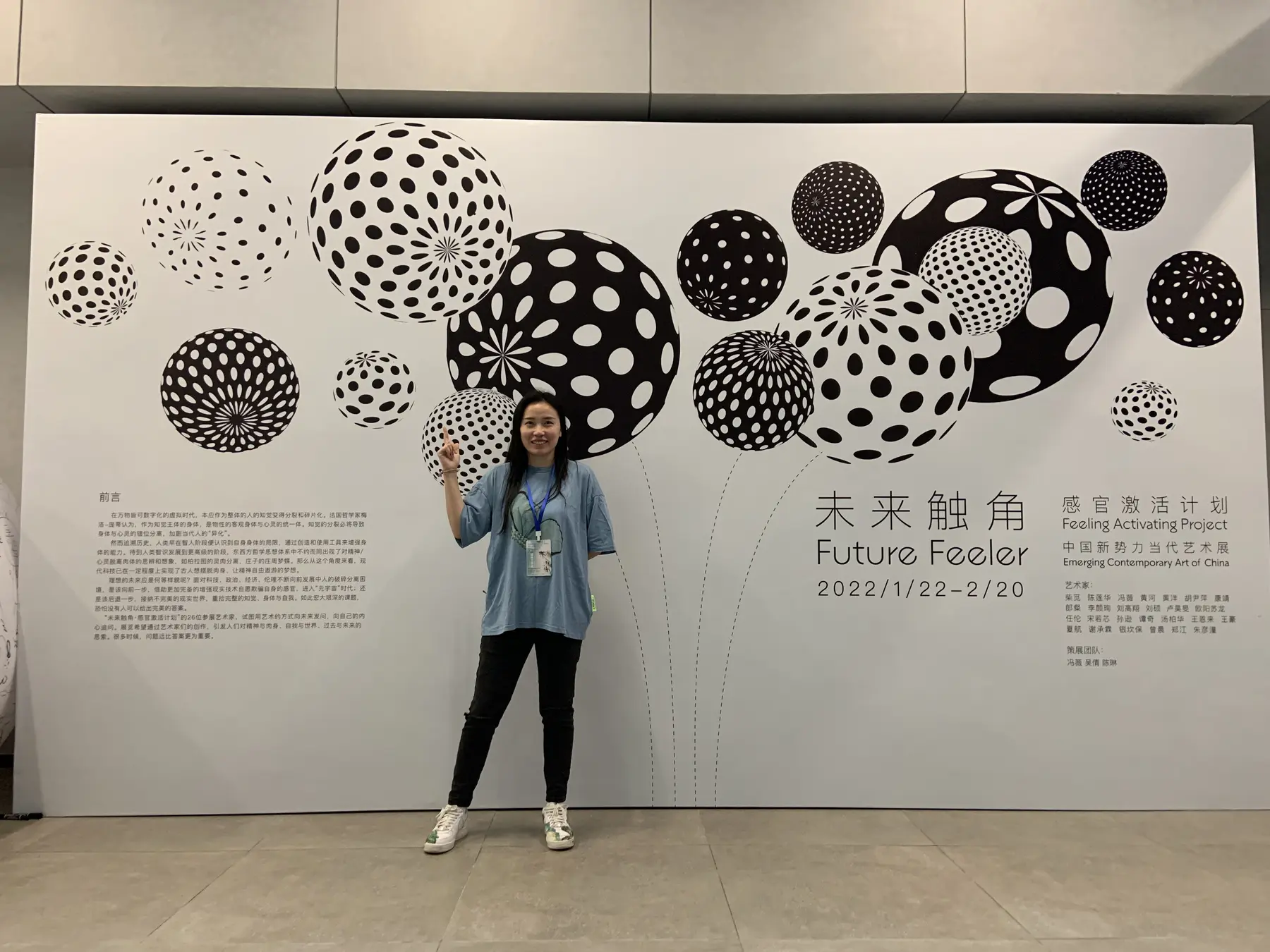
04 / RELATED RESEARCH IMAGE / 关联研究图像Encounter with the Future Feeler display展览语境
A body standing before the display turns exhibition viewing into a scale relation between image, text and visitor.
身体站在陈列前,使展览观看成为图像、文字与观看者之间的尺度关系。
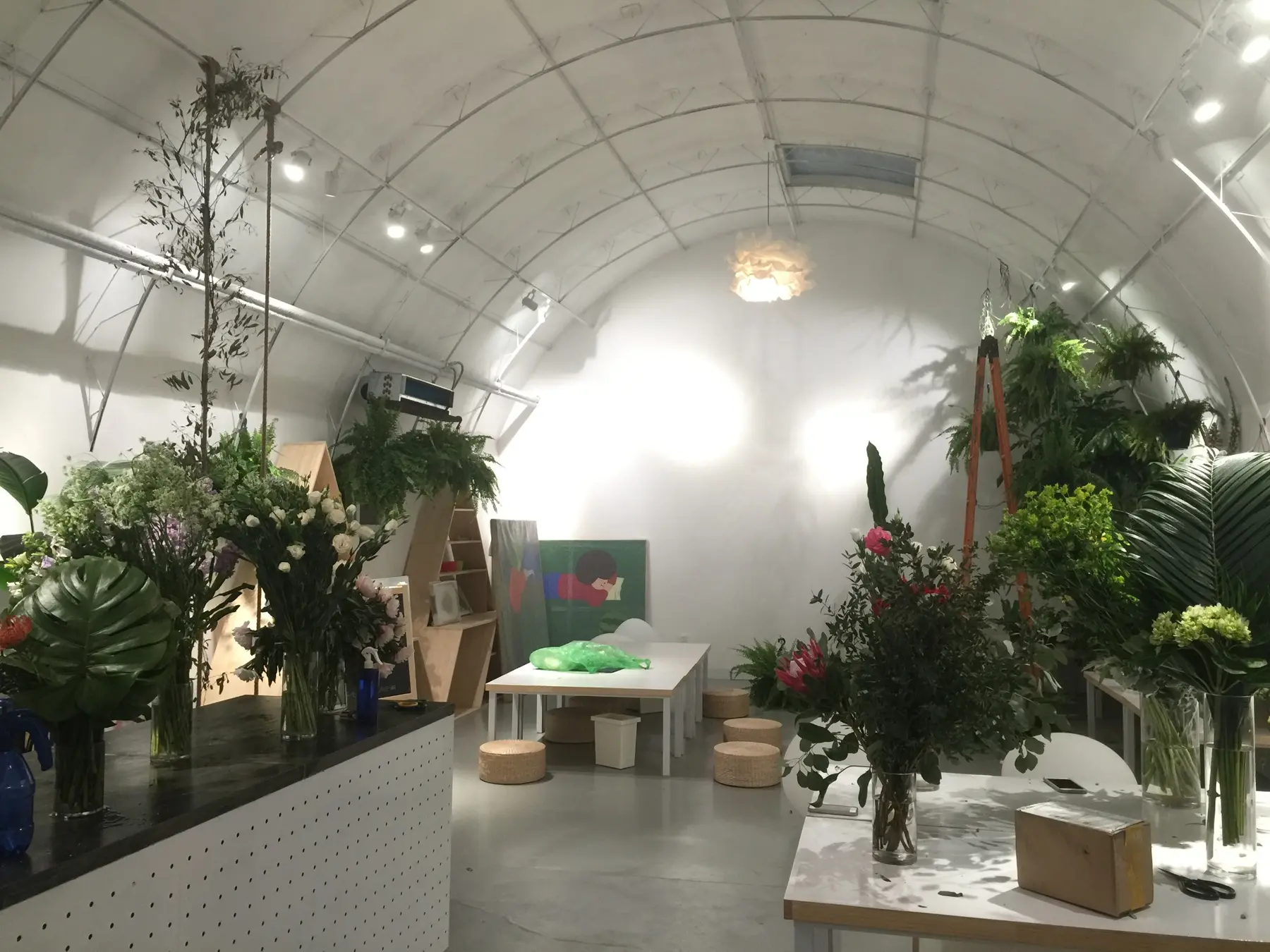
05 / RELATED RESEARCH IMAGE / 关联研究图像Plant installation room参与式环境
The room treats living growth, furniture and exhibition architecture as one unstable spatial system.
空间把生命生长、家具与展览建筑视为同一不稳定系统。
HOW WE READ / 我们如何阅读
We place the plant, seed, body, algorithm, missing part and ship beside one another, using each change of scale to test how continuity and agency are imagined.
In 'Plant Instinct', plants become a counterpoint to the human claim that civilisation means greater intelligence. The comparison does not require plants to resemble people. Their intelligence appears in the fit between morphology and condition: the capacity to sense light, weather, soil, competition and duration without centralising those relations in a single organ or conscious declaration.
This distinction matters for contemporary art because it relocates knowledge from representation to responsiveness. A work does not know only by stating a concept. It can know through material behaviour, placement, maintenance and the way it changes when conditions change. Plant life therefore becomes a model for situated practice rather than a symbol of untouched nature.
'The Fatal Adaptability' turns the seed into a precise material argument. A dispersal form made in relation to wind and distance is not ornamental. It is stored environmental memory. When an urban setting contains, relocates or reproduces the plant through other means, continued survival may coincide with the loss of a capacity that once organised the species' relation to space.
The record consequently separates persistence from flourishing. An organism can remain alive while its world narrows. Applied cautiously to social life, this makes 'resilience' a political question: who is expected to absorb disruption, which capacities are sacrificed so a system can continue, and who retains the power to alter the conditions rather than merely endure them?
Captions about metabolism and the ship of Zheng He introduce a classic continuity problem through ordinary and historical bodies. If material components change at every moment, recognition cannot depend on unchanged substance alone. The ship caption proposes mission as an organising principle: if the purpose persists, perhaps the ship persists. Yet purpose can describe continuity without proving it.
For an archive, the question becomes practical. A project may change medium, platform, collaborators and audience while retaining a research direction. Continuity is then produced by documented relations rather than visual sameness. At the same time, the archive must resist using a stable mission to conceal changes in authorship, responsibility or material consequence.
The conversation on consciousness places brain, heart, breath and destination in productive tension. Its strongest move is not to choose a mystical answer over a scientific one. It separates questions that measurement can address from questions of lived orientation, death and meaning that measurement does not exhaust. The 'destination' names a direction for inquiry, not evidence for a fixed location of consciousness.
This distinction protects artistic research from two symmetrical errors: borrowing scientific vocabulary to manufacture authority, or dismissing evidence whenever it complicates experience. An open question is not an exemption from rigour. It is a commitment to state which claim belongs to which mode of knowing.
The sequence moves from seed to city, cell to person, ship to mission and algorithm to creator. Such movement can become intellectually careless if similarity is treated as proof. We use one scale to generate a question for another while leaving the gap visible. The plant does not 'explain' the human; it makes human assumptions about intelligence and adaptation newly questionable.
As a curatorial procedure, this is a form of juxtaposition. Different records are not forced into one worldview; they are arranged so that an ecological detail can disturb a metaphysical certainty and a philosophical figure can return attention to material consequence. The archive's task is to preserve both the connection and the non-equivalence.