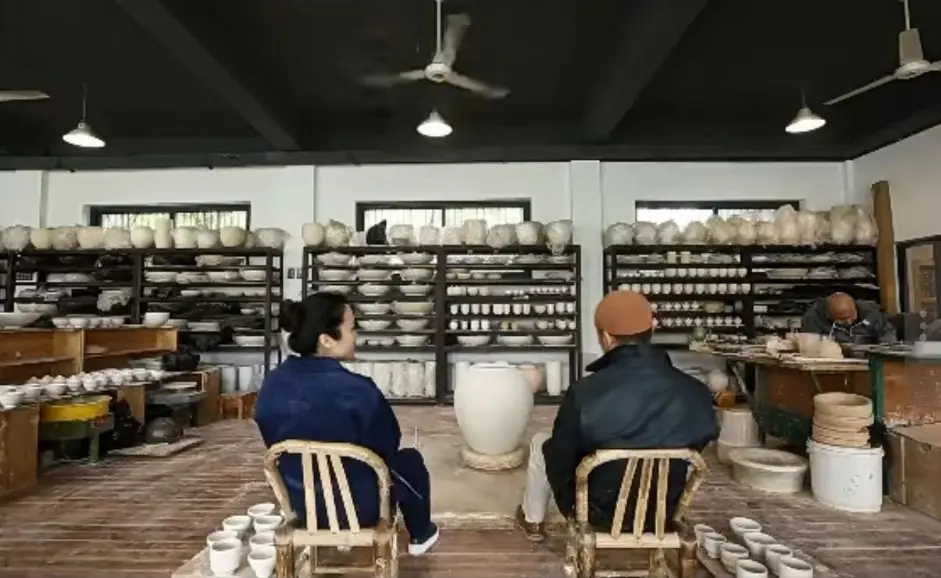
Tradition, expertise and the temporal instability of value across our conversations with Bai Ming
我们与白明的对话:传统、专业权威与价值的时间性
Bai Ming / 白明ABSTRACT / 摘要
Five public records connect ceramics, novelty, aesthetic judgement, education, rotation and fading. Rather than oppose tradition and innovation, the Bai Ming sequence asks who possesses the authority to decide when difference becomes meaningful. This paper argues that expertise has a double function: it can disclose material knowledge, and it can conceal inherited preference as universal judgement. The new is therefore not a visual category but an institutional event produced through criteria, permission and time.
KEYWORDSceramicsnoveltyexpertisetraditioneducationhistorical value
VISUAL FIELD / 视觉现场05 IMAGES
01 / RELATED RESEARCH IMAGE / 关联研究图像Installation process过程与组装
The process image keeps handling and placement visible, preventing the final arrangement from appearing self-produced.
过程画面保留搬运与安置,使最终陈列不被误认为自行生成。
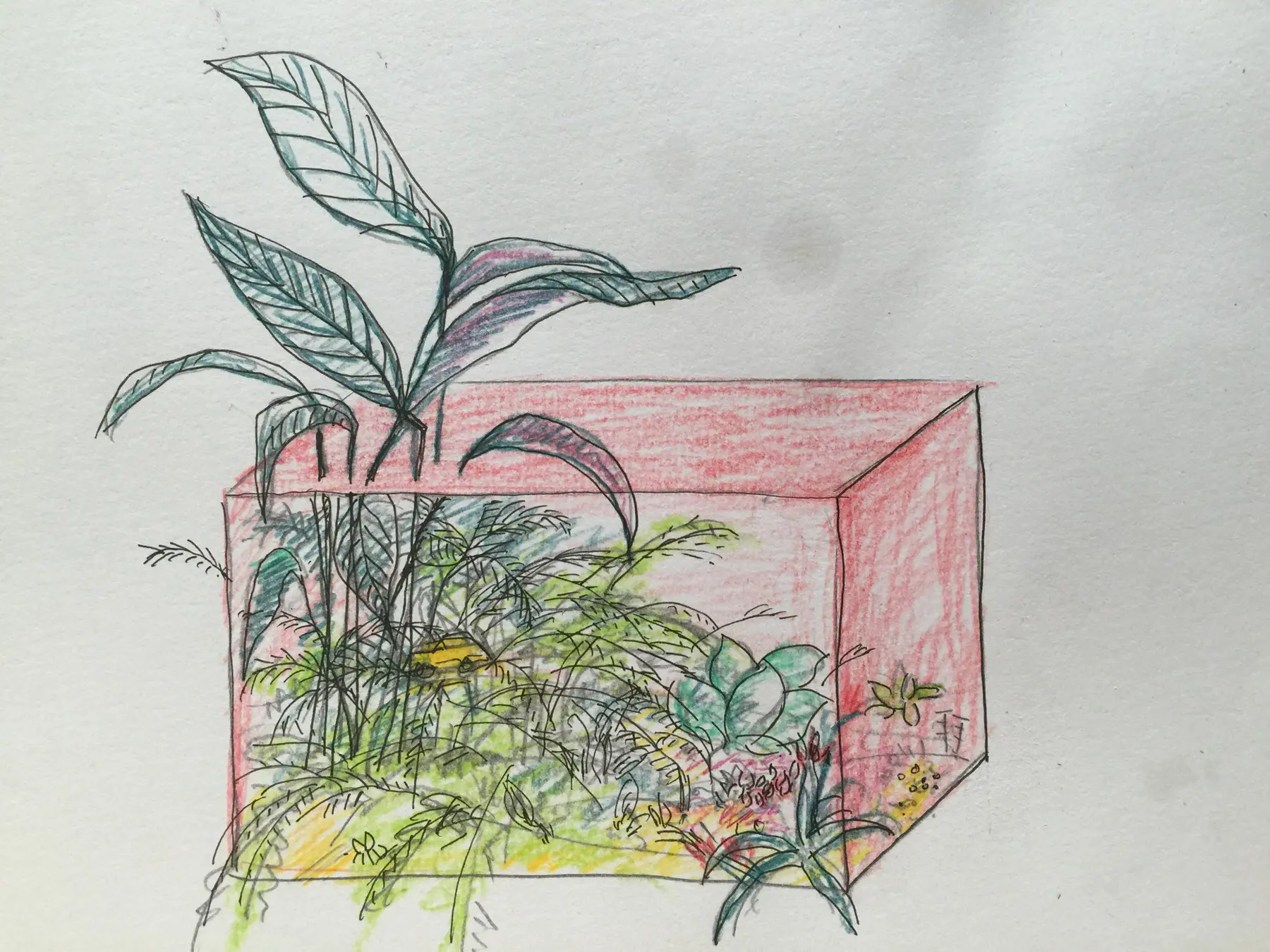
02 / RELATED RESEARCH IMAGE / 关联研究图像Spatial installation study空间研究
The drawing functions as a proposition for relations among plant, container, frame and viewer rather than a decorative sketch.
图纸不是装饰性草图,而是关于植物、容器、框架与观看者关系的空间命题。
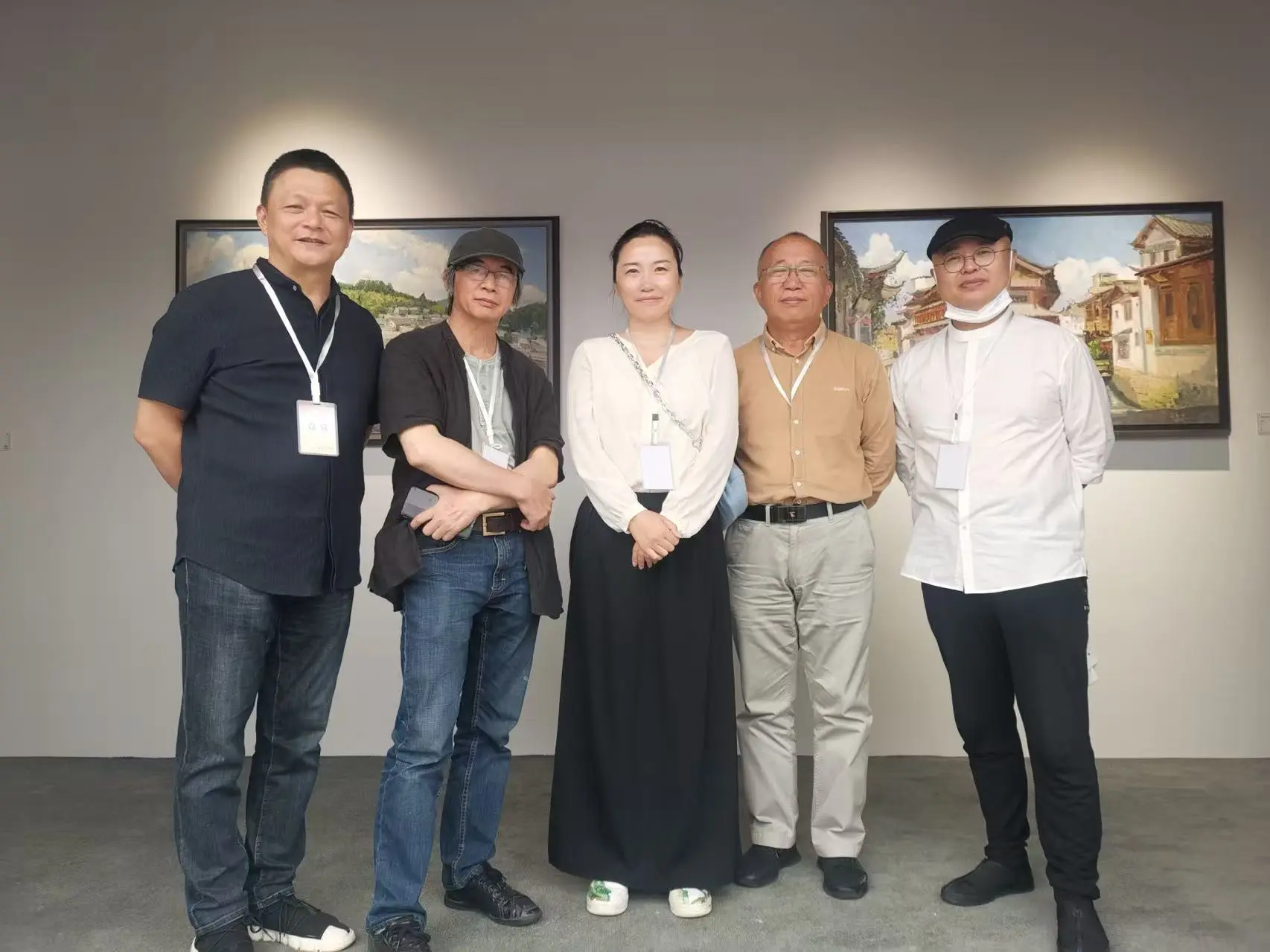
03 / RELATED RESEARCH IMAGE / 关联研究图像Exhibition network展览关系
The group and the painted landscape occupy one visual field, allowing social presence to become part of exhibition meaning.
人物群体与绘画景观处于同一视觉场,使社会性在场成为展览意义的一部分。
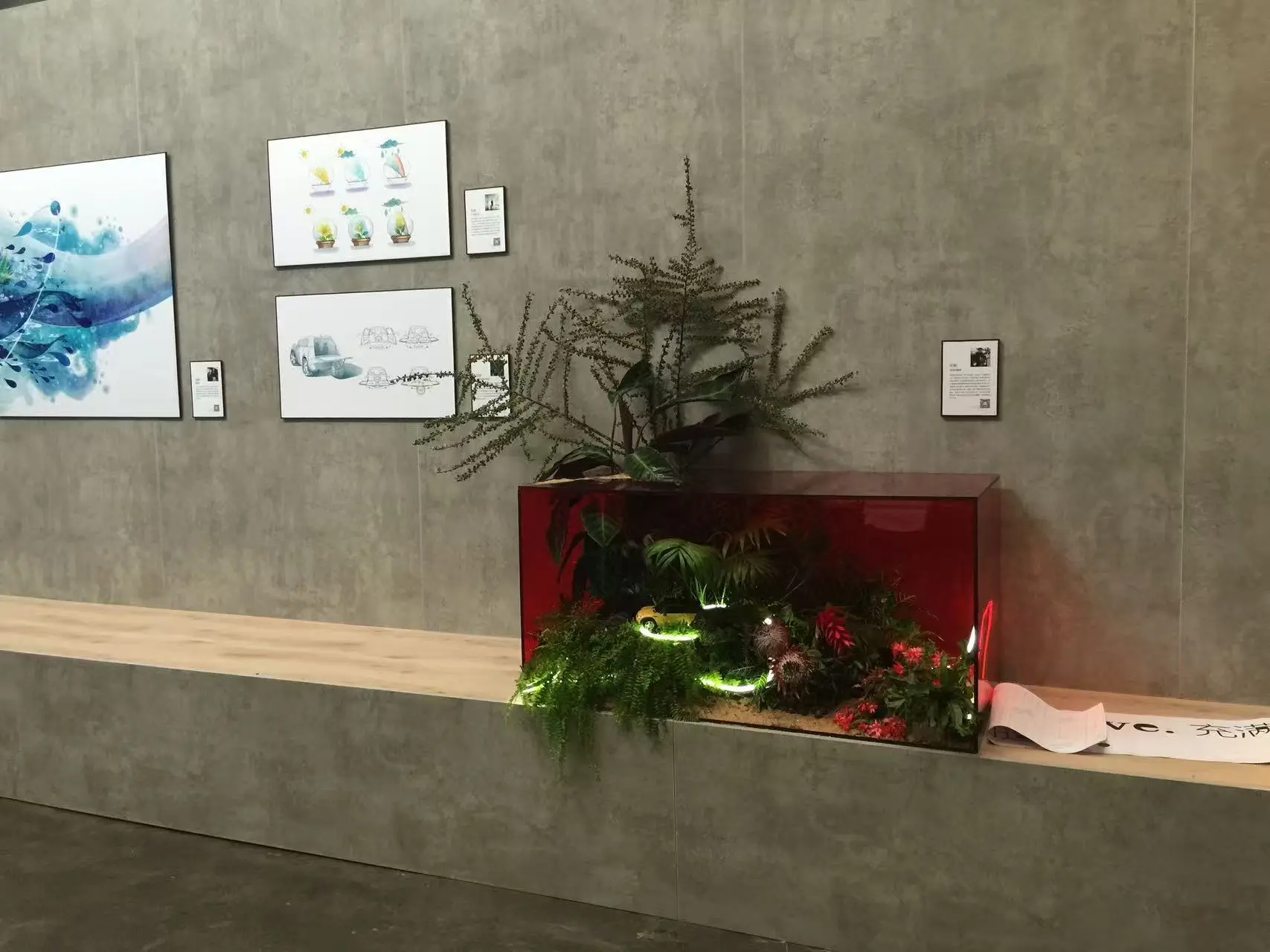
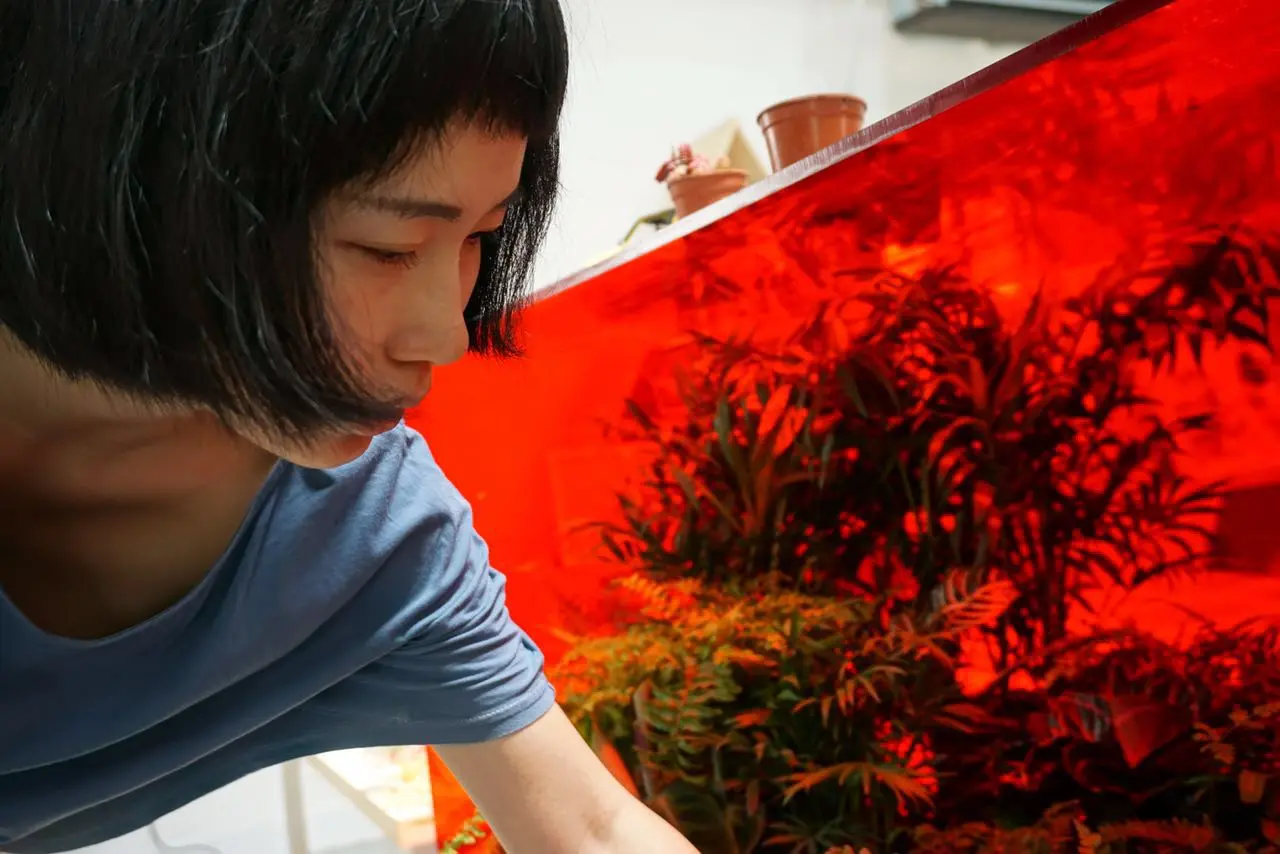
04 / RELATED RESEARCH IMAGE / 关联研究图像Installation with plant, image and light植物、影像与光
Red illumination, image and plant produce an ecology of attention whose conditions change with viewpoint and duration.
红色光线、图像与植物生成一套随观看位置和持续时间变化的注意生态。
05 / RELATED RESEARCH IMAGE / 关联研究图像Bai Ming / source frame白明 / 资料帧
A question about novelty reveals how expertise and inherited criteria decide what a medium is allowed to become.
关于新颖的追问揭示了专业权威与既有标准如何决定一种媒介能够成为什么。
HOW WE READ / 我们如何阅读
We move between ceramics, education, novelty, rotation and fading to ask how a judgement becomes authoritative—and how time unsettles it again.
我们在陶瓷、教育、新颖、旋转与褪色之间移动,追问一种判断如何获得权威,又如何被时间再次扰动。
01
Novelty tests recognition
新颖检验认可机制
The ceramics conversation separates unfamiliarity from ignorance. A long material tradition stores dense technical intelligence, yet the same density can make inherited solutions appear natural and deviations appear unserious. Novelty becomes a test of the institution that judges it: which differences count as research, and which are dismissed before their material consequences can be examined?
The sequence does not ask for expertise to be abandoned. Without material knowledge, every difference can be marketed as invention. The harder task is reflexive expertise: a judgement able to explain where its standards came from, what they make perceptible and what they prevent from appearing. Such expertise remains accountable to the medium rather than claiming ownership of it.
The public phrase contrasting generalists with specialised talents shifts the question from individual gift to educational design. If every learner is normalised toward the same complete profile, unusual sensitivity can appear as deficiency. Perceptual plurality requires institutions willing to protect uneven development long enough for its value to become legible.
The captions on rotation and fading refuse a simple monumentality. Ceramics may outlast a body, but its interpretation does not remain intact. Colours recede, supposedly profound meanings become shallow and historical priorities rotate out of view. Preservation is therefore not the suspension of change; it is an intervention in how change will be encountered.
Our questioning turns a dispute internal to ceramics into a curatorial problem of legitimacy. The interview asks aesthetic judgement to reveal its history. Applied to exhibition-making, this means placing objects, expert language and institutional framing in one visible relation so that authority can be encountered as a position rather than mistaken for neutral truth.