07PAPER 07 / IMAGE25 Aug 202616 min

WU—LIAO / 无不吴聊

The Face of Accelerated Time

加速时代的面孔

Portraiture, anxiety and platform visibility across our conversations with Ma Jinghu

我们与马精虎的对话:肖像、焦虑与平台可见性

Wu Qian in conversation with Ma Jinghu
Ma Jinghu / 马精虎
ABSTRACT / 摘要

Eight public records revolve around faces, historical symbols, visual impact, performed boredom, anxiety, speed and futurity. The Ma Jinghu sequence treats the face not simply as likeness but as a surface on which social tempo and image conventions accumulate. This paper argues that no face can represent an era, yet one image may condense the systems that make certain postures and identities more visible than others. The archive's task is to preserve that condensation without converting a person into a totalising symbol.

八条公开资料围绕面孔、历史符号、视觉冲击、被表演的无聊、焦虑、速度与未来展开。马精虎系列不把面孔只视为相似性,而把它理解为社会节奏与图像惯例累积的表面。本文认为,没有一张脸能够代表整个时代,但一张图像可以凝缩使某些姿态与身份比其他姿态更易被看见的系统。档案的任务是保存这种凝缩,同时避免把一个人转化为总体化符号。

KEYWORDSfaceportraitureaccelerationanxietyplatformvisual culture
VISUAL FIELD / 视觉现场05 IMAGES
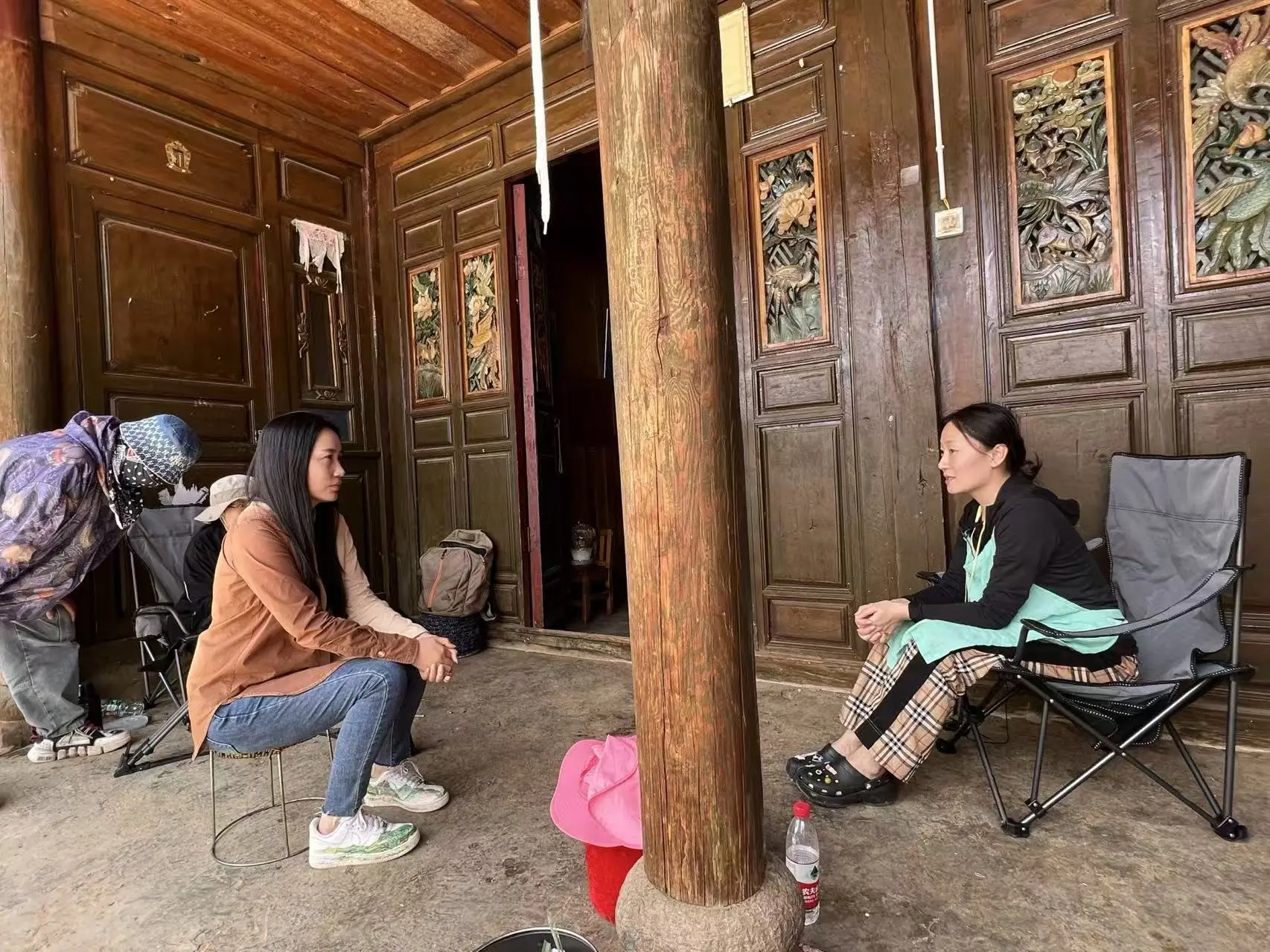
Interior field conversation
01 / RELATED RESEARCH IMAGE / 关联研究图像Interior field conversation田野制作 / 02

The domestic setting keeps architecture, everyday objects and hospitality inside the oral-history situation.

室内现场让建筑、日常物件与待客关系共同进入口述史情境。

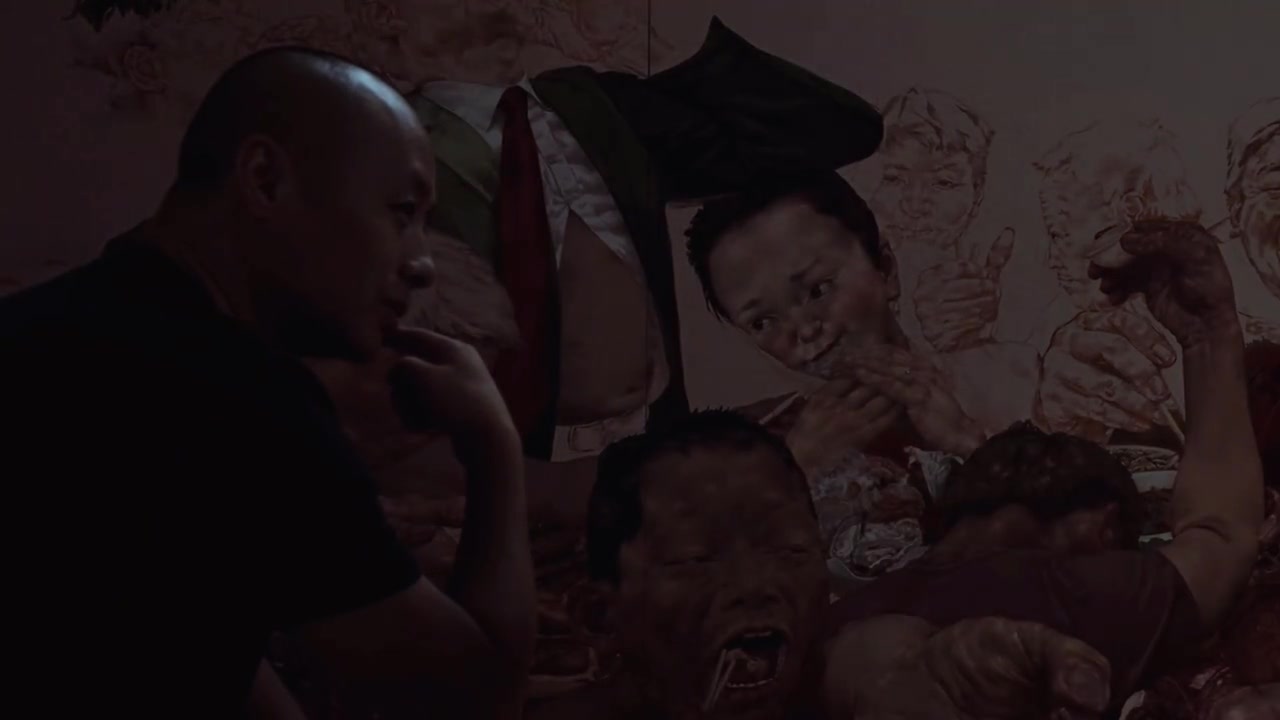
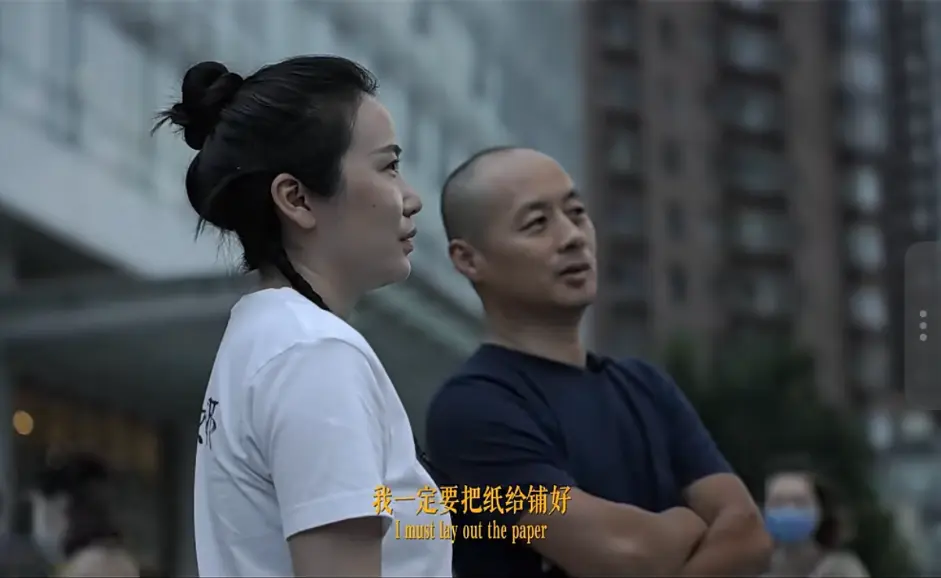
The face of an era / source frame
02 / RELATED RESEARCH IMAGE / 关联研究图像The face of an era / source frame时代的面孔 / 资料帧

The face appears as a surface where historical symbols, social tempo and image conventions accumulate.

面孔在这里成为历史符号、社会节奏与图像惯例不断累积的表面。

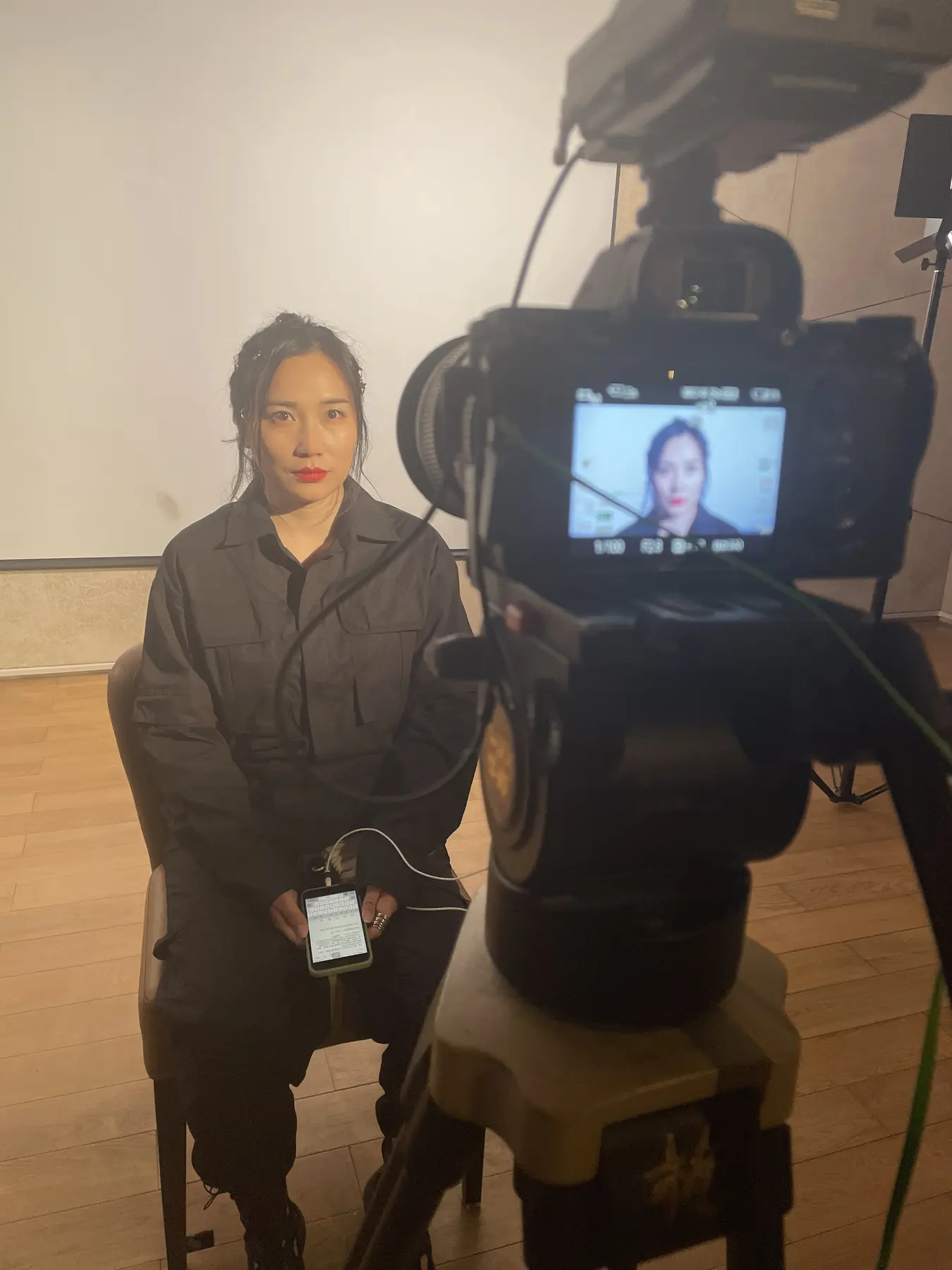
Wu Qian behind the camera
03 / RELATED RESEARCH IMAGE / 关联研究图像Wu Qian behind the camera镜头与见证

The visible recording apparatus prevents the field image from pretending to be an unmediated encounter.

可见的记录装置阻止田野图像把相遇伪装成未经媒介化的真实。

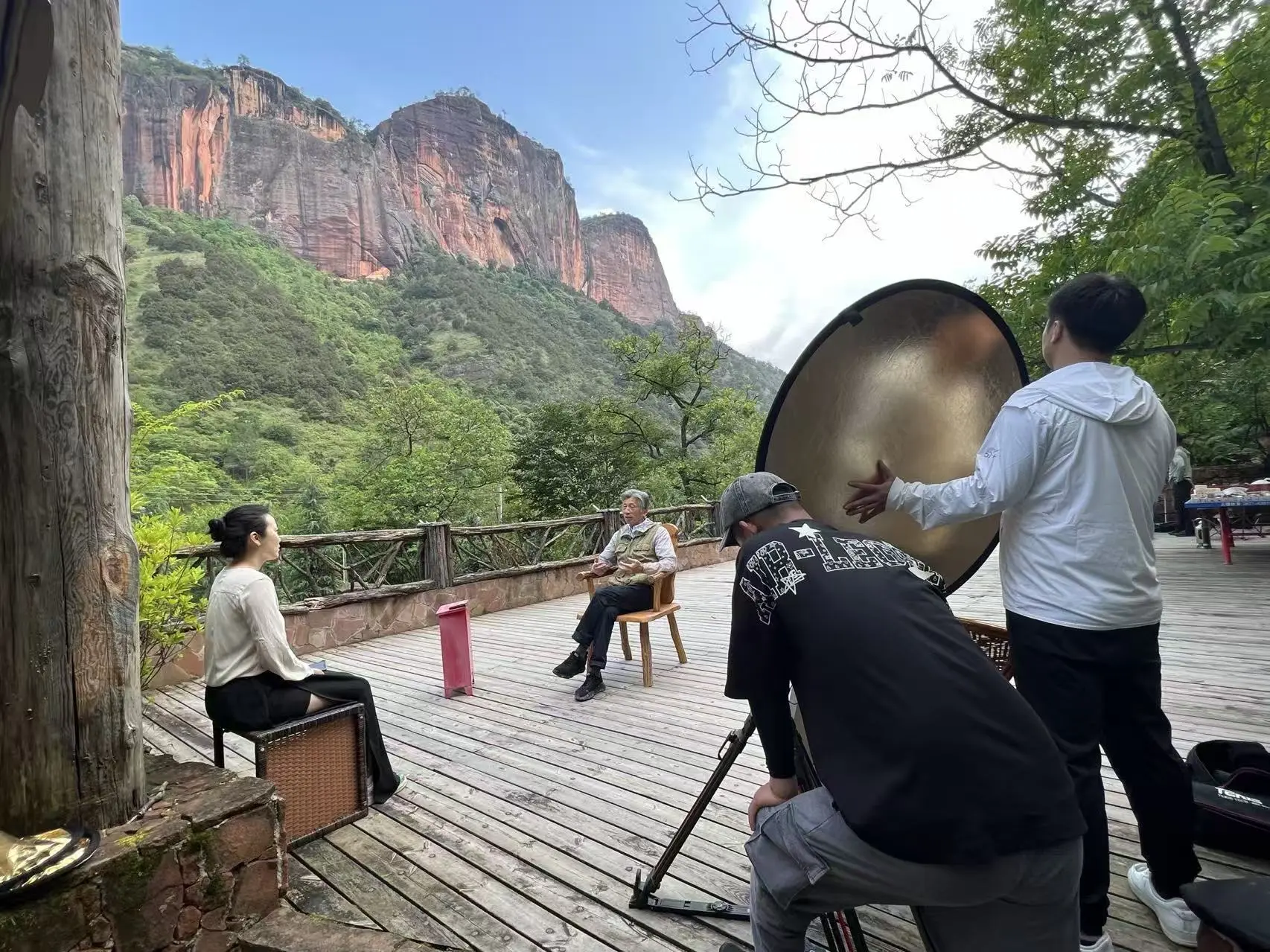
Location-production record in a mountain landscape
04 / RELATED RESEARCH IMAGE / 关联研究图像Location-production record in a mountain landscape田野制作 / 01

Camera placement and terrain show that access and technical position are part of what the image can know.

镜头位置与地形说明:进入条件与技术位置共同决定图像能够知道什么。

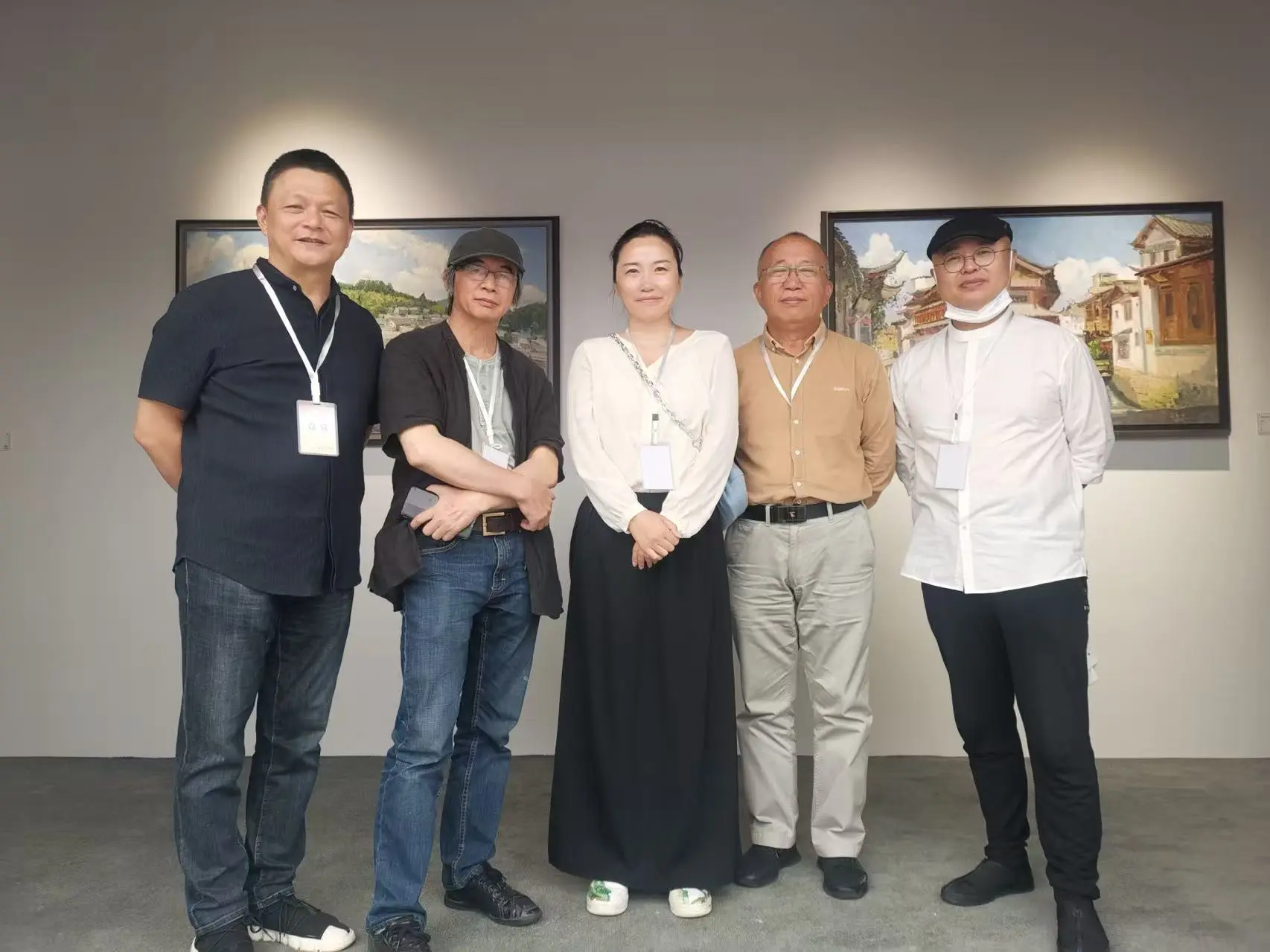
Exhibition network
05 / RELATED RESEARCH IMAGE / 关联研究图像Exhibition network展览关系

The group and the painted landscape occupy one visual field, allowing social presence to become part of exhibition meaning.

人物群体与绘画景观处于同一视觉场,使社会性在场成为展览意义的一部分。

HOW WE READ / 我们如何阅读

We read eight records as an image sequence, following the face through speed, anxiety, visual impact and the demand to become instantly legible.

我们把八条资料作为一组图像序列来阅读,追随面孔穿过速度、焦虑、视觉冲击与即时可读的要求。

01

A face condenses an era

面孔凝缩时代

The central caption asks what face belongs to a rapidly iterating era. Its value lies in the impossibility of a single answer. Posture, styling, image resolution, circulation and the expectation of instant recognition all participate in the face. Portraiture becomes a study of social production: how an era teaches bodies to appear and viewers to decide what they see.

核心文案追问快速迭代时代拥有怎样的面孔,其价值正在于单一答案的不可能。姿态、造型、图像分辨率、传播方式与即时识别期待共同参与面孔生产。肖像由此成为社会生产研究:一个时代如何教身体显现,又如何教观看者决定自己看见什么。

FILMS + CONVERSATIONS / 相关影像与对话MJ-01
02

There is no pure image

不存在纯图像

The promise of a 'simple image' appears beside an exaggerated visual act. This juxtaposition exposes a contradiction. An image never arrives without genre, platform expectation or learned attention. Shock may remove explanatory text, yet it immediately installs another code: speed, extremity and shareability. The question is not how to purify the image, but how to disclose the conditions that organise its force.

“单纯图像”的承诺与夸张视觉行为并置,暴露一个矛盾:图像从不会脱离类型、平台期待与习得注意而到来。冲击可以去除说明文字,却立即安装另一套编码——速度、极端与可分享性。问题不是如何净化图像,而是如何揭示组织其力量的条件。

FILMS + CONVERSATIONS / 相关影像与对话MJ-02
03

Boredom can become a performance

无聊能够变成表演

The caption describing people performing and consuming boredom is central to WU—LIAO's self-critique. A project devoted to boredom is never outside the attention economy it questions. Naming boredom can open a reflective interval, but it can also package the interval as content. The archive must therefore reveal its own framing instead of presenting research as unmediated authenticity.

关于人们表演并消费无聊的文案,是“无不吴聊”自我批判的关键。以无聊为对象的项目从不位于它所质疑的注意力经济之外。命名无聊能够打开反思间隙,也可能把间隙包装成内容。因此,档案必须暴露自身框架,而不能把研究呈现为未经媒介化的真实。

FILMS + CONVERSATIONS / 相关影像与对话MJ-02
04

Anxiety is synchronised time

焦虑是被同步的时间

The sequence links choice, collision and the demand for synchronised pace. More options do not necessarily produce freedom when each option must be evaluated at platform speed. Anxiety becomes the felt surface of temporal coordination. To 'dissolve' it cannot mean individual calm alone; it requires loosening the systems that punish unsynchronised attention.

该系列把选择、碰撞与同步速度要求连接起来。当每个选项都必须以平台速度评估时,更多选择并不必然产生自由。焦虑成为时间协调的感受表面;“消解焦虑”不能只意味着个人平静,也需要松动惩罚非同步注意的系统。

FILMS + CONVERSATIONS / 相关影像与对话MJ-03
05

The future face must remain multiple

未来的脸必须保持复数

The captions imagine a future face with enough information for many people to find an image of themselves. This can describe multiplicity, or it can produce a universal mask. Our archival method keeps the face connected to specific dates, questions and circulation contexts. Specificity prevents condensation from becoming representation and lets the portrait remain an encounter rather than a verdict on an era.

文案想象一张信息量足够大的未来面孔,让许多人都能找到自己的影子。它可以描述多样性,也可能制造普遍面具。我们的档案方法让面孔持续连接具体日期、问题与传播语境;具体性防止凝缩变成代表,并让肖像保持为相遇,而不是对时代的判决。

FILMS + CONVERSATIONS / 相关影像与对话MJ-01MJ-03
FILMS + CONVERSATIONS / 影像与对话

Material behind this paper

这篇文章所使用的影像与对话

RELATED READING / 延伸阅读

Books and essays we place beside the conversation

我们与这组对话并置阅读的书与文章

  1. 01
    Image, Face and Platform / 图像、面孔与平台Hito Steyerl, Duty Free Art, Verso, 2017.

    Examines circulation, institutional power and images operating beyond stable locations.

    检视流通、制度权力与脱离稳定地点运作的图像。

  2. 02
    Image, Face and Platform / 图像、面孔与平台Lev Manovich, The Language of New Media, MIT Press, 2001.

    Provides a vocabulary for interface, database, modularity and computational image culture.

    为界面、数据库、模块化与计算图像文化提供词汇。

  3. 03
    Image, Face and Platform / 图像、面孔与平台W. J. T. Mitchell, What Do Pictures Want?, University of Chicago Press, 2005.

    Treats images as active social relations rather than passive carriers of meaning.

    把图像理解为活跃社会关系,而非被动意义载体。

  4. 04
    Image, Face and Platform / 图像、面孔与平台Ariella Aïsha Azoulay, The Civil Contract of Photography, Zone Books, 2008.

    Frames photography as a political relation among photographed people, photographers and viewers.

    把摄影理解为被摄者、拍摄者与观看者之间的政治关系。

  5. 05
    Image, Face and Platform / 图像、面孔与平台Jonathan Crary, Techniques of the Observer, MIT Press, 1990.

    Historicises the observer as produced through technologies and institutions of vision.

    把观察者放回视觉技术与制度的历史生成过程。

  6. 06
    Boredom, Attention and Time / 无聊、注意与时间Henri Lefebvre, Rhythmanalysis, Continuum, 2004.

    Offers rhythm as a method for reading bodies, repetition and everyday space.

    以节奏为方法阅读身体、重复与日常空间。

  7. 07
    Boredom, Attention and Time / 无聊、注意与时间Jonathan Crary, 24/7: Late Capitalism and the Ends of Sleep, Verso, 2013.

    Critiques continuous attention economies and the erosion of nonproductive time.

    批判持续运转的注意力经济与非生产性时间的消退。

  8. 08
    Boredom, Attention and Time / 无聊、注意与时间Siegfried Kracauer, The Mass Ornament, Harvard University Press, 1995.

    Connects distraction, entertainment and the organisation of modern collective life.

    连接分心、娱乐与现代集体生活的组织。

  9. 09
    Boredom, Attention and Time / 无聊、注意与时间Hartmut Rosa, Resonance, Polity, 2019.

    Frames alienation and resonance as different modes of relation to the world.

    把异化与共鸣理解为两种不同的世界关系模式。

  10. 10
    Conversation and Public Knowledge / 对话与公共知识Grant H. Kester, Conversation Pieces: Community and Communication in Modern Art, University of California Press, 2013.

    Establishes dialogical art as a practice of listening and negotiated meaning.

    把对话性艺术理解为倾听与协商意义的实践。

  11. 11
    Conversation and Public Knowledge / 对话与公共知识Claire Bishop, Artificial Hells: Participatory Art and the Politics of Spectatorship, Verso, 2012.

    Complicates the assumption that participation is automatically emancipatory.

    质疑参与天然具有解放性的假设。

  12. 12
    Conversation and Public Knowledge / 对话与公共知识Trinh T. Minh-ha, Elsewhere, Within Here: Immigration, Refugeeism and the Boundary Event, Routledge, 2011.

    Supports a speaking-nearby method that resists converting another person into transparent information.

    支持“在旁言说”的方法,避免把他者转化为透明信息。